WASH and Period Health: Clean Water, Clean Toilet and Dignity for Every Period for Nigeria
Where pipo don see us







 Margaret Ochegbudu don check am · Update 29 min to read
WASH mean water, sanitation and hygiene. If clean water no dey to wash, if private toilet wey get lock no dey, and if safe way to throw away used pad no dey, to manage period go turn health risk, no be normal part of life again. Na WASH gaps, no be say pad no dey, dey keep plenty Nigerian girls away from school.
Why To Wash Well Matter for Your Health and Your Pocket
WASH mean Water, Sanitation and Hygiene. Dis three things na di foundation to manage your period safe, with comfort and with dignity. If good WASH facilities no dey, period go turn health risk and something wey dey bring shame, instead of normal part of life.
Main Points:
- WASH facilities include clean water, private toilet, place to wash hand, and correct way to throw away waste – all of dem important for period hygiene.
- For Nigeria, 70% of schools no get correct WASH facilities for period, and dis one dey force girls to miss 3-5 school days every month, according to UNICEF Nigeria 2025 data.
- Poor WASH during period dey raise di risk of reproductive tract infection by 50-70%, compared to when person dey manage am with good hygiene.
- Pad wey you fit wash use again dey reduce WASH wahala because na only soap and water e need, and every month e dey cost 60-80% less than disposable pad for Nigerian markets.
- Nigerian girls need four basic WASH things: 500ml clean water to wash, private place wey get lock, soap for hygiene, and safe place to dry.
- Schools for Lagos, Kano and Abuja wey improve dia WASH facilities report say di number of female students wey dey miss school because of period don drop by 25-40%.
- When community improve WASH, di whole house dey benefit, especially women wey dey manage period for demself and for dia daughters inside bathroom wey everybody dey share.
Make we look well well how WASH facilities dey affect period health, and which solutions dey really work for Nigeria’s own situation.
Fatima still remember di day wey she stop to dey go school during her period. Di 15-year-old girl from Kaduna go wake up early, waka 20 minutes go Government Secondary School, just to face choice wey no girl suppose face: use di broken toilet wey no get running water and no get door, or skip school for five days every month. Di school get four toilets for 800 students. Na only one dey work. Water no dey to wash her hand, no private place to change her pad, no bin to throw am away well. By her second year, she dey stay house one week every month. Fatima’s grades fall. Her confidence disappear. No be only her. Across Nigeria, millions of girls dey face di same thing, where lack of basic water, sanitation and hygiene facilities – wetin experts dey call WASH – dey turn natural body process to something wey dey block education, health and dignity.
How WASH and Period Health Connect
Di link between WASH and period health pass just to get water to wash. When WASH facilities no good or dem no dey at all, period go change from body process wey person fit manage to monthly wahala wey dey affect body health, mind, education, and how woman fit work and make money.
Think of WASH like di foundation of house. If di foundation no strong, everything wey you build on top no go stand well. Same way, without correct water, sanitation and hygiene facilities, all di period products for di world no fit give woman period wey get real dignity.
Why Clean Water Matter for Period
Water na di main thing for period hygiene. Whether you dey use disposable pad, pad wey you fit wash use again, tampon or menstrual cup, you need clean water many times during your period. You need water to wash your hand before and after you change your pad or product. You need water to clean your body. If you dey use pad wey you fit wash use again like Sana Pads, you need water to wash dem well.
For plenty Nigerian communities, especially for village and for poor informal areas for town, water scarcity na everyday matter. Women dey wake up 4am to join line for borehole. For informal settlements for Lagos, 25-litre jerry can of water dey cost ₦50-100, depending on how water scarce. For dry season or when NEPA take light wey dey run water pump, di price dey double. When water cost reach like dis, to use am manage period go turn luxury wey some families no fit afford.
How clean di water be matter as much as how much water dey. If you use dirty water wash your body or wash pad wey you fit wash use again, e fit carry bacteria wey dey cause infection. Reproductive tract infection, urinary tract infection and fungal infection dey common pass for women wey no get clean water during period. Study wey Nigerian Institute of Medical Research do for 2024 find say women for areas wey water no clean get 2.3 times more chance to get reproductive health problems, compared to women wey get clean water.
Toilet Facilities and Dignity for Your Period
Sanitation mean say you get clean, private toilet where you fit change your pad safe. E sound like basic thing, but for Nigeria e never reach everybody. According to WaterAid Nigeria’s 2025 report, na only 38% of Nigerian schools get separate toilets for boys and girls wey get lock wey dey work. Plenty toilets no even get door. Some dirty or spoil reach di level wey students no gree use dem.
Imagine say you wan change your pad inside toilet wey no get door while boys dey waka pass. Imagine say you squat for pit latrine wey no get light, you dey balance well so your pad or phone no go fall inside di pit. Imagine say bin no dey to throw your used pad, so you must wrap am for newspaper carry am go back inside your school bag. Na dis be millions of Nigerian schoolgirls’ everyday life.
When correct sanitation facilities no dey, no be only discomfort e dey cause. E dey bring real health risk. When girls no fit change pad as often as dem suppose, because safe place no dey to do am, dem dey wear pad pass di time wey dem recommend. When blood touch di girl’s skin for long time like dis, e dey make di place warm and wet, and bacteria dey like dat kind place. E dey increase di risk of skin irritation, rash and infection. For serious cases, too much bacteria fit cause toxic shock syndrome, but dis one rare.
Toilet for period need some special things. E need door wey di user fit lock from inside, so she get privacy. E need enough light so she fit see wetin she dey do. E need hook to hang di user’s bag while she dey change. E need bin wey get cover to throw used pad. E need to dey near so she fit reach am quick when she need am, but for place where other pipo no go see di girl’s movement as she dey enter or comot. Dis small small details matter well well for every girl’s confidence say she fit manage her period for school or for work.
Hygiene Habits and How To Prevent Infection
Good hygiene during period dey protect your reproductive health. Di main rule simple: keep your vagina area clean and stop bacteria from entering your body. But to do am, you need some WASH things wey plenty Nigerian women no get.
Correct period hygiene mean say you wash your hand with soap and clean water before you change your pad. E mean say you wash your vulva (di outside part of your private part) with clean water at least twice a day during your period. E mean say you change your pad every 4-6 hours, or before dat time if e don full. E mean say you wash pad wey you fit wash use again well with soap and water, then dry am finish for sunlight before you use am again.
Each of dis habits need WASH facilities. You need place to wash hand wey get soap near di toilet. You need enough water so you fit baff during your period without guilt say you dey use too much water. You need private place outside where pad wey you fit wash use again fit dry for direct sunlight without neighbours or men for di family dey see am. For big family houses where many generations dey live together, wey common for Nigeria, to find dis kind private place to dry pad na big wahala.
Di hygiene gap worse well well for northern Nigeria, where culture and religion add more things to consider. Women must balance period hygiene with di need to cover up and dey modest. Dem need to wash and dry pad quietly. Dem need to throw away used products for way wey agree with wetin dia religion teach about cleanliness. When WASH facilities no consider di women’s culture needs, women dey find other ways wey fit spoil dia health.
How Bad WASH Facilities Dey Affect Women During Period
Di way bad WASH facilities dey affect women and girls wey dey see period dey show for three areas wey join each other: education, health, and work and money. To understand dis effects go help you see why to improve WASH no be only about building, but about equality between men and women and about human rights.
How WASH Gaps Dey Block Education
To miss school during period na one of di consequences of bad WASH wey dem don study pass. When schools no get private toilet, clean water and place to throw pad, girls go think am well: to stay house safe and better pass to face di shame of managing period for school.
Di numbers show am clear. Research wey Nigerian Educational Research and Development Council do for 2024 find say girls for schools wey get correct WASH facilities for period attend school 23 days more every year on average, compared to girls for schools wey no get am. For five years of secondary school, dat na 115 school days wey dem miss – almost di whole of full academic year wey lost.
Di learning wey dem lose pass just attendance. Even when girls go school during period and WASH facilities no good, dem no fit concentrate. Dem dey fear say e go leak. Dem dey count how long since dem change pad and whether dem fit wait reach house. Dem dey check dia cloth for stain. Dem dey drink small water so dem no go need toilet. All dis worry no leave space for di girl’s mind to learn mathematics or English.
Teachers for Abuja, Kano and Port Harcourt report say girls’ participation dey drop well well for some weeks. Girls wey dey usually raise hand and answer question go quiet. Dem dey sit for back. Dem no wan stand up when teacher call dem go board. Dis monthly pattern wey dem dey withdraw from class dey add up to big disadvantage for dia education.
Health Wahala Wey Dey Come When You Manage Period Without WASH
Di health wahala wey bad period WASH dey cause start with infection, but e pass dat one. Reproductive tract infection na di one wey common pass and wey dem don study pass. When women no fit wash hand before dem change pad, no fit clean dia body well, or must use dirty cloth again because dem no get water to wash am, bacteria dey enter reproductive tract.
Signs of reproductive tract infection include discharge wey no normal, itching, burning when you dey urinate, pain for lower belle, and pain during sex. If you no treat am, dis infections fit cause pelvic inflammatory disease, wey fit lead to pain wey no dey go and infertility. Study wey Nigerian Journal of Clinical Practice publish for 2025 find say 34% of women for communities wey no get good WASH report signs wey match reproductive tract infection, compared to 12% for communities wey get correct WASH facilities.
Urinary tract infection na another common problem when period hygiene no good. Plenty girls dey refuse to drink water during period on purpose so dem no go use school toilet wey no good. Dis one dey make urine strong and e dey increase UTI risk. Di fear of changing pad for dirty toilet also make some girls dey hold urine, and dat one dey give bacteria chance to multiply for bladder.
Apart from infection, bad period WASH dey cause skin problems like rash, irritation and fungal infection for private part. Blood, sweat and rubbing together for Nigeria’s hot, humid weather dey create perfect condition for skin to spoil. When women no fit baff well or change pad often, dis skin problems go worse.
Mental health matter di same way. Di stress, worry and shame wey come with managing period without correct WASH facilities dey affect di mind. Girls talk say dem dey feel dirty, shame and worry during period. Some dey get social anxiety or depression wey join with period. Dis burden for mind dey affect how dem value demself, dia relationship with pipo, and dia general wellbeing, and e dey last even after di period don finish.
How E Dey Block Work, Money and Social Life
Di money wey bad period WASH dey cost no dey always show for Nigeria’s official statistics, but e big well well. Women wey dey work for market, farm, office or factory dey face di same wahala as schoolgirls: where you go change your pad when clean toilet no dey? How you go manage your period when running water no dey?
Plenty women dey solve dis problem by staying house during period, especially for heavy flow days. Market women for Lagos and Kano talk say dem dey lose 3-5 trading days every month because market toilets no fit use and private place no dey to change pad. Farm women dey arrange dia work around dia period, dem no dey plant or harvest for heavy flow days. Factory workers dey use sick leave or leave wey no get pay to cover period days when di workplace’s WASH facilities no good.
Di money wey dem lose dey add up. Woman wey miss four working days every month dey lose about 20% of di days wey she for work every year. For women wey dey collect daily pay or wey depend on daily sales, dis one mean 20% less money for di woman’s pocket. For country where plenty families dey live near poverty line, dis reduction fit decide whether di family’s children go school or drop out, whether dem go chop good food or hunger.
Social life dey suffer too. Women dey avoid religious gatherings, community meetings and social events during period when dem no fit get correct WASH facilities. Dis withdrawal from community life dey reduce women’s voice for decision making, and e dey make di isolation and shame around period strong pass.
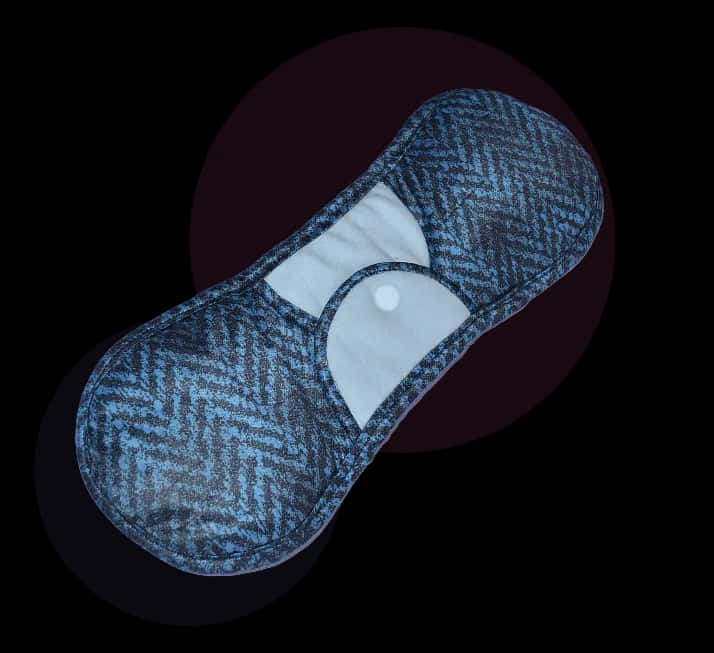
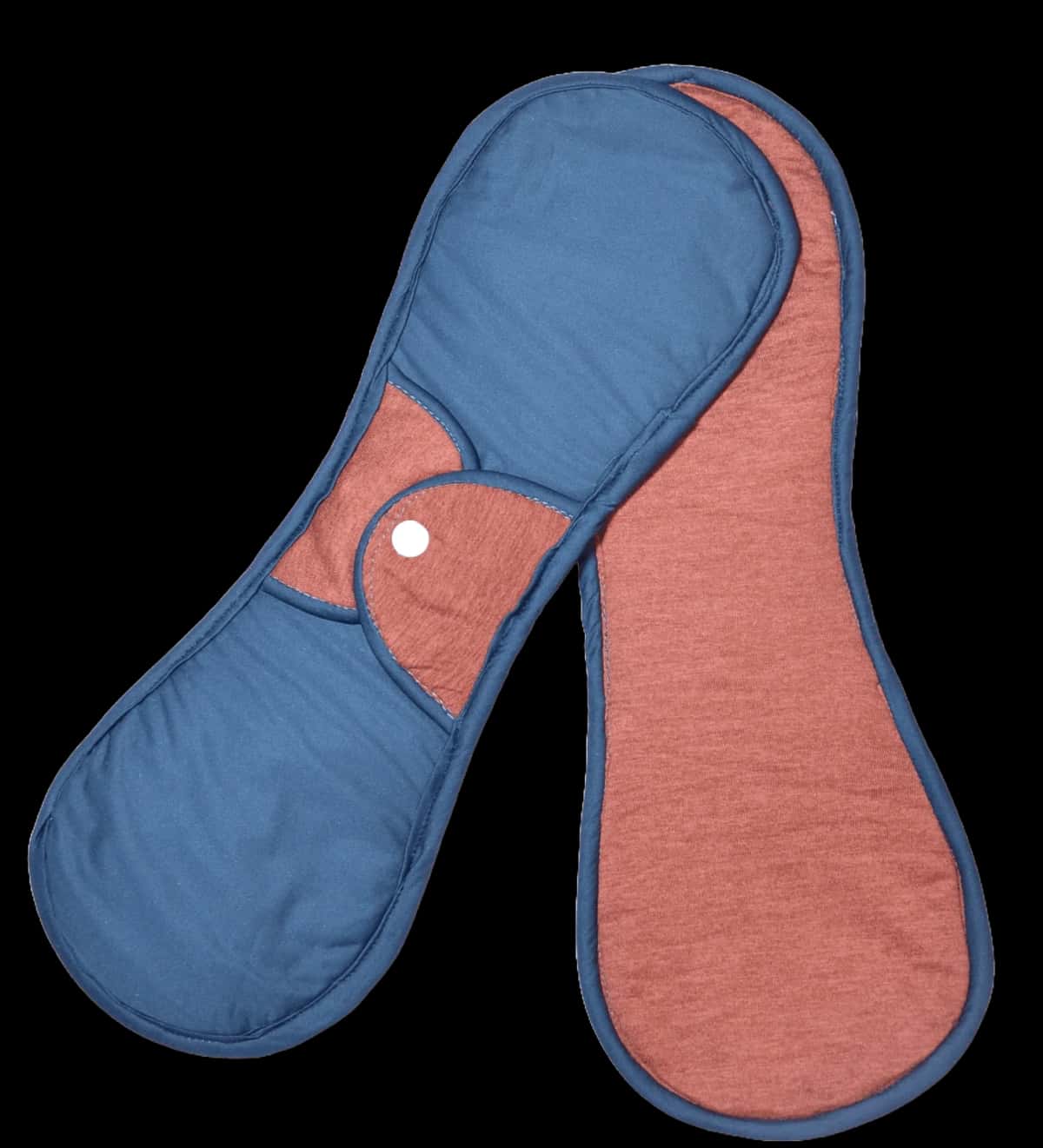
Our pads wey you fit wash

Di WASH Things Wey Period Dignity Need
To build WASH facilities wey really support period health need some special parts. When communities, schools and organisations sabi wetin dem need, dem go fit decide where each project’s money suppose go first, and design facilities wey really meet women’s needs.
Water Wey You Need: How Much and How Clean
Di quantity of water wey person need for period hygiene depend on di type of product wey she dey use and her own situation, but some general guide fit help for planning. For women wey dey use disposable pad, di water wey dem need every day during period na about 2-3 litres to baff, 1-2 litres to wash hand for di whole day, plus extra water to clean toilet area if e need am. All join, na about 3-5 litres on top di normal water wey she dey use every day.
For women wey dey use pad wey you fit wash use again like Sana Pads, add another 1-2 litres every day to wash di pads. One Sana Pad need about 500ml water to wash am well – first rinse am for cold water to remove blood, then wash am with soap, then rinse am last time. Women dey usually use 3-4 pads every day during period, so to wash dem need 1.5-2 litres total.
How clean di water be matter as much as di quantity. Water wey you dey use wash body and pad suppose clean reach level wey e no go carry bacteria or parasites enter di woman’s body. Dis mean water from protected sources: borehole, treated pipe water, or protected well. Water from river, pond or open well dey often get bacteria wey fit cause infection if you use am wash your private part.
For Nigerian communities where water scarce, to collect rain water na practical extra source, especially for hygiene. Simple rain water system wey get gutter wey dey carry water from di house’s roof enter drum wey get cover fit give hundreds of litres for rainy season. Dis water fit no good to drink if you no treat am, but e dey very good to wash pad and baff.
Toilets Wey Dem Design for Period
Toilet wey good for period need some special things apart from basic sanitation. Privacy na di first thing – wall wey go from floor reach ceiling, door wey lock well from inside, and position wey no go make pipo see you when you dey enter or comot. Plenty school toilets for Nigeria get half door or space for down wey dey spoil privacy.
Light na something wey pipo dey often forget, but e important well well. Plenty Nigerian schools and public places get toilets wey no get window and no get electric light. To manage period for full darkness hard and e no clean. Solar light na practical solution where di country’s public light no dey reliable.
Di toilet need small shelf or hook where you fit put your bag and clean pad while you dey change. E need bin wey get cover to throw used pad – cover to control smell and stop animals from scattering am. Di bin suppose dey within your arm’s reach, so you no go waka across di toilet with used pad for hand.
Place to wash hand must dey just outside di toilet – no be for di other side of compound where you go waka pass public place with hand wey you never wash. Di handwashing place need soap, no be only water. Bar soap okay, but liquid soap for dispenser clean pass. Small mirror near di handwashing place go help women check dia cloth for stain before dem go back to class or work.
For facilities wey dey serve pipo wey dey see period, separate toilets for boys and girls na must. Toilet wey everybody dey share dey bring fear and privacy wahala wey make period management very stressful. Di recommended ratio na one toilet for every 25 girls for school, for place wey girls fit reach easily from di girls’ classrooms.
Hygiene Supplies and Safe Way To Throw Away Pad
Even if di toilet perfect, e no go support period health if di important supplies no dey. Schools and workplaces wey really support period dey make sure say soap, toilet paper, and bag or bin for disposal dey always.
Soap na must to wash hand before and after you change pad. But plenty Nigerian schools get toilet without anything to wash hand, dem dey expect students to bring dia own. Dis one mean say girls from poor families no fit keep correct hygiene even when facilities dey.
Disposal system need careful design, especially where nobody dey carry waste regularly. Incinerator na di disposal method wey good pass for environment for used disposable pad, but e need money to build and pipo to manage am. Some Nigerian schools don successfully build simple incinerator from oil drum with grate and chimney – total cost under ₦25,000, but somebody must supervise di burning every week.
Where incinerator no possible, pit na another option. Pit wey dem dig only for period waste, separate from other waste and wey dem cover well, dey stop di pollution and animal wahala wey dey come when pipo throw pad for normal dustbin. But pit disposal fit cause worry say e go pollute underground water for areas where di water dey near di ground’s surface.
Di solution wey go last pass na to reduce waste through product wey you fit use again. Women wey dey use Sana Pads no dey produce waste wey dem need throw away – dem dey wash di pads use again for 2-3 years. Dis one remove di whole disposal wahala, and e still reduce WASH burden, because women fit wash di pads for house where water and privacy dey pass for public facilities.
Wetin Better WASH Go Do for Period Health
To put money for WASH facilities wey support period go bring benefits wey pass just to make period comfortable. Di returns – for education, health, money and social life – show say period WASH suppose dey first for development planning.
Wetin E Go Do for Education and Money
Di education benefit of period WASH improvement dey show quick for attendance data. Schools across Nigeria wey don build WASH facilities wey good for period report say girls’ attendance increase for way wey dem fit measure, within di first term. Programme for Kaduna State wey improve WASH facilities for 30 secondary schools find say female attendance during period increase by 35% for di first year.
When girls attend more, dem dey learn better. Girls wey no dey miss school for whole week every month dey follow di curriculum easier. Dem no dey face di stress of catching up with di class’s lessons wey dem miss. Di girl’s exam result dey better. Long studies from Kenya and Uganda show say girls wey get correct period WASH facilities for di whole secondary school get more chance to finish school and score higher for final exams.
Di money benefit dey follow women’s whole working life. Women wey finish more school dey earn more. Dem get more chance to work for formal jobs wey get better condition and benefits. Dem get more money security and independence. Research by African Development Bank estimate say to keep girls for school through better WASH and period health management fit increase Nigeria’s GDP by 1.2-1.8% over 20 years, because more women go work and produce more.
For now now, working women wey get correct period WASH facilities dey lose fewer working days. Pilot programme wey provide toilets wey good for period for textile factories for Kano find say female workers’ absenteeism drop by 28% and productivity increase by 15% for sections wey get better facilities. Workers talk say dem dey feel more comfortable, dem no dey stress like before, and dem fit concentrate for dia work well.
Better Health and Wellbeing
Di health benefit of correct period WASH big and dem don document am well. Infection dey reduce quick when women fit practice good period hygiene. Community health programme for Rivers State wey join WASH improvement with period health education see say di reproductive tract infection signs wey women report reduce by 43% over 18 months.
To prevent infection matter pass comfort for now. Reproductive tract infection wey nobody treat fit cause pelvic inflammatory disease, wey fit lead to pain wey no dey go, risk of ectopic pregnancy, and infertility. Young women wey dey get infection again and again during teenage years fit get problem to get pikin later. To protect reproductive health during period years dey protect women’s future choice about pikin and dia wellbeing.
Mental health benefit fit important as well, even though e hard to measure. Girls and women talk say dem feel big relief for mind when dem get correct period WASH facilities. Di constant worry about leak, smell and stain dey reduce. Di shame wey dey around period dey reduce when person fit manage am clean and private. Confidence during period dey improve.
Schools for Lagos wey improve period WASH facilities and give period health education report say girls look more confident and dem join sports and other activities more during period. Teachers notice say teasing and stigma around period reduce when girls fit manage am clean. Di way pipo see period change from shame and silence to something normal wey pipo accept.
Benefit for Environment and Community
WASH improvement for period dey benefit di whole community, no be only pipo wey dey see period. When schools build better water and toilet facilities for girls, boys too dey enjoy di better facilities. When communities put money for water system to support period hygiene, everybody for di area dey get cleaner water wey plenty.
Di environment benefit mainly come through support for period products wey you fit use again. Disposable pad dey produce plenty waste – woman wey use disposable for all her reproductive years dey produce about 125-150kg of period waste. For Nigeria, where waste management no good, most of dis waste dey end up for gutter, river and stream, or dem burn am for open fire wey dey release poison smoke.
Pad wey you fit wash use again like Sana Pads dey remove dis waste completely. But reusable products fit only work when WASH facilities support dem. Women need clean water to wash pad, private place to dry am, and soap for correct hygiene. When pipo put money for WASH facilities, di environment go fit enjoy di benefit of reusable period products.
Communities wey handle period WASH together dey build unity and fight stigma. When schools hold community meeting to plan WASH improvement, period go move from private shame to public health priority. Fathers and brothers wey join build toilets wey good for period dey understand needs wey dem never think about before. Dis change for culture, wey see period as normal thing wey deserve support, dey spread reach every part of community life.
Common Worries About WASH and Period Health for Nigeria
To improve period WASH sound easy for theory, but to do am get real obstacles for Nigeria. When we talk true about dis challenges, e go help us find practical solutions instead of foreign approach wey no go work here.
Wahala of Water Scarcity and Cost
Di biggest challenge be say plenty Nigerian communities no get enough water for basic needs, talk less of extra water for period hygiene. Especially for northern Nigeria, water scarcity dey very bad for dry season. Families dey put water for drinking and cooking first before water for hygiene. To add period hygiene needs dey feel impossible when di water wey dey no even reach to survive.
Dis challenge need solution wey get many layers, no be simple answer. First, when pipo dey push for better water facilities, dem must include period hygiene needs clear clear for di planning. When communities ask for borehole or water system, di calculation of how much water dem need suppose include hygiene use, plus period. Dis one go make sure say di system big enough from di start.
Second, rain water collection fit give extra water specially for hygiene for many areas. Schools and houses fit put simple gutter wey go carry water from di building’s roof enter storage drum for rainy season. Dis water, wey pipo go use only to wash and clean, go reduce pressure on drinking water.
Third, period products wey you fit use again like Sana Pads dey reduce di water wey you need, compared to when you dey baff many times to handle leak and smell from disposable pad. One Sana Pad wey you wash once a day dey use less water than many baths to feel clean when you dey use low-quality disposable. Women for areas wey water scarce talk say reusable pads really reduce each woman’s total water wey she dey use to manage period.
Fourth, water price and access policies must recognise period hygiene. Some Nigerian communities dey give free or cheap water specially for school sanitation and hygiene. To extend dis programmes so girls fit get water for period hygiene without cost wahala na policy choice wey no need new building work.
Respect for Culture Around Period and WASH
Di silence and taboo around period for plenty Nigerian communities dey block improvement for period WASH. Families no wan talk about period for public. Men no dey comfortable to join plan facilities for period. Dem dey teach girls say period na shame and dem must hide am. Dis culture make am hard to push for di resources and facilities wey period health need.
To break dis silence need approach wey respect culture, modesty and privacy, but still bring period needs inside public planning. Religious and community leaders get big role. When imams and pastors talk say period na natural process wey God create, and say to provide facilities for hygiene na religious duty, communities dey open dia mind more.
Advocacy wey women lead dey often work where approach wey mix men and women fail. When mothers come together to ask for school WASH improvement for dia daughters, di mothers’ advocacy get respect for culture wey outside NGOs no get. Parent-teacher associations na structure wey don already dey where dis conversations fit happen.
Design choice fit also respect culture. To put period WASH facilities far from main road, so girls no feel say everybody’s eye dey on dem when dem dey go there, dey respect privacy. To provide drying place wey get cover, where pad fit dry for sunlight but passersby’ eyes no go see am, dey respect modesty. To provide storage place where girls fit keep emergency supplies privately for school dey reduce worry.
Di way you teach matter well well. Period health education wey explain period inside culture and religion, instead of to fight dem, no dey face plenty resistance. To explain say correct hygiene na religious requirement, say God create women’s body like dis on purpose, and say shame no suppose dey, dey help change mind while e dey work with wetin pipo already believe, no be against am.
How To Maintain WASH Facilities Make Dem Last
Sadly, broken WASH facilities dey everywhere for Nigeria – borehole wey no dey work, toilet wey don collapse, handwashing place wey no get water. Building project wey dem do once without plan for maintenance dey fail quick. Dis history dey make pipo no trust new WASH projects, and e dey waste di small resources wey dey.
Period WASH wey go last need plan for maintenance from di beginning. Schools need budget for soap, toilet paper, bin liner and repair. Without dis budget, even facilities wey dem design well go spoil within months. Parent contribution, school fees or government money must get specific line for WASH maintenance inside each school’s budget.
When community own di project, e dey last. When schools form WASH committee wey include students, teachers and parents, with clear duty to watch and maintain di facilities, dem dey solve problems before dem turn crisis. Student WASH clubs dey give young pipo chance to lead, and dem dey make sure say students care to keep facilities clean and working.
Simple technology wey local pipo fit repair dey last pass complex system from abroad. Toilet wey local masons build with local materials, di same masons fit repair am when problem come. Solar light remove dependence on public light wey no dey reliable. Handwashing station wey be simple drum with tap, pipo fit fill am and maintain am without special skill.
Regular check and quick repair dey stop small problem from turning big one. Tap wey dey drip go turn broken pipe wey flood di toilet block if you ignore am. Door lock wey dey hook go later break finish, and privacy go disappear. Monthly check with simple checklist and quick action when problem show dey keep facilities working.
Why Sana Pads Dey Support Period Health Beyond WASH Facilities
For Sana Pads, we sabi say period health need both correct WASH facilities and correct period products. We design our pads wey you fit wash use again specially to reduce WASH burden for Nigerian women, and still give comfortable period protection wey you fit trust.
Compared to disposable pad, pad wey you fit wash use again dey reduce how much you depend on big WASH facilities. Women fit wash Sana Pads for house with small water, instead of to dey change disposable pad again and again for public toilet. Dis one give women more control over each woman’s period management, especially for schools and workplaces wey no get correct WASH facilities.
Na right here for Nigeria we dey make our pads, by women wey understand di weather, di infrastructure wahala and di culture. We design dem to dry quick for humid weather. We use materials wey dey wash clean even with ordinary soap and Nigeria’s common hard water. We dey test our pads with real Nigerian women for real Nigerian conditions, no be for European laboratory.
Apart from products, we don commit to push period health facilities forward for Nigeria. We don support more than 10,000 women directly through product donations, education programmes and advocacy. We don share more than 30,000 pads to schools, IDP camps and communities wey no get good WASH. We dey work with schools and NGOs to improve not only access to period products but also di WASH facilities wey make period with dignity possible.
Sana Pads’ approach know say to end period poverty need both products and facilities. We dey push for better school WASH facilities, and we dey still provide pads wey you fit wash use again wey reduce WASH burden. We dey teach girls about correct period hygiene, and we dey still push for di water and sanitation systems wey make dat hygiene possible. We believe say no Nigerian girl suppose choose between her education and her period.
Make We Act for Better Period WASH
To improve WASH for period health need action from each person, from organisations and from communities. Whether you be parent wey care, teacher, NGO worker or government official, you fit take real steps for better period WASH for your own area’s situation.
For Each Person and Family
Start by checking WASH for your own house for period health. Una get enough clean water for period hygiene? Private place to baff dey? Your daughters fit wash and dry dia period products without pipo seeing? When you see di gaps for your own house, e go help you understand wetin other families dey face and which improvement matter pass.
Think about switching to period products wey you fit use again like Sana Pads, to reduce both cost and WASH burden. 3-pack of our Premium Pads cost ₦4,000 – everything girl need to start to manage her period for way wey go last. Premium Pads get 1 layer wey no dey leak plus 3 layers wey dey absorb, good for normal flow days. For heavy flow, our Maxi Pads with 5 layers wey dey absorb dey give maximum protection and confidence. Compared to disposable pads wey dey cost ₦200-400 every month for Nigerian markets, Sana Pads wey you fit wash use again dey usually cheap pass by 60-80% for di 2-3 years wey dem dey last.
Talk open with your daughters about period and hygiene. Break di silence wey dey cause shame. Teach dem how to wash hand well, how often to change pad, and good hygiene habits. Show dem how to wash pad wey you fit use again well. Make dem see period as normal thing, no be shame.
Push for better period WASH facilities for your children’s schools. Join di parent-teacher association and talk say period WASH must be priority. Offer to volunteer for WASH improvement committee. Sometimes change dey happen because one parent keep talking and others join am.
For Organisations, Schools and Community Leaders
Do menstrual WASH check (audit) for una facilities. Di toilets dey private, clean, and dem dey work? Water dey? Soap dey? Bin dey to throw used pad? Light dey well? Make female students or staff join for di check, because na dem sabi di gaps pass.
If money no plenty, plan di improvement step by step. Start with quick wins like lock for toilet door, soap for handwashing place, and bin inside toilet. As money dey come, move go bigger work like more toilets, water system and light.
Put menstrual WASH clear clear inside budget and planning. Money for building work dey often forget women’s special needs for period. Write “WASH facilities wey good for period” instead of just “toilet blocks”, so dat di correct features go dey inside.
Partner with organisations like Sana Pads for education and product support. Organisations fit order as many packs as dem need for our fixed price per pack, and we dey deliver go any state for Nigeria. We dey give training on how to use and care for pad wey you fit wash use again. We fit support una period health education sessions with correct information and materials wey fit una culture.
Carry di community join for planning and for di work. When community pipo join design and build WASH facilities, di facilities go fit wetin pipo really need, and dem go dey maintain am well. Carry women and girls join for all di planning – na dem be di experts for wetin dem need.
Make We Move Toward Period Dignity for All Nigerian Women
Correct WASH facilities na human right, no be luxury. Clean water, private toilet and hygiene supplies na basic needs for human dignity. When dis things no dey, period go change from normal body process to monthly crisis wey dey limit girls’ education, damage women’s health, and make inequality between men and women strong pass.
Di good news be say solutions dey and dem dey work. Schools and communities across Nigeria dey show say period WASH improvement wey fit each community’s culture and wey go last possible, even with small resources. When better facilities, correct products like Sana Pads wey you fit wash use again, and education wey break di silence around period join together, dem dey create place where girls and women fit manage dia period with dignity, health and confidence.
Your action matter, whether na just single school toilet you dey push for, or you dey implement WASH policy for state level. Every girl wey get access to private toilet, every woman wey fit wash hand with soap, every community wey start to talk open about period needs, na progress toward Nigeria where period no go limit anybody’s potential. Together, we fit make sure say WASH facilities support, no be spoil, di health, education and dignity of Nigeria’s women and girls, and open opportunities for period hygiene management wey go last across our country. See more for here.
Continue to read for Menstrual Hygiene Management
Questions wey pipo dey ask well well
Why I go choose Sana Pads instead of normal disposable pads?
Dem make Sana Pads with high-quality materials wey you fit use again, so dem be sustainable choice wey good for environment instead of disposable sanitary products. Dem dey gentle for your skin, dem dey absorb well, and dem dey save money for long run. When you choose Sana Pads, you dey help reduce plastic waste, and you still dey enjoy comfort and pad wey you fit trust for your whole cycle.
How long I fit use Sana Pad before e need wash?
Sana Pad dey give you comfort and protection for 4 to 8 hours, depending on your flow. To stay fresh, change am every 4 to 6 hours - more often for heavy days. After each use, rinse am for cold water and wash am with soap. If you take care of am well, each pad fit last 2 to 3 years.
Sana Pads safe for sensitive skin?
Yes, dem make Sana Pads with soft materials wey dey breathe and wey no dey cause allergy (hypoallergenic), so dem dey gentle for your skin. Dem no get harmful chemicals and toxins wey dey common for disposable pads, so dem be correct choice for pipo wey get sensitive skin or allergy.
How I go clean and take care of my Sana Pads?
Rinse your pad for cold water immediately - hot water dey make blood stain stick. Then wash am with mild soap, with hand or for machine, and rinse am until di water clear. Dry am finish for direct sunlight, wey also dey kill germs. Abeg no use tumble dryer, bleach or fabric softener: dem dey spoil di layers wey dey absorb. If you care for am like dis, Sana Pad fit last 2 to 3 years.
Price dey change if I order plenty?
No. Each product get fixed price per pack, no matter how many packs you order. You fit calculate your total with our price calculator. For big orders, send us direct message and we go confirm di delivery cost with you before you pay.
Testimonials
See wetin our customers dey talk about our products.
Women for all over di world dey buy Sana

“I don try different brands of reusable pad, but Sana stand out for the quality, the comfort and how e dey last. Dem design am with sense, and the material dey gentle for my skin. As I change to Sana, e don reduce how I dey spoil environment and e don also save me money for long run. I dey grateful for dis solution wey go last!”

“For first, e dey irritate me to use washable sanitary pad. I decide to try am, and to my greatest surprise, e comfortable well-well and e easy to wash. You fit even do your daily things without fear say blood go stain you for public. I wan give Big shout out to SANA PADS!!”

“I dey really love Sana reusable pads! Dem dey make me relax and feel free for my period time. Plus, dem don reduce the cost and stress of buying disposable pads every month well-well. Kudos to Sana for making dis kind correct product – I go be fan forever!”
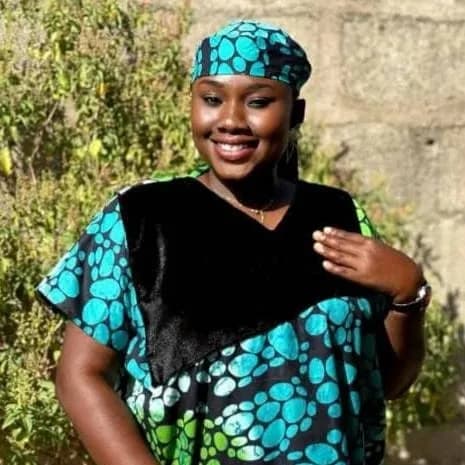
“Sana Pad good well-well, e dey make you comfortable and free. I love the pads, na the best ever!”

“To dey buy disposable pads every month dey add up well-well, so I talk say make I try Sana Pads. E surprise me how soft dem be, and dem dey work well for long days for university. To wash dem simple, and e don reach months wey I never buy new pad, so e don save me money. I also like say dem dey better for environment. E sweet me say I get option wey cheap and wey better for environment.”

“I don try different pad brands for years, but Sana pads really stand out. From the first time I use am, I see the difference — e soft for skin, e dey soak well-well, and e comfortable die. Even for my heaviest flow days, Sana pads dey hold well. Wetin I also love na how the material dey allow air pass and e good for skin. If you dey find pad wey get comfort, wey you fit trust, and wey get quality, I really recommend make you try Sana pads.”
Time to join hand
Contact Us
Margaret Ochegbudu
Business Manager