How Period Poverty Dey Affect Women Work for Nigeria
Where pipo don see us







 Margaret Ochegbudu don check am · Update 30 min to read
Women wey no get period products wey dem fit trust dey miss about five to seven work days every month. Dis one dey cut the money wey dem dey make for one year and e dey block promotion. E worse pass for market trading, factory work and other work wey no get sick pay and no get toilet, because there, if you miss one day, na one day without money.
How Period Poverty Dey Affect Women Work
Period poverty dey put wahala wey dey stop women from getting work, keeping work and moving up for work. When woman no fit manage her period with dignity, e dey show for how she dey work and make money, and you fit measure am.
Wetin you suppose sabi:
- Women wey dey face period poverty dey miss average of 5-7 work days every month, and dis fit cut their money for one year reach 20%.
- Lack of period products dey cost Nigerian women about ₦15,000-₦25,000 every month for money wey dem no make and chances wey dem miss.
- 68% of women wey dey do informal work talk say dem dey avoid work when dem dey see period, because toilet and water for there no good.
- Period poverty dey affect job interview, confidence for work, chance to get promotion, and business wey women dey run for Nigeria.
- Pads wey you fit wash use again fit reduce days wey women dey miss work because of period by 80%, and dem cost 60-75% less than to dey buy disposable pads every month.
- Women for Lagos, Kano and Port Harcourt talk say how to manage period dey among the top three wahala wey dey stop dem from working steady.
- If we solve period poverty, e fit add billions of naira to Nigeria GDP, because more women go dey work.
Make we look well-well how period poverty dey spoil women work, and wetin fit really break dis cycle.
Chioma sidon outside the interview room for one logistics company for Ikeja, Lagos, dey watch her dream job dey waka comot. She don prepare for weeks, she borrow transport money from her neighbour, and she iron her best cloth. But dat morning, her period come when she no expect am. She no get money for disposable pad, and the only pad wey she fit wash use again still wet since she wash am the night before. So she stuff tissue paper inside her pant and pray make e hold. Halfway inside the interview, she feel dat warm leak wey she sabi well. Her confidence scatter. She rush her answers, she say no to the office tour, and she comot before anybody fit see the stain wey dey form for her skirt. The HR manager call am “lack of enthusiasm.” Chioma sabi the truth: dat day, period poverty collect pass her dignity. E collect her chance to make money.
For everywhere for Nigeria, millions of women dey face dis same wahala. Period poverty – when person no get period products, education, and toilet and water – dey cause employment crisis wey people no dey see. E dey hold women for poverty and e dey limit how far Nigeria economy fit go.
How Period Poverty Dey Block Women From Work
How woman take manage her period and how she fit work and make money connect through different ways wey join each other. To understand these ways go help us see where help fit make the biggest difference.
Body Wahala and Health Problems
Period poverty dey force women to use things wey no good instead of correct period products. Tissue paper, old cloth, newspaper and even leaves dey block women from work sharp-sharp. These things no dey soak well, dem dey leak every time, and you must dey check and change dem every time.
Adanna, wey dey work for one factory for Aba, talk how her situation no possible for her body. Her work need make she stand for 8-hour shift dey operate machine. Without correct period protection, she no fit focus on her work safely. Accident don almost happen to her when her mind dey on how to manage leak. At the end, she begin dey call say she sick for her period days, and dis put her work for danger.
Apart from the discomfort wey dey come sharp-sharp, things wey no good for period dey cause health problems wey dey limit work more. Reproductive tract infections (infection for woman private part and womb) dey happen well-well more for women wey dey use dirty things. These infections dey cause pain, fever and other problems wey need treatment and time away from work.
Research wey BMC Women’s Health publish show say Nigerian women wey dey face period poverty dey get reproductive health problems double pass women wey get correct period products. The hospital money and the sick days dey add to the money wahala. E dey make one cycle: poverty dey stop correct period care, dis one dey cause health problems, and the health problems dey make poverty worse.
Wahala for Mind and for Society
To manage period without correct things dey put heavy weight for mind, and e dey affect women chance for work and how dem dey behave for work. Shame, worry and fear of stigma dey follow dem every time, and e dey push dem to take work decisions wey dey hold dem back.
For plenty Nigerian communities, people still dey see period as something wey bad well-well. Dem expect make women hide everything wey fit show say dem dey see period. Dis culture dey turn period poverty from practical problem to something wey dey bring deep shame. Women talk say dem dey feel “unclean,” “exposed,” and “less than human” when dem no fit manage their period privately and well.
Dis shame dey affect how women dey behave for work straight. Women dey say no to promotion wey go make people see dem more. Dem dey avoid work where dem go dey face customers, where shame go happen for public. Dem dey say no to chances wey need make dem travel sleep outside or work long days. Each decision, wey each woman take to protect herself, all together dey hold women back from moving up for money.
Fatima, one seamstress for Kaduna wey sabi work well, get chance to work for one big fashion house wey dey sew for rich clients. She say no, because the work need make she work inside open studio where any accident go show for clients and colleagues. She still dey work from her small setup for house, dey make small part of the money wey dat work for give her, because for house she fit manage her period privately.
Fear say people go find out also dey stop women from building good relationship for work. Instead to explain why dem no come or to ask for support, women dey make excuse, dem dey keep distance, and dem no dey open up. Dis loneliness dey limit chance to get mentor, people wey dem know for work, and the informal support wey dey help person move up for career.
Wahala From Structure and Facilities
Even when women get period products, work places wey no get correct facilities still dey block dem from work. For everywhere for Nigeria, toilet and water for work place no dey reach the basic level wey woman need to manage her period with dignity.
Plenty work places no get private, clean toilet with water to wash and change period things. For informal work places – markets, shops for roadside, farms, construction sites – plenty times no facility dey at all. Women must comot from where dem dey work completely to manage their period, and dis dey disturb how much work dem fit do and the money wey dem dey make.
The facility wahala dey worse for places where NEPA light wey no dey stay dey affect water pump. One factory worker for Onitsha talk say she dey reach work dey see say toilet no get running water because light go off for night. For her period days, dis mean say she no fit clean herself well after she change her protection, and e dey bring discomfort and health risk for the whole work day.
For women wey dey use period products wey dem fit wash use again, facilities for work place dey even more important. Without clean water, private place and safe place to keep things, e dey hard to take care of reusable pads for work. Dis gap dey stop plenty women from enjoying how reusable options dey save money for long time, and e dey hold dem inside the costly cycle of disposable products or dangerous alternatives.
Work Sectors Wey Period Poverty Dey Affect Pass
Period poverty no dey affect all work the same way. To sabi which sectors dey face the worst wahala dey help to target help well.
People Wey Dey Work for Informal Sector
Na Nigeria informal economy employ most of the women wey dey work, and dis sector dey face the worst period poverty wahala. Market traders, food sellers, house helps, hairdressers and artisans no dey usually get any protection for work, no sick leave, and no toilet or water.
Ngozi get small provision shop for Enugu market. Her kiosk no get toilet. The market toilet wey everybody dey share no dey clean well, plenty times water no dey, and she must waka for some minutes from her shop – so if she leave her goods, thief fit carry dem. For her period wey she no get correct protection, she dey reduce her work hours well-well, she dey close her shop early afternoon. Dis one dey make her miss the evening rush when workers dey go house, and e dey cut her daily sales by half.
Informal sector also include gig work and app work wey dey grow. Women wey dey drive ride-share, wey dey do delivery, and wey dey give mobile services dey face their own special wahala. Their work need make dem stay long time far from house and toilet, so to manage period dey hard well-well. Plenty of dem dey just rest for their period days, and dem dey lose money for markets where na person wey dey available every time dey make money.
People Wey Dey Work for Farm
Farm work employ about 36% of women wey dey work for Nigeria, mostly for small farms and as farm labourers. Dis sector dey face period poverty wahala wey dey add up, because the farm dey far, the work dey use body well-well, and no toilet or water dey at all.
Women farmers wey dey work their own land or dey work for other people farm dey spend full day for farm far from any facility. The hard body work of planting, weeding and harvesting dey hard pass well-well when person dey see period, especially without correct protection. Research from Food and Agriculture Organization show say women farmers work dey drop by 30-40% when dem dey see period and dem no get correct period products.
Hauwa, wey dey farm groundnut and millet outside Katsina, talk say to work for her period be like “to carry two loads.” The farm work self hard. When you add discomfort, worry, and to dey find private place every time to adjust protection wey no good, the work almost no possible. More and more, she dey hire men labourers for her period days, dey pay money wey she need for house expenses.
For harvest season, when to miss work days mean say you go lose money or crops, women dey work through serious discomfort and health risk. The health wahala wey dey follow for long time, like reproductive tract infections and problems from to stress the body too much for period time, dey reduce the years wey dem fit work and how much dem fit do.
Health and Education Sectors
E dey surprise say even women wey dey work for health and education – sectors wey dey focus on people wellbeing – dey face serious period poverty wahala. Plenty schools and health centres, especially for village areas, no get correct toilet and water for staff.
Women teachers for public schools dey usually share toilet with students, and these toilets plenty times no get water, privacy or cleanliness. For schools wey no get steady water, teachers no fit wash reusable products or keep clean when dem dey see period. Plenty women teachers talk say dem dey miss work days when their flow heavy, and dis dey add to education gap for communities wey no get enough teachers already.
Health workers, including nurses and community health volunteers, dey face the same facility wahala. Clinics for village areas no dey get much facility even for patients, so staff no get correct place to manage their period. Women health workers dey talk about how e pain say dem dey advise patients about period health, but dem no get basic things for their own needs.
Our pads wey you fit wash
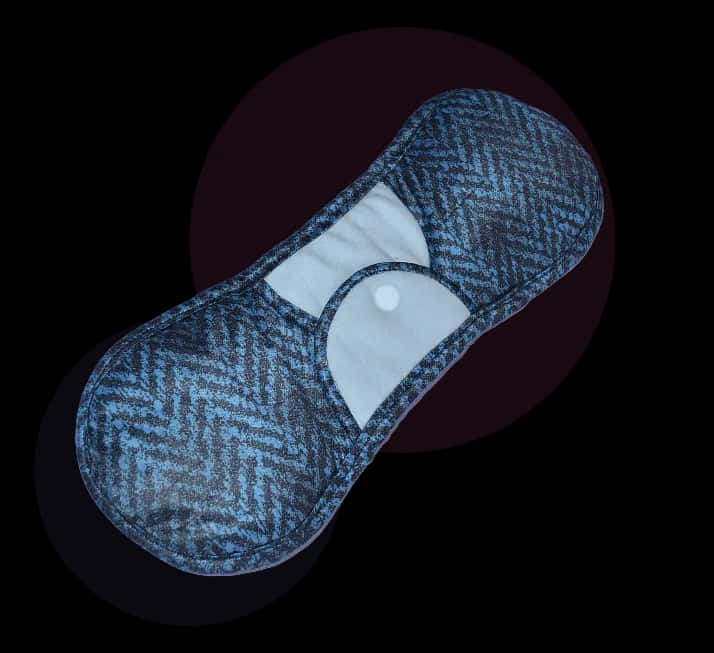
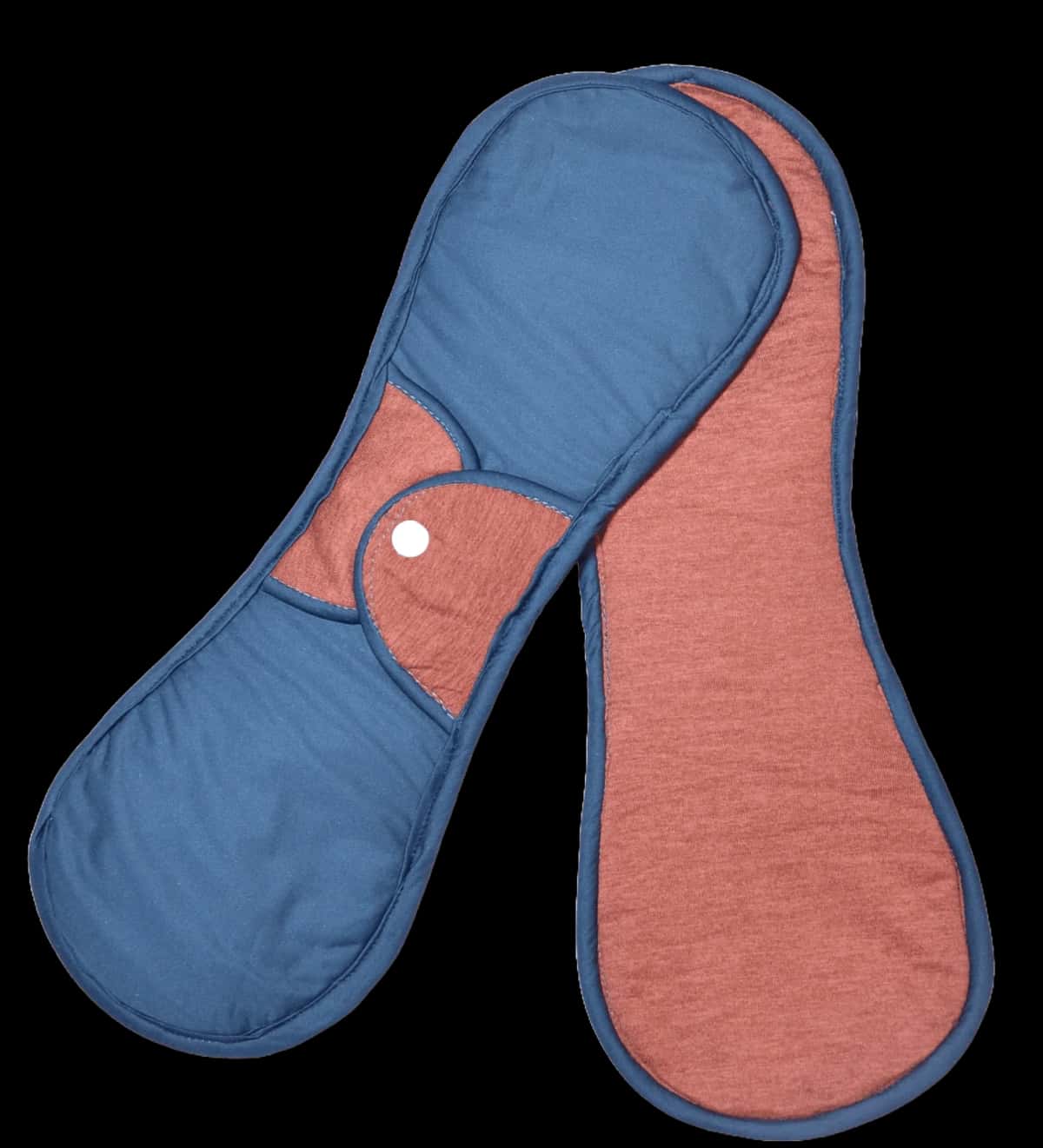

To Break the Cycle: Solutions Wey Dey Support Women Work
To solve how period poverty dey affect work need help for many levels. Practical solutions dey wey fit reduce the wahala sharp-sharp while bigger changes for structure dey grow.
Reusable Period Products as Tools to Make Money
To change from disposable products or things wey no good to quality pads wey you fit wash use again dey bring money benefit sharp-sharp, and e dey support work. The calculation make sense for women for every income level.
Woman wey dey use disposable pads dey usually spend ₦800-₦1,500 every month – reach ₦18,000 for one year. But one set of three quality reusable pads cost about ₦4,000-₦6,000 and e dey last 2-3 years. The ₦30,000-₦50,000 wey you go save for the whole life of the product na big money wey women fit put for business capital, education or house needs.
For Amina, one tailor for Jos, to change to reusable pads change how her business dey go. The ₦1,200 wey she dey spend every month for disposables before, now dey go to buy fabric. For six months, the money wey she save help her add more things to sell and collect more customers. As she get protection wey she fit trust, she stop to dey say no to client fittings for her period, and dis one increase her money straight.
Quality matter well-well. Reusable pads wey dem no design well, wey dey leak or no dey comfortable, dey cause the same work wahala as when you no get protection at all. Good reusable pads must fit soak enough for heavy flow days, get back layer wey no dey leak, get material wey dey comfortable for Nigeria hot weather, and get design wey dey wash and dry quick for different conditions.
Help for Work Place and Wetin Employers Fit Do
Employers wey dey reason forward dey see say to support period health dey help business straight: less people dey miss work, work dey better, and workers dey stay. Some practical things for work place dey make big difference.
To give free or cheap period products for work place toilet dey remove the money wahala sharp-sharp. Some Nigerian companies don begin put dispensers for women toilets, so workers no go ever face work day without protection. Dis small investment dey pay back, because sick leave dey reduce and work dey increase.
To improve toilet and water na bigger investment wey get bigger impact. Clean, private toilets with steady water, dustbin and place to wash hand dey allow women manage period with dignity. For companies wey most of their workers na women, dis investment dey affect their profit straight.
Work rules wey dey flexible for period time fit support women and still keep work going well. Options like to work from house for heavy flow days, flexible hours wey allow break for afternoon to change protection, or private place to rest for women wey get serious cramps, dey accept say period na real thing without punishing women career.
Education and change for culture dey important the same way. To train managers to understand how period poverty dey affect work dey reduce stigma and discrimination. When work place culture dey treat period as normal health matter and no be secret wey dey bring shame, women fit ask for support without fear.
Government Policy and Community Programmes
Change for the whole system need policy wey go solve the root of period poverty. Some policy ways show say dem fit support women work through better access to period health.
To remove tax and tariff from period products dey reduce price, so correct protection go dey easier to get. Some African countries don remove Value Added Tax from period products, because dem see dem as important health things, no be luxury. Nigeria fit do the same to reduce the price wahala.
Work place rules wey go require correct toilet and water to manage period go protect women for all work sectors. The occupational health rules wey dey now no dey usually talk about period needs directly, so employers fit provide facilities wey no good. New rules go make sure say minimum things dey: private, clean place with water and where to throw things away.
Government programmes wey go buy period products for schools, health centres and government work places go support female students, workers and people wey dey use these services, and e go create steady market for local manufacturers. These programmes dey show say government serious about period equity, and e dey build local production.
Community programmes wey dey share products dey reach women for informal work and village areas wey dey face the worst wahala. NGOs, women cooperatives and community health programmes fit give reusable period products plus teaching on how to use and care for dem, and dis go create solutions wey go last and wey fit local conditions.
The Benefit When We Solve Period Poverty for Work
When women get correct period products and facilities wey support dem, the work benefit no stop for the woman alone. E reach families, communities, and the development of the whole country.
Money Power for Each Woman
Women wey fit manage their period with dignity dey always talk say their money increase, their work better, and dem move up more for career. The reason simple – when you dey work every day and you put your full mind, results dey better.
Studies from organisations wey dey share period products show say the money of women wey benefit increase by 15-25%. Women dey miss less work days, dem dey take more clients or responsibilities, and dem dey go for chances wey dem dey avoid before. The benefit for mind – more confidence, less worry, freedom from shame – dey turn straight to boldness, and people dey see dem more for work.
Oluchi, wey collect reusable pads through one women cooperative for Owerri, talk the change simple: “I stop to dey hide.” She begin attend the market traders association meetings wey she dey skip before for her period. She volunteer for the committee wey dey arrange one regional trade fair. She accept chance to travel go Onitsha to meet suppliers. Before one year finish, her money don increase by 30%, and dem don elect her into leadership position for her association.
The good result dey reach families. When women money increase and e dey steady, house life dey better. Children dey stay for school, food dey better, savings dey grow, and wahala no dey shake the family easy again. Research dey show every time say money wey dey women hand dey help family welfare pass money wey men dey control.
Benefit for Health and Society
When women fit get correct period products, e dey improve their body and mind health straight, and dis one dey help dem work steady and live better. Women wey dey use correct period protection dey get reproductive tract infections much less, so dem dey spend less for hospital and dem dey get less sick days.
The benefit for mind dey important the same way. Women talk say dem dey free from worry wey no dey stop, dem get more confidence, and their relationship with people dey better when dem fit manage period with dignity. These changes for mind dey support no be only work, but the whole life and how dem dey join community.
For society, to solve period poverty dey reduce gender inequality and dey fight bad stigma. When period become health matter wey person fit manage, no be source of shame and limitation, women dey stand equal for places where men and women dey together. Dem dey join community leadership, advocacy and decision-making more – roles wey dem don dey keep women out from, partly because of period stigma.
Benefit for next generation matter well-well. Mothers wey get correct period products fit work steady to support their daughters education. Dem dey show confidence and dey show how to take care of health. Dem dey pass correct information, no be shame and wrong information. Dis dey break the cycle of period poverty wey don hold women back for many generations.
Impact for Economy and Development
For national level, to solve period poverty na big chance for economic development. When the wahala wey dey stop half of the population from full work comot, GDP dey increase and development dey move faster.
Careful estimates show say period poverty dey cost Nigeria billions of naira every year for work wey no happen, hospital money, and economic power wey no get chance. African Development Bank don talk say period health na key thing for women money power and for growth wey include everybody for the whole continent.
To support local manufacturing of period products, especially reusable ones, dey create work and build industry. Instead to import disposable products, investment for Nigerian production dey keep the money inside the economy and dey make sure say products fit local needs, weather and wetin people like.
The development benefit pass economy. Societies where women dey work and lead fully dey take different policy decisions, dey invest different way for health and education, and dey get better development results for many areas. Gender equality and women empowerment no be only matter of wetin dey right – na practical need for development wey go last.
Wetin People Dey Worry About Period Poverty and Work Solutions
Women, employers and people wey dey make policy dey always ask important questions and dey get worries about how to solve period poverty for work. To understand and answer these worries dey help build solutions wey dey work.
"Period Products Fit Really Make Dat Big Difference?"
Some people dey doubt whether only to get period products fit change work results well-well, because women dey face plenty wahala for Nigeria labour market. Dis worry deserve serious answer, because true-true period poverty dey together with discrimination, no childcare, small access to education, and other structural wahala.
But the evidence strong say period products na important help wey get impact wey you fit measure. Research from Kenya, Uganda and Ghana – places wey be like Nigeria – dey always show say to give period products dey reduce how women dey miss work by 60-80% among women wey no get correct protection before. Studies on money show say income dey increase too.
The main point be say period poverty na one condition wey must dey solved, even though e no reach alone, for women to work fully. Women no fit work if dem no solve childcare, but dem also no fit work without period protection. The aim no be to talk say period products go solve all work wahala, but to see dem as one important piece wey people don dey ignore for long.
Plus, period product programmes dey usually open door for bigger support. Organisations wey dey share reusable pads dey also give health education, training on how to manage money, and support to grow business. The period products dey make women show up steady and get confidence, so dem fit benefit from these other programmes.
For employers, the return on investment clear. To give period products cost far less than the work wey dem dey lose when workers miss work because of period and dem no perform well. Companies wey dey run period health programmes talk say dem dey get big returns, because sick leave reduce and workers dey happy more.
"Dis Matter No Too Touch Culture/Religion to Talk Am Open?"
The worry about culture and religion na real and e important. True-true, period get plenty taboos, traditions and religious teachings around am for Nigerian communities. Some people dey fear say to talk about period poverty for public go offend culture or religious belief.
But the reality get more sides. Even though how people dey treat period dey different for Nigeria many communities, the basic need for correct products pass culture. Muslim, Christian and traditional religion communities all see say to manage period na important part of cleanliness and dignity.
Plenty religious and culture leaders, when you approach dem with respect, dey become strong supporters of access to period health. Dem see say period poverty dey stop women from reaching their full potential and from contributing to their communities – goals wey agree with most value systems. More and more, religious organisations dey give period products through their health ministries, women groups and youth programmes.
The key na to talk the way wey fit the culture. Instead to import Western ways wey sometimes dey treat period like celebration or show, African ways dey focus on dignity, privacy and practical solution. Dem dey present period products as tools for cleanliness, health and respect – values wey all cultures accept.
For real life, women from every background dey feel relief and gratitude when dem solve period poverty. The shame wey dem dey feel no be because their culture like suffering, but because dem no fit meet the culture standard of cleanliness and discretion without correct things. To give dem those things dey support culture values, e no dey go against dem.
"Wetin About Disposal and Environment?"
As more people dey sabi about period poverty, worries about environment don show, especially about disposable period products. Dis worry show say people care about environment, and e deserve correct answer.
True-true, disposable period products dey cause plenty waste. One woman wey dey use disposable pads fit produce 5-8 kilograms of waste wey no dey rot every year. For millions of women, dis na big load for environment, especially for places where waste management no good.
Dis environment wahala self dey make the case for reusable period products strong pass. Quality reusable pads dey produce very small waste – only the water from washing – and dem dey last many years. For environment side, to push reusable options dey solve period poverty and environment matter at the same time.
For Nigeria, where waste management still hard for plenty communities, reusable products get special advantage. Dem dey remove the disposal problem wey dey make plenty schools and work places no want handle period needs. Dem no dey add to the waste wey dey gather for areas where dem no dey pack waste well.
The environment reason na another reason to support reusable products wey dem make for here. Dem dey reduce how we dey depend on import, reduce smoke from transport, create green jobs, and give solutions wey go last and wey fit local environment and its limits.
Why Sana Pads Dey Support Women Money Power
For Sana Pads, we sabi say period products no be only hygiene things, but tools wey dey help women work and run business fully. Our mission pass to just make pads – we dey actively fight period poverty as wahala wey dey block women money power.
We don directly support pass 10,000 women across Nigeria and we don share pass 30,000 pads through partnership with NGOs, schools and women organisations. Every distribution get teaching on period health, how to take care of pad well, and rights for work place – because products alone no reach if knowledge and power no dey.
As we dey make our pads for Nigeria, e get some important advantages. We sabi Nigeria weather and we design pads wey dey dry quick for humid weather and still dey comfortable for heat. We sabi how things be for ground – light wey no dey stay, small water for some areas – and we dey make products wey dey work inside these limits. We sabi the money pressure wey Nigerian women dey face, and we dey price our products make dem really dey affordable.
We get three product lines wey we design for different needs and budget. Our No Wahala Pads dey give protection wey you fit trust for light flow days, with one layer wey no dey leak and one layer wey dey soak. The Premium Pads, with three layers wey dey soak and back layer wey no dey leak, dey handle normal flow and na dem be the base of our Starter Kit. For heavy flow days, our Maxi Pads get five layers wey dey soak, wey dey give confidence for the longest work days.
Apart from products, we dey push for work place rules wey support period health. We dey partner with employers to improve toilet and water and to put rules wey dey support women. We dey work with women organisations to solve period poverty well-well. We believe say to end period poverty no be only to sell products, but to build movement for period equity.
Our promise na to make sure say no Nigerian woman go miss work, lose money or lose chance because she no get correct period protection. Every pad wey we make na small piece of economic justice and women empowerment.
How to Start: Support Women Work Through Period Health
Whether you be woman wey period poverty dey affect her work, employer wey wan support your workers, or organisation wey dey work for gender equity, practical steps fit bring change sharp-sharp.
For Women Wey Want Steady Work
If period poverty don affect your work, sabi say solutions dey and you deserve better. To invest for quality reusable pads na one of the steps wey cost less pass and wey go help you get steady work and more money.
Start by calculating wetin you dey spend every month now for period products, or wetin you dey lose for work days wey you miss. Compare am with the one-time money for reusable pads. For most women, the money go return within 2-3 months, and after dat, you go dey save and earn more.
One 3-pack of our Premium Pads na better way to start for ₦4,000. Three pads go allow you rotate dem – wash, dry – and you go always get clean protection ready. The three layers wey dey soak for Premium Pads dey handle most flow levels, but women wey their flow heavy well-well fit add one or two Maxi Pads to their collection.
If the money to start dey hard, think about to start savings group with other women to buy together for bulk. Some women cooperatives and NGOs dey give financing or cheap access to reusable products – ask for your community about programmes wey dey.
Apart from products, speak up for yourself for work. You get right to correct toilet and water for work place. If your work place no get basic things to manage period, gather other women and go meet management together. Present the request as matter of work output and workers wellness, no be personal complaint.
For Employers and Organisations
If you dey employ women or you dey run programmes wey dey serve women, to solve period poverty na help wey get big impact and no cost much, and e dey support your workers and your mission.
For small business, just to make sure say clean, private toilet dey with water, soap and dustbin na the base for period dignity. Think about to keep emergency period products for the toilet – the cost small compared to the goodwill and how e dey protect work.
Bigger organisations suppose consider full period health programmes. To give free or cheap reusable pads to women workers dey bring benefit sharp-sharp, because less people go miss work. One company for Lagos calculate say their ₦200,000 investment to give pads to 100 women workers save dem ₦1.2 million every year through less sick leave and better work.
Organisations fit order as many packs as dem need for our fixed price per pack, with delivery to any state for Nigeria. We also dey run teaching sessions for staff, to help create work place culture where period health na normal work health matter.
NGOs and community organisations fit add period health to their women empowerment, health or economic development programmes wey dey already. As period poverty and work join together, period products fit well with livelihood programmes, vocational training and support for small business.
Make We Move Forward Together
Period poverty dey cost Nigerian women their dignity, their health and their money power. Every month, millions of women dey miss work days, dey avoid work chances, and dey watch their dreams dey shift, because dem no get correct period protection. All together, dis na billions of naira for money wey dem no make and contribution wey no happen.
Solutions dey and you fit get dem. Reusable period products dey give protection wey cheap and wey go last, wey dey help women work steady. Better work places dey create place where women fit manage period with dignity. Policy changes fit remove structural wahala for the whole system.
When we solve period poverty, the work impact pass each woman – e dey change families, make communities strong and push national development fast. When women dey work steady, dey earn steady and dey move up for work, everybody dey benefit.
To end period poverty no be only matter of wetin dey right or women matter. Na practical plan for economic development wey don show say e dey pay. Every investment for women period health dey multiply through more work, better family welfare and more money activity.
We dey invite you to join dis movement. Whether you need products for yourself, you wan support your workers, or you wan fight period poverty through programmes for your organisation, Sana Pads ready to partner with you. Together, we fit make sure say period poverty no go limit any Nigerian woman money power. Contact us make you sabi more about products, orders and partnership, or check our resources on period poverty for Nigeria to understand dis serious matter wey dey affect millions for our country well-well.
Continue to read for Period Poverty for Nigeria
Questions wey pipo dey ask well well
Why I go choose Sana Pads instead of normal disposable pads?
Dem make Sana Pads from quality material wey you fit wash use again. Dem be better choice wey no dey spoil environment, instead of disposable sanitary products. Dem dey gentle for your skin, dem dey soak well-well, and for long run dem go save you money. When you choose Sana Pads, you dey help reduce plastic waste, and you go enjoy comfort and pad wey you fit trust for your whole cycle.
How long I fit use Sana Pad before I go need wash am?
Sana Pad dey give you comfort and protection for 4 to 8 hours, depending on how your flow be. Make you dey fresh, change am every 4 to 6 hours - more often for heavy days. After every use, rinse am for cold water and wash am with soap. If you take care of am well, each pad go last 2 to 3 years.
Sana Pads safe for skin wey dey sensitive?
Yes, dem make Sana Pads from soft material wey dey allow air pass and wey no dey cause allergy (hypoallergenic), so dem dey gentle for your skin. Dem no get the bad chemicals and toxins wey dem dey usually find for disposable pads, so dem be correct choice for person wey get sensitive skin or allergy.
How I go clean and take care of my Sana Pads?
Rinse your pad for cold water sharp-sharp - hot water dey make blood stain hold the cloth. Then wash am with mild soap, with hand or for machine, and rinse am until the water clear. Dry am finish for direct sun, because sun dey also kill germs. Abeg no use tumble dryer, bleach or fabric softener: dem dey spoil the layers wey dey soak. If you take care of am like dis, Sana Pad go last 2 to 3 years.
Price dey change if I order plenty?
No. Every product get one fixed price per pack, no matter how many packs you order. You fit calculate your total with our price calculator. For big orders, send us direct message and we go confirm the delivery cost with you before you pay.
Testimonials
See wetin our customers dey talk about our products.
Women for all over di world dey buy Sana

“For first, e dey irritate me to use washable sanitary pad. I decide to try am, and to my greatest surprise, e comfortable well-well and e easy to wash. You fit even do your daily things without fear say blood go stain you for public. I wan give Big shout out to SANA PADS!!”

“I dey really love Sana reusable pads! Dem dey make me relax and feel free for my period time. Plus, dem don reduce the cost and stress of buying disposable pads every month well-well. Kudos to Sana for making dis kind correct product – I go be fan forever!”
“Sana Pad good well-well, e dey make you comfortable and free. I love the pads, na the best ever!”

“I don try different brands of reusable pad, but Sana stand out for the quality, the comfort and how e dey last. Dem design am with sense, and the material dey gentle for my skin. As I change to Sana, e don reduce how I dey spoil environment and e don also save me money for long run. I dey grateful for dis solution wey go last!”

“I don try different pad brands for years, but Sana pads really stand out. From the first time I use am, I see the difference — e soft for skin, e dey soak well-well, and e comfortable die. Even for my heaviest flow days, Sana pads dey hold well. Wetin I also love na how the material dey allow air pass and e good for skin. If you dey find pad wey get comfort, wey you fit trust, and wey get quality, I really recommend make you try Sana pads.”

“To dey buy disposable pads every month dey add up well-well, so I talk say make I try Sana Pads. E surprise me how soft dem be, and dem dey work well for long days for university. To wash dem simple, and e don reach months wey I never buy new pad, so e don save me money. I also like say dem dey better for environment. E sweet me say I get option wey cheap and wey better for environment.”
Time to join hand
Contact Us
Margaret Ochegbudu
Business Manager