Period Poverty and Di Danger Wey E Dey Bring for Women Reproductive Health for Nigeria
Where pipo don see us







 Margaret Ochegbudu don check am · Update 26 min to read
Wen woman dey use cloth, tissue or newspaper because she no fit afford pad, e dey raise di risk of urinary tract infection and infection for reproductive parts. Di same thing dey happen if she wear one pad for too long. Doctors and health workers for Nigeria dey see dis kind case regularly, and person fit prevent am: product wey cheap and wey you fit change often na di biggest thing wey fit help.
Di Medical Truth About Period Poverty
Wen family must choose between food and sanitary pad, health dey always suffer. Di link between period poverty and reproductive health danger no be only for book – na wetin dey happen every day for Nigerian hospitals, health clinics and pharmacy from Lagos reach Maiduguri.
How Tins Wey No Safe for Period Dey Harm Your Body
Your vagina get good bacteria wey dey balance well, and dem dey protect you from infection. Think am like garden wey person dey take care of well, where good plants no dey allow weed take over. Wen you use dirty cloth, newspaper or other tins wey no clean for period, na like say you dey pour dirty sand inside dat garden.
Period blood dey make di place warm and wet, and bacteria dey multiply quick-quick there. Inside few hours, cloth wey no wash or newspaper go turn house for bad germs. Dis bacteria no dey stay for top – dem dey travel. Dem dey move pass your vagina, and dem fit reach your cervix, womb (uterus), fallopian tubes and ovaries. Every step wey dem take go inside, di infection fit dey more serious.
Di tins demself dey cause more damage. Rough cloth dey scratch di soft skin for inside vagina, and e dey make small-small wound wey bacteria dey use enter. Newspaper ink get chemicals wey no suppose touch your private part at all. Leaf and cotton wool from market dey often carry bacteria from sand, including tetanus. Even cloth wey look clean fit still hold bacteria if dem no wash am with hot water and soap, or if e dry for Nigeria humid weather where mold and bacteria dey grow well.
Your body go try fight dis invaders, but if infection dey come back every month, e go pass wetin your body fit defend. Wetin start as small discomfort fit turn serious infection wey need doctor treatment.
How Infection Dey Grow: From Small Discomfort Reach Disease
Reproductive tract infection no dey announce itself loud. E dey start small – small discharge wey no normal, small itching, small smell wey you hope say go comot. Plenty Nigerian women dey ignore dis early warning because to talk about vagina problem dey shame dem, or because dem no get money to go health centre.
Bacterial vaginosis na often di first infection wey go start. E dey happen wen bad bacteria pass di good bacteria for your vagina. You fit notice thin, grey discharge wey get fish smell, especially after your period. E dey shame person, but BV no be only discomfort. If you no treat bacterial vaginosis, e go make am easier for you to catch sexually transmitted infections, because e dey spoil di defence wey your vagina get.
Urinary tract infection dey follow di same pattern. Bacteria from dirty period tins dey spread go your urethra, di pipe wey dey carry urine comot from your bladder. You go feel burning wen you dey urinate, you go dey need to go toilet every time, and you fit see urine wey cloudy or get blood. UTI dey pain and e dey disturb person, but di thing wey dey worry pass na wetin go happen wen di infection climb go your kidneys.
Yeast infection too dey grow well wen period poverty force you to wear di same tin for too long. Di warm, wet place wey dey trap against your body na perfect condition for Candida fungus to grow too much. Di strong itching and thick, white discharge dey push some women to use remedy wey dey harm – to put garlic, bitter herbs or other traditional treatment inside, wey fit cause more injury and chemical burn.
Di real danger dey come wen dem no treat dis common infections well. Bacteria go continue to climb up inside your reproductive system.
Pelvic Inflammatory Disease: Di Quiet Danger to Fertility
Pelvic inflammatory disease na di most serious result of reproductive tract infection wey dem no treat. PID dey happen wen bacteria spread pass your vagina and cervix, and infect your womb (uterus), fallopian tubes and ovaries. Dis infection fit grow quietly for months, or e fit strike sudden with serious pain.
Women wey get PID dey feel pain for lower belle, fever, discharge wey no normal, pain during sex, and bleeding wey no get regular time. But see wetin make PID dangerous pass: plenty women no dey feel any symptom at all, while di infection dey quietly leave scar for their reproductive organs.
Dat scar na forever. Wen your fallopian tubes get scar and block, egg no fit travel from your ovaries go your womb. Dis one dey lead to infertility – wen woman no fit get belle naturally. For Nigeria, where to be mama carry big respect for society, infertility no dey affect only your body but your marriage, your family and how community dey see you.
Scar also dey increase di risk of ectopic pregnancy, wen egg wey don fertilise sit for your fallopian tube instead of your womb. Ectopic pregnancy na medical emergency wey fit cause bleeding inside body wey fit kill person. E need surgery immediately – care wey you fit no get if you live far from health centre wey get correct equipment.
PID fit cause pelvic pain wey no dey go, wey fit last for years, and e go affect how you fit work, take care of your family and enjoy intimacy with your partner. Di money and di emotional wahala dey add to di first problem: women wey no fit afford period product before now dey face fertility treatment wey cost well-well, or pain wey dem must manage for long time.
Specific Reproductive Health Danger Wey Get Link with Period Poverty
Apart from infection, period poverty dey create plenty health danger wey join each other, and dem dey affect different parts of your reproductive health. If you understand how dem connect, e go help you notice warning signs early and find correct care.
Cervix Health and Cancer Risk
Your cervix – di narrow passage wey join your vagina to your womb – dey face direct contact with any tin wey you use for period. Irritation wey no dey stop and infection wey dey repeat fit cause changes for di cells of cervix. Even though most changes for cervix no dey turn cancer, HPV infection (wey common well-well for Nigeria) plus long-time inflammation from bad period hygiene together dey create risk wey dey worry.
Cervical infection dey cause discharge wey no normal, bleeding between periods or after sex, and pelvic pain. Dis symptoms dey look like many other conditions, na why regular cervical screening dey important. But na di same women wey no get money for pad, no get money for cervical cancer screening too. Person wey no fit afford pad surely no fit afford Pap smear for private hospital.
Research from Nigerian teaching hospitals show say women wey don get bad period hygiene before dey go for cervical cancer screening far less than other women. Wen dem finally go for care, di problem for their cervix don often advance. Early-stage cervical changes dey easy to treat, but advanced cervical disease need big treatment – surgery, radiation or chemotherapy – wey dey scatter family money.
Di link no be only about infection. Period poverty often mean say you go wear any tin wey you dey use for long time. To keep dirty, wet tins near your cervix for 8, 10 or 12 hours dey cause irritation wey no dey stop, and e dey add to infection risk.
Toxic Shock Syndrome and Health Emergency Wey Dey Come Sudden
Even though toxic shock syndrome no dey common, period poverty fit create condition wey make am more likely. TSS na condition wey fit kill person, and na poison from bacteria dey cause am, mostly Staphylococcus aureus. E dey happen wen bacteria multiply quick-quick for di warm place wey period blood dey create.
TSS dey strike sudden with high fever, vomiting, running stomach, strong muscle pain, and rash wey look like sunburn. Blood pressure dey drop reach danger level, and if person no get medical treatment immediately, TSS fit cause organs to fail and death inside hours. Di condition dey mostly connect with super-absorbent tampons wey person leave inside too long, but any period tin wey stay for body wen e don soak well-well fit bring risk.
For Nigeria, where tampons no too common, TSS risk dey come from period tins wey person manage – cloth wey dem pack tight or tins wey dem put inside vagina and leave too long because e no possible to change often. Maybe you dey school wey no get private toilet, you dey travel and no get chance to change, or you just no get clean one to change.
Di sad thing about TSS be say e dey strike healthy young women without warning. 17-year-old girl for Abuja wey dey fine yesterday fit dey fight for her life today. Health workers fit no quickly recognise TSS, especially for health centre wey no get equipment to test, and dis one dey delay treatment wen every hour matter.
Anemia and Problems with Nutrition
Period poverty no dey affect only infection risk, e dey affect how your body dey get nutrition. Wen period protection fail, plenty women dey reduce wetin dem dey drink – dem dey drink less water so dem no go need change di poor tins often or use toilet. To lack water for body during period dey make cramps, headache and tiredness worse.
Heavy period bleeding dey more common wen reproductive tract infection no get treatment. Your body dey lose more blood every month, and di iron for your body dey finish. Iron deficiency anemia dey come small-small – you go dey feel tired more and more, weak, dizzy. Your skin go look pale, you no go fit concentrate for work or school, and small work go tire you.
Nigerian women don already dey face high anemia rate because of malaria and di food wey dem dey chop. To add monthly blood loss from heavy period wey infection dey cause na big crisis. Women wey get anemia no get much energy for work wey dey bring money, to take care of pikin, and house work. Pregnant women wey get serious anemia dey face more risk of complications during delivery.
Di cycle dey feed itself: anemia dey cause tiredness, tiredness dey reduce how much money you fit make, small money mean say you still no fit afford period product, and bad period hygiene dey keep di infection wey dey cause heavy bleeding.
How to Notice Warning Signs and Go for Care
Knowledge dey protect you. If you sabi which symptoms need medical attention, e fit stop small infection from turning serious reproductive health crisis. Plenty Nigerian women dey delay to go for care because of cost, shame, or because dem no sure if their symptoms “serious reach.”
Symptoms Wey Need Attention Immediately
Some warning signs suppose send you go health centre immediately, no matter di cost or di shame. Strong pain for lower belle, especially with fever, fit mean PID, ectopic pregnancy or another serious condition. No wait to see if e go better.
Heavy bleeding wey soak pass your period protection inside one hour or less, wey continue pass seven days, or wey get big blood clots need make doctor check am. Even though heavy period dey common, bleeding wey too much fit mean infection, fibroids or other conditions wey dem fit treat.
Vaginal discharge wey dey smell bad, especially if e be greenish-yellow or e come with strong itching and burning, fit mean infection wey need correct treatment. Medicine wey you buy without prescription or traditional herbs fit give small relief for short time, but dem no go cure infection wey bacteria or parasite cause.
Fever during or just after your period, especially with cold wey dey shake you, body pain or vomiting, fit mean serious infection. Your reproductive organs dey catch infection more easily during period because your cervix dey open small make period blood fit flow comot.
Pain wen you dey urinate plus fever and back pain fit mean kidney infection, wey need antibiotics to stop permanent damage to your kidney. Dis infections fit develop quick from UTI wey no get treatment.
How to Find Your Way for Nigeria Health System
To find reproductive health care for Nigeria need plan. Government health centres dey cheaper pass private hospitals, but dem fit no get supplies or di waiting time fit long. Community health centres dey often give basic treatment for common reproductive infections for small money.
Plenty states dey give free or cheap reproductive health services for teenagers and young women. Programmes through di National Primary Health Care Development Agency sometimes include free treatment for reproductive tract infections. Ask for your local primary health centre about di programmes wey dey.
Pharmacy dey easier to reach pass hospital, but chemist no fit diagnose your condition just by talking with you across counter. Dem fit sell antibiotics give you, but without correct diagnosis, you fit get di wrong medicine. If you fit, see nurse or doctor make dem diagnose you, then buy di medicine wey dem write for pharmacy wey cheaper if di health centre pharmacy cost too much.
University teaching hospitals and health centres wey religious groups dey run sometimes dey give free care or allow you pay small-small. No make fear of cost stop you from going for care if you get serious symptoms. PID wey no get treatment go cost far more for long run than early treatment for simple infection.
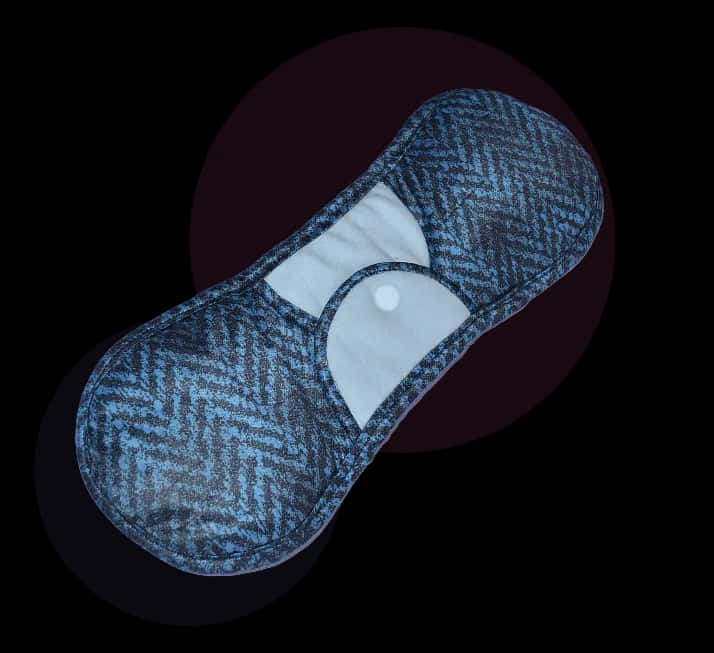
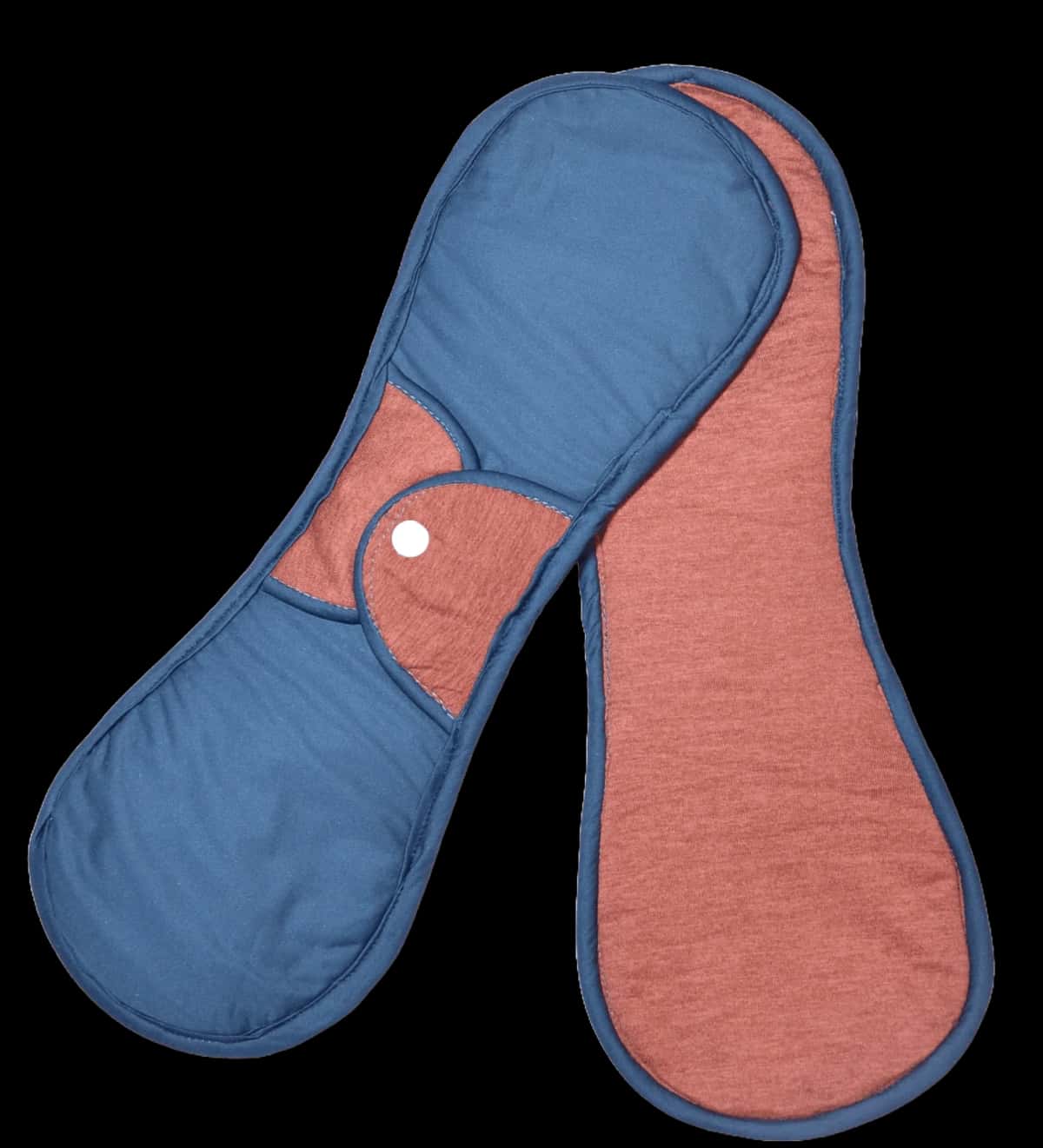
Our pads wey you fit wash

How to Break Di Cycle: Prevention Through Access
Reproductive health danger from period poverty, almost all of dem person fit prevent. Di solution no be complex medical treatment – na access to clean, safe period products and basic hygiene facilities.
How Safe Period Products Dey Protect Reproductive Health
Good period pad dey do pass to catch blood. E dey stand between period blood and your body, e dey keep di blood wey full of bacteria far from your vagina and vulva. Correct layers wey dey absorb dey pull wetness comot from your skin, so di place go dry more, and bacteria go multiply slow.
Backing wey no dey leak dey stop period blood from spreading go your cloth, so you fit change your pad for correct time without fear say stain go show. Dis protection dey allow you keep your normal hygiene routine, instead of to reduce wetin you dey drink or wear pad pass di time wey safe.
Pad wey you fit wash use again, wey dem make with correct materials and wey you wash well, dey give di same protection as disposable pad, for small part of di cost for long run. Di key na “wash well” – with soap and water, dry am finish for sun, and keep am for clean, dry place. One good pad wey you fit wash use again fit last two to three years, e fit replace hundreds of disposable pads or plenty other tins wey person dey manage.
Di health benefit dey come from consistency. Wen you get enough pads to change every 4-6 hours throughout your period, wash di used ones and rotate dem, you dey keep everything clean. Your vagina go stay balanced, infection no go start, and your reproductive health go dey protected month after month.
Hygiene Facilities and Change of Behaviour
Product alone no reach – you need facilities to use dem well. Private, clean toilet wey get water to wash your hands and your pads na important thing wey must dey. Schools, workplaces and markets for every side of Nigeria often no get dis basic facilities, and e dey force women make choices wey no get correct answer.
To push for better WASH (Water, Sanitation and Hygiene) facilities for schools and public places get direct effect on reproductive health. Wen girls get private toilet wey get water and dustbin for school, dem dey go class during period. Wen dem dey go class, dem no go dey use tins wey dem manage for 8-10 hours without change.
Change of behaviour matter too. Wen people dey talk about period health openly like normal thing, e dey help women notice infection symptoms early and go for care without shame. Wen mamas teach their daughters correct period hygiene and give dem correct products, dem dey break di cycle of infection and reproductive health problems wey dey pass from one generation go another.
Community health education programmes wey dey teach period hygiene together with other reproductive health topics dey reduce stigma. Women go learn say vaginal infection no be punishment or secret wey suppose shame you, but na medical condition wey dem fit treat, and correct period care fit often prevent am.
Di Money Side of Prevention
To prevent reproductive tract infection cost far less than to treat am. One month of disposable pads for Lagos cost about ₦1,000-₦1,500. Reproductive tract infection wey need doctor consultation, lab test and antibiotics fit easily cost ₦5,000-₦15,000. To treat PID with di complications wey fit follow am fit cost ₦50,000-₦200,000 or more.
Pads wey you fit wash use again dey save even more. If you first spend ₦3,000-₦6,000 for complete set of reusable pads, e go protect you for 2-3 years. Dat one na ₦100-₦250 every month compare to ₦1,000-₦1,500 for disposable – you go save 60-75%. Dis savings dey add up: ₦900-₦1,400 every month wey go free for school fees, food or health care.
For families wey dey live on less than ₦30,000 every month, dis difference dey change life. Na di difference between daughter wey go school during her period and di one wey stay house. Na di difference between to chop enough protein or to go without. Na di difference between health wey you dey protect before wahala and health care wey dey run only wen crisis come.
NGOs and government programmes wey dey give period products to people wey need am no dey only fight for dignity – dem dey do public health work wey no cost much but wey dey prevent infections wey cost well-well and di complications wey dey follow dem.
Common Worries About Period Poverty and Health
To understand di health danger of period poverty dey raise important questions. To answer dis worries with honesty dey help women make decision wey dem sabi well, and fight for di support wey dem need.
"If Period Poverty Dangerous Reach Like Dis, Why More Women No Get Serious Problem?"
Dis question na survivor bias – you dey notice di women wey look fine, but you no dey see di ones wey dey suffer quietly. Plenty reproductive health result of period poverty no dey show from outside. Woman wey sidon near you for market fit get pelvic pain wey no dey go, infection wey dey come back, or she fit dey struggle to get belle, but you no go know unless she tell you.
Some women dey pass through period poverty without serious infection, but dat one no mean say di practice safe – e mean say dem get luck. Maybe their body defence strong well-well, or dem manage to keep better hygiene pass other people wey dey di same condition. Maybe dem don get infection before but dem think say discharge or discomfort wey no dey stop na “normal” because dem never experience anything different.
Di reproductive health data dey tell different story from wetin one-one person dey talk. Studies from Nigerian teaching hospitals show say reproductive tract infections, PID and di complications wey follow dem dey higher well-well among women wey talk say dem dey use tins wey no clean for period. Di link clear even wen some women look like say e no touch dem.
Think am like to cross busy expressway. Some people dey run cross and nothing happen, but dat one no make am safe. Di fact say plenty women survive period poverty without infection wey show no remove di serious danger, or di women wey dey suffer terrible result.
"You Fit Really Get Infection From Period Tins If You No Dey Have Sex?"
Yes, true-true. Reproductive tract infection from bad period hygiene no get anything to do with sex. Dis infections dey come wen bacteria, fungi or other germs enter your vagina through dirty tins.
Your vagina no dey sterile – e get good bacteria wey dey keep am healthy. Problem dey start wen bad bacteria pass di good ones, or wen di tins bring germs wey no suppose dey there at all. Bacteria from sand wey dey for leaf, chemicals from newspaper ink, mold from cloth wey dry for humid weather – none of dem need sex to cause infection.
Teenage girls wey never have sex dey get bacterial vaginosis, UTI and even PID from dirty period tins. Di infection dey climb up through your reproductive tract, whether your hymen still dey or not, whether you don have sex or not.
Na why period poverty dey dangerous especially for young girls. Parents sometimes dey think say daughters wey no dey have sex no need good period products, or say dem no dey at risk for reproductive health problems. Schools fit get facilities wey no good reach for younger students. But 13-year-old wey dey use dirty cloth dey face di same infection risk as 25-year-old married woman.
"Wetin If I No Fit Afford Products or Treatment - Health Problem Don Dey Wait For Me?"
No – help dey, but to find am need patience. Start by reaching community health centres, ask about free or cheap period product programmes. Plenty Nigerian NGOs dey share pads give women and girls, especially students. School guidance counsellors, community health workers and women organisations often sabi about local programmes.
Religious organisations dey often give period products and reproductive health services. Churches, mosques and temples fit get quiet programmes wey dey help women wey dey face period poverty. No make shame stop you from asking religious leaders or women group leaders for guidance.
For protection now-now, focus on to make di safest choice wey you fit with wetin you get. If you must use cloth, choose clean cotton cloth, wash am well with soap and hot water wen you fit, dry am finish for direct sun (UV light from sun dey kill plenty bacteria), and keep am for clean, dry container. Change di tin as often as you fit, best na every 4-6 hours.
Go for free health check wen e dey. Plenty states dey run women health campaigns from time to time wey dey give free reproductive health check-up, cervical screening and infection treatment. Keep your eye open for dis programmes for your community.
Think about to join money with friends or family wey you trust. Some women fit share di cost of good reusable pads, each person buy few and maybe share for emergency, and dis one fit make protection easier to get. Community savings groups sometimes get plan for health expenses, including period products.
How Local Solutions Fit Fight Period Poverty
For di whole world, people dey sabi more about period poverty, but solution wey go last must come from inside Nigerian communities. Local manufacturing, education wey fit our culture, and distribution wey community dey run dey bring change wey go last, wey imported products and foreign NGOs no fit match.
Why Solutions Wey Dem Make for Nigeria Matter for Health
To understand Nigeria situation – weather, infrastructure, culture, money reality – dey important to make period products wey really protect reproductive health. Pad wey dem design for Europe weather fit no work well for Lagos humidity. Products wey dem make without to understand Nigerian women work days, school environment and how dem dey travel no go meet real needs.
Na from dis understanding Sana Pads come. As Nigerian manufacturer, we sabi say women for Kano dey face different challenge from di ones for Port Harcourt. We sabi say plenty women no get steady light for washing machine, so our pads dey easy to wash with hand. We understand say Nigeria weather mean say drying go take longer, so we design materials wey dey dry quick. We know say plenty women dey share house, so we create ways to keep pad without people seeing am.
Our mission pass manufacturing, na to end period poverty for every side of Nigeria. Since we start, we don support over 10,000 women directly through product donation, education programmes, and partnership with schools and health centres. We don share more than 30,000 pads give people wey need am – students, women wey don lose their home, rural communities wey no get access to period products.
Dis one no be charity – na investment for Nigerian women health and how dem fit work and make money. Wen girl stay for school during her period instead of to miss three days every month, no be only her dignity she dey keep. She dey continue her education wey go keep her on track to finish secondary school, maybe university, and get economic opportunities wey go lift her whole family.
Wen woman fit work with confidence during her period instead of losing income, she dey add to di security of her house. Wen she no get reproductive tract infection wey need treatment wey cost well-well, she dey save family money for other needs. Di good wey dey come from fighting period poverty with good products wey people fit get dey reach far pass one woman period.
Make You Take Action: Protect Your Reproductive Health
To understand di health danger of period poverty na di first step. Na action dey bring change – for yourself, your daughters, your students, your community.
For Women and Families
If you dey manage your period now with tins wey no reach, to change go safe products na di single most important thing wey you fit do for your reproductive health. Start by understanding which level of protection you need. Light flow days need less absorbency, but heavy flow need maximum protection.
Our No Wahala Pads get one layer wey no dey leak plus one layer wey dey absorb, perfect for light flow days for di beginning or end of your period. For regular flow days, Premium Pads get one layer wey no dey leak plus three layers wey dey absorb – protection wey you fit trust, wey go let you focus on work, school or family instead of to worry about leak.
Heavy flow need serious protection. Maxi Pads join one layer wey no dey leak with five layers wey dey absorb, and dem dey give you security for your heaviest days and protection for night. Plenty women dey use Maxi pads for di first two days of their period, then change go Premium or No Wahala pads as di flow dey reduce.
3-pack of our Premium Pads na di best way to start with pads wey you fit wash use again, for ₦4,000. E go give you enough pads so you go always get clean ones while you dey wash di used ones. You fit wash one or two pads for evening, dry dem overnight (for humid areas, use dry towel press comot extra water, and dry dem inside house where air dey pass), and rotate your pads.
If to buy products dey look impossible for you now, reach out. We dey partner with organisations for every side of Nigeria to give pads to women wey need am. Contact us through our website or social media to ask about programmes for your area or to explain your situation. Period poverty no be shame – na system problem wey need everybody to solve am together.
For Organisations and Community Leaders
Schools, NGOs, religious organisations, health facilities and women groups get big power to fight period poverty and di reproductive health result wey e dey bring, for large scale. To start period health programmes for your organisation dey bring good wey go spread for di whole community.
Schools wey get teenage girls suppose think about to give period products di same way dem dey give textbooks – as important part of education. Wen even 10-20% of girls dey miss school during their period, di whole class go fall back. Period product programmes dey keep girls for class, protect their health, and send strong message say dem get value.
Health facilities fit join period product distribution with reproductive health services. Women wey come for infection treatment often no fit afford di same products wey for stop di infection from coming back. To give reusable pads as part of infection treatment dey make result better and reduce how often dem go come back.
NGOs wey dey work for women empowerment, education or health go see say period product programmes dey multiply di impact of their other work. Girl wey collect school supplies but dey stay house during her period still go fall back. Training wey dey help women make money no go mean much if women dey lose income during period.
Schools, NGOs and other organisations fit order any quantity for di same fixed price per pack. Support to start di programme dey help you design programmes wey fit your people – whether na teenage girls for boarding schools, women for rural villages, people wey don lose their home, or communities for city slum.
Partnership chance dey for organisations wey commit to period equality for long time. We dey give training to community health workers, teachers and peer educators about period health and hygiene. To give products together with education dey bring change of behaviour wey go last, and e dey protect reproductive health for years.
Make We Move Forward with Dignity and Health
Period poverty dey thief pass dignity – e dey thief health, chance for education, how person fit work and make money, and sometimes even di power to get belle. Di link between period products wey no reach and reproductive health danger clear, dem don write am down, and person fit prevent am.
Millions of Nigerian women dey face dis challenge every day with strong heart. But dem no suppose need to dey strong like dat wen solution dey. Clean period products wey cheap, plus basic hygiene facilities and education wey no dey shame person, fit almost remove di reproductive health danger of period poverty.
Every girl wey get good period products before her first period dey start her reproductive life with protection. Every woman wey change from tins wey she dey manage to correct pads dey reduce her infection risk immediately. Every community wey make period health talk normal dey create space for people to notice symptoms early and go for care.
Dis one possible for every side of Nigeria – for cities and villages, schools and workplaces, rich communities and poor ones. Di tools dey. Di knowledge dey. Wetin we need na for everybody to agree to treat period health as di basic health and dignity matter wey e be.
Your period no suppose cost you your health, your education, your work or your future. Safe period products no be luxury – dem be basic health need wey dey protect your reproductive health for your whole life. To take action to get dis products for yourself, and to fight make all Nigerian women get access, dey create healthier families, stronger communities and society wey dey fair.
If you ready to protect your reproductive health or support period equality for your community, connect with Sana Pads today. Together, we dey end period poverty and build Nigeria where every woman health and dignity dey protected. Learn more about our mission and join di movement to end period poverty for ourPeriod Poverty Nigeria resource centre.
Continue to read for Period Poverty for Nigeria
Questions wey pipo dey ask well well
Why I go choose Sana Pads instead of normal disposable pads?
Dem make Sana Pads with high-quality materials wey you fit use again, so dem be alternative to disposable sanitary products wey dey last and wey no dey spoil environment. Dem dey gentle for your skin, dem dey absorb well-well, and for long run dem dey save you money. Wen you choose Sana Pads, you dey help reduce plastic waste, and you go enjoy comfort and pad wey you fit trust throughout your cycle.
How long I fit use one Sana Pad before I go wash am?
Sana Pad dey give you comfort and protection for 4 to 8 hours, depending on how your flow be. To stay fresh, change am every 4 to 6 hours - more often for heavy days. After every use, rinse am for cold water and wash am with soap. If you take care of am well, each pad go last 2 to 3 years.
Sana Pads safe for skin wey dey sensitive?
Yes, dem make Sana Pads with materials wey soft, wey dey allow air pass, and wey no dey cause allergy (hypoallergenic), so dem dey gentle for your skin. Dem no get di harmful chemicals and toxins wey dem dey often find for disposable pads, so dem be correct choice for people wey get sensitive skin or allergy.
How I go take clean and take care of my Sana Pads?
Rinse your pad for cold water immediately - hot water dey make blood stain stay. Then wash am with mild soap, with hand or for machine, and rinse am until di water clear. Dry am finish for direct sun, wey also dey kill germs. Abeg no use tumble dryer, bleach or fabric softener: dem dey spoil di layers wey dey absorb. If you take care of am like dis, Sana Pad go last 2 to 3 years.
Price go change if I order plenty?
No. Each product get fixed price per pack, no matter how many packs you order. You fit calculate your total with our price calculator. For big orders, send us direct message and we go confirm di delivery cost with you before you pay.
Testimonials
See wetin our customers dey talk about our products.
Women for all over di world dey buy Sana

“For first, e dey irritate me to use washable sanitary pad. I decide to try am, and to my greatest surprise, e comfortable well-well and e easy to wash. You fit even do your daily things without fear say blood go stain you for public. I wan give Big shout out to SANA PADS!!”

“I dey really love Sana reusable pads! Dem dey make me relax and feel free for my period time. Plus, dem don reduce the cost and stress of buying disposable pads every month well-well. Kudos to Sana for making dis kind correct product – I go be fan forever!”

“Sana Pad good well-well, e dey make you comfortable and free. I love the pads, na the best ever!”

“I don try different brands of reusable pad, but Sana stand out for the quality, the comfort and how e dey last. Dem design am with sense, and the material dey gentle for my skin. As I change to Sana, e don reduce how I dey spoil environment and e don also save me money for long run. I dey grateful for dis solution wey go last!”

“I don try different pad brands for years, but Sana pads really stand out. From the first time I use am, I see the difference — e soft for skin, e dey soak well-well, and e comfortable die. Even for my heaviest flow days, Sana pads dey hold well. Wetin I also love na how the material dey allow air pass and e good for skin. If you dey find pad wey get comfort, wey you fit trust, and wey get quality, I really recommend make you try Sana pads.”

“To dey buy disposable pads every month dey add up well-well, so I talk say make I try Sana Pads. E surprise me how soft dem be, and dem dey work well for long days for university. To wash dem simple, and e don reach months wey I never buy new pad, so e don save me money. I also like say dem dey better for environment. E sweet me say I get option wey cheap and wey better for environment.”
Time to join hand
Contact Us
Margaret Ochegbudu
Business Manager