Government Policies on Period Health for Nigeria: Wetin Every Woman and Advocate Suppose Sabi
Where pipo don see us







 Margaret Ochegbudu don check am · Update 25 min to read
Nigeria no get one national policy for period health. Di rules wey concern am dey scatter inside education, health and WASH frameworks, and some states don go pass wetin federal level do. For advocates, dis one mean say di practical way na usually to go meet state ministries and school boards instead of to wait for national law.
How Nigeria Period Health Policy Be Now
Nigeria approach to period health dey scatter across different policies instead of one full framework. Even though progress slow, recent years don bring more attention from both government bodies and civil society organisations.
Main Things To Remember:
- Nigeria no get national period health policy wey stand alone now, even though some provisions dey inside bigger health and education frameworks.
- Di National School Health Policy (2006, revised 2020) mention menstrual hygiene management but e no get enforcement or budget.
- Dem estimate say 37% of Nigerian girls dey miss school during period because facilities no good and dem no get period products.
- Dem remove di Value Added Tax exemption for sanitary products for 2020, and dis make period products cost 7.5% more for families wey don dey struggle already.
- Some state governments like Lagos, Rivers and Ekiti don start their own period health programmes since 2018.
- Di proposed Menstrual Health and Hygiene Bill, wey dem first bring for 2020, go make free period products compulsory for schools and public institutions.
- Implementation still be di biggest wahala, as less than 15% of public schools meet basic WASH requirements for menstrual hygiene management.
Make we look how we take reach here and wetin dis policies mean for Nigerian women and girls.
When Hauwa, secondary school teacher for Kaduna, notice say almost half of her female students dey miss school during their period, she go meet di local government education board for help. “Dem tell me say e no be priority,” she remember. “One official even laugh and talk say girls should just ‘manage.’” Dat na 2019. Today, Hauwa dey lead group of teachers wey dey push for policy change wey go see period health as basic right, no be luxury. Her story show bigger truth: even though Nigeria don make progress for public health, period health still almost invisible for government policy. But di tide dey turn small small. To understand di policy situation now and where di gaps remain dey important for anybody wey dey work to end period poverty for Nigeria.
How Period Health Policy Don Change for Nigeria
To understand where we dey, we need to look how period health slowly enter policy talk, often through di back door of other programmes.
How Education and WASH Policies First Notice Am
Di first time Nigeria officially recognise period health no come through health policy but through education reform. Di National School Health Policy, wey dem adopt for 2006 and revise for 2020, include menstrual hygiene management as part of full health education. Di policy recommend say schools suppose provide private place to change sanitary products, place to throw dem away, and water to wash. For paper, e sound good. For real life, most schools no get basic toilet, talk less of special place for period hygiene.
Di Water, Sanitation and Hygiene (WASH) sector give another way in. Nigeria 2016 WASH Action Plan recognise say to manage period well need pass just toilet. E need toilet wey dey lock, wey get water, wey get privacy, and wey get place to throw things away. Unfortunately, assessment for 2022 find say na only 12% of primary schools and 23% of secondary schools for Nigeria meet dis basic standards. Northern states dey face special wahala, as some village schools no get toilet at all.
Dis early mention for policy na important steps, because dem accept say period health dey affect education and e need infrastructure. But dem treat period as side matter instead of main concern wey need its own resources and accountability.
Di Push for Law Wey Focus Only on Period Health
Di talk change well well around 2018-2020 when civil society organisations, women rights groups and progressive lawmakers start to push for period health law wey stand alone. Di proposed Menstrual Health and Hygiene Bill na di most complete attempt so far to tackle period poverty for policy level. If dem pass am, dis law go require federal government to give free period products to girls for public schools, women for prison, and women for camps for internally displaced persons (IDP).
Di bill also propose to set up National Menstrual Health Fund to support implementation and research. E go make public institutions like schools, hospitals and government offices provide correct facilities for period. Maybe di most important, e go require states to put specific budget lines for period health instead of to dey hope say money go come from general health or education budgets.
As of early 2026, di bill don pass second reading for House of Representatives but e dey face big obstacles. Some lawmakers argue say period health suppose stay under existing health policies instead of to get separate law. Others talk about budget, dem dey ask whether Nigeria fit afford free products when basic healthcare infrastructure still no good. Advocates reply say period health na healthcare infrastructure, and to ignore am dey keep poverty and gender inequality going.
Wetin States Dey Do and Pilot Programmes
While federal policy dey move slow, some state governments don start their own period health programmes. Lagos State start dis approach for 2018 with pilot programme wey share free sanitary pads give girls for 30 public schools. Di programme show good result, as di schools wey join report 23% less absence of girls during period. But whether e go continue still dey doubtful because di programme depend well well on donor money instead of state budget.
Ekiti State use different approach, dem partner with local manufacturers to produce cheap pads and at di same time improve school WASH facilities. Dis double strategy tackle both product access and infrastructure. Rivers State start period health education campaign for both students and teachers, because access to products no mean much if girls no sabi their body or if teachers dey spread stigma.
Dis state programmes show say political will fit turn to action even without full federal policy. Dem also show common wahala: money no reach, health and education ministries no dey work together, monitoring and evaluation no good, and e hard to continue programmes after di first pilot stage. Di difference between states dey create patchwork system where di support wey girl go get for period depend mostly on which state she dey live.
Big Policy Gaps Wey Dey Keep Period Poverty Alive
Despite progress, big policy gaps still dey spoil period health for Nigeria. To understand dis gaps dey important for advocacy wey go work.
Di Tax Problem: How Dem Turn Period Products to Luxury
Among di decisions wey cause most argument na di one for 2020 when Nigeria remove di Value Added Tax (VAT) exemption for sanitary products. Dis 7.5% tax put period products together with luxury goods instead of to see dem as health necessity. For context, basic food and medical equipment still dey free from VAT, but products wey half of di population need every month no dey free.
Di money effect pass di tax percentage itself. Plenty women don already dey spend between ₦500 to ₦1,500 every month for disposable pads. Di VAT dey add ₦38 to ₦113 to dis burden. For woman wey dey earn Nigeria minimum wage of ₦30,000 every month, period products fit take 5-7% of her income even before di tax. Add di VAT, and you go understand why plenty women dey use cloth rags, newspapers or other materials wey no safe.
Advocacy groups don call again and again make government bring back di exemption or go further and zero-rate period products completely. Government response normally na say dem need revenue, especially with Nigeria economic wahala. But dis reasoning dey treat women health like something wey no too important, as if government revenue matter pass to make sure women and girls fit manage their period safely. Until dis policy change, Nigeria dey send clear message through tax: your period na luxury problem, no be health necessity.
No Budget and No System to Hold Pipo Responsible
Maybe di biggest policy gap no be wetin dem write but wetin no dey: budget wey dey for dis purpose and accountability systems. Nigeria health and education sectors dey get money wey no reach at all, usually far below di 15% of national budget wey di Abuja Declaration recommend. Inside dis budgets wey small already, period health dey get almost nothing.
Dis one create situation where policies dey for paper but no resources to implement dem. Di National School Health Policy fit recommend period hygiene facilities, but without budget, who go pay for building? Di WASH Action Plan fit show di gaps, but without money for am, how schools go fix dem? State governments fit start pilot programmes, but without budget lines wey dem commit, dis programmes go disappear when donor money finish or when government change.
Another big problem na say no accountability system dey. No government body dey monitor period health indicators steady or dey hold institutions responsible for following policy. Schools no dey face any consequence if dem no get correct facilities. Nobody dey check health centres whether dem dey give period health education. Nobody dey check government offices whether dem dey support workers wey dey see period. Without measurement and accountability, policies go just be documents of wish instead of tools for change.
Di Gap Between City and Village for Policy Implementation
Even when policies dey and dem get some money, implementation dey usually concentrate for city while village communities dey neglected. Lagos fit get school programmes wey dey share free pads, but village for Sokoto no get am. Abuja hospitals fit offer period health counselling, but village clinics for Borno no dey offer am. Dis inequality by location show bigger governance wahala for Nigeria, but e get special effect for period health.
Village areas dey face double disadvantage: WASH infrastructure wey no develop, market wey sell period products dey far, stronger cultural taboos about period talk, and fewer pipo wey sabi read and write, wey dey limit how health education go work. Policy frameworks no dey usually consider dis differences or give special strategy for village implementation. Approach wey dem use di same way for everybody go always serve city pipo better and leave village women and girls behind.
Also, displacement and humanitarian crisis dey create places wey policy no dey see. Nigeria get pass 2 million internally displaced persons, mostly women and children for northeastern states wey insurgency affect. Dis vulnerable pipo dey face serious period health wahala but dem no dey appear for policy talk. Di proposed period health law mention IDP camps, but current policies mostly ignore dis pipo despite how serious their need be.
How Advocacy Dey Shape Policy Change
Despite di obstacles, strong advocacy dey slowly change Nigeria period health policy situation. To understand dis efforts dey show di road for more progress.
Civil Society Organisations Dey Lead Di Fight
Nigerian civil society organisations don become di main pipo wey dey push period health policy. Groups like di Society for Women and AIDS in Africa Nigeria (SWAAN), Girls’ Rights Initiative and Women’s Rights and Health Project don dey bring period health into policy talk steady. Dis organisations dey use many strategies: dem dey do research to show how big period poverty be, dem dey gather support from communities wey e affect, dem dey work directly with lawmakers to write and push bills, and dem dey use media campaigns to change how pipo see di matter.
Their approach dey join evidence and feeling well. Reports wey show how many school days girls dey miss dey make di matter urgent, while personal stories from women wey dey struggle to afford products dey make policymakers feel di matter. Many organisations also dey run community programmes wey show practical solutions, and dis one prove say to tackle period health fit work and make impact. When dis groups talk to lawmakers, dem dey come with both di problems and solutions wey don work.
International partnerships dey make dis efforts strong pass. Nigerian organisations dey connect more and more with global period health networks, dem dey share strategies and get technical support. But di advocacy wey work best still dey rooted for local ground, led by Nigerian women wey understand di culture and sabi how politics dey work. Support from outside dey help, but real Nigerian voices na im dey bring change wey go last.
Young Activists and Social Media Campaigns
New generation of Nigerian women dey use online platforms to challenge period stigma and demand policy action. Hashtag campaigns like #PeriodPovertyNigeria and #MenstruationIsNotALuxury don trend for Nigerian Twitter, and dem dey put pressure on government officials. Young activists dey share their own stories, dey clear myths, and dey call out policy failures for ways wey traditional advocacy no fit sometimes.
Dis online campaigns dey achieve many things at di same time. Dem dey make period talk normal, and dem dey reduce cultural taboos small small. Dem dey teach young women about their rights and di policies wey dey. Dem dey create public demand for change wey everybody fit see, wey politicians no fit easily ignore. And dem dey build community among advocates, dey connect women across Nigeria wey before feel say dem dey alone for their concerns.
Some young activists don move from online advocacy enter direct politics. Young women dey run for local government positions with period health for their agenda. Student unions dey demand make universities improve campus facilities for period. Dis change for generation show say period health go stay for policy agenda whether current bills pass or not, because more and more pipo no gree accept di way things be.
Using Court and Human Rights Approach
Some advocates dey look legal strategies to push period health rights. Even though Nigeria never see big court case on period health, legal frameworks dey wey fit support such cases. Di Nigerian Constitution guarantee right to health, education and dignity. Public interest lawyers argue say to fail to tackle period health dey break dis constitutional protection, especially for girls wey their education dey suffer.
Di rights-based approach dey change period health from welfare matter to justice matter. Instead of to beg government to give products as charity, e talk say access to period health na right wey government must protect. Dis way of seeing am get strong meaning for policy. If period health na right, then to no put budget no be just bad luck but e go against di constitution. Schools wey no get correct facilities no be just say dem no get resources but dem dey break students rights.
Even though court case dey move slow for Nigerian courts, threat of legal action fit push policy change. When advocacy organisations formally threaten to go court unless government fix period health gaps, officials sometimes dey respond even before di case reach court. Court strategy also dey bring media attention and public talk, and e dey push di matter forward pass di courtroom.
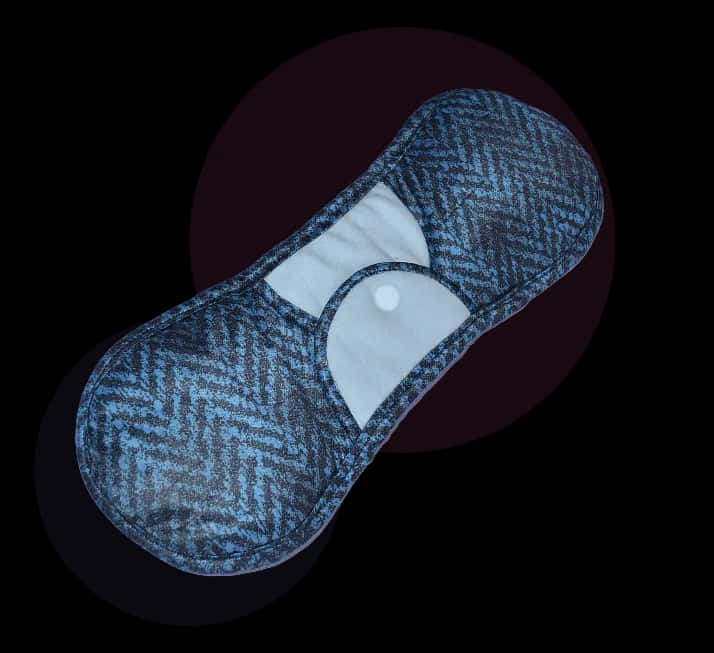
Our pads wey you fit wash


Benefits of Full Period Health Policy
To understand wetin Nigeria go gain from strong period health policies dey help build support for more advocacy and implementation.
Money Power and More Productivity
Full period health policy dey bring money benefits wey you fit measure. When girls stay for school during their period, dem dey finish more years of education. More education dey connect with higher earnings for life, later marriage and childbirth, and better money results for women and their families. Research from other African countries wey run period health programmes show say to reduce school absence wey period dey cause by just 20% fit increase women lifetime earnings by up to 12%.
For adult women, correct period health support for work place dey increase productivity. Women wey get clean facilities, fit change products for private, and fit manage pain without stigma dey perform better for work. For di other side, bad period health infrastructure dey cause absence from work and presenteeism, where women dey come work but dem no fit perform well. Some Nigerian companies don start to see dis, dem dey put period health policies like paid period leave and dem dey provide products for workplace toilets. Government policy fit make dis trend move faster.
For di big level, to tackle period poverty fit affect Nigeria GDP well well. When you calculate di effect of better education for girls, less absence for working women and less healthcare cost from period health complications together, di money reason for investment go strong. World Bank analysis suggest say to improve period health infrastructure for sub-Saharan Africa fit bring economic return of ₦5 for every ₦1 wey dem invest.
Better Health and Less Medical Complications
Strong period health policy dey prevent big health problems. When women no get safe products, dem go use dirty alternatives wey dey increase infection risk. Reproductive tract infections from bad period hygiene fit lead to serious complications like pelvic inflammatory disease, wey dey contribute to infertility. Nigeria don already dey face big maternal and reproductive health wahala; period health policy dey give risk factor wey we fit prevent and tackle.
Better period health education wey policy bring also matter well well. Plenty Nigerian women no get basic information about their menstrual cycle, when to go see doctor for symptoms wey no normal, and how period connect with fertility and overall health. Full period health education inside school curriculum and primary healthcare fit fill dis knowledge gaps. To find conditions like endometriosis, fibroids or hormonal imbalance early go possible when women understand wetin normal and wetin need medical consultation.
Also, period health policy dey tackle di mental burden wey period poverty dey bring. Di worry say you no fit afford products, di shame of blood wey pass enter cloth, and di stress of missing school or work dey really affect mental health. Policy wey make sure say products dey and wey make period normal dey help mental wellbeing and reduce stress wey come from gender.
Fairness for Education and Progress for Gender Equality
Maybe di benefit wey dey change things pass for period health policy na to push gender equality through education. Period poverty dey keep gender inequality directly because e make education harder to reach for girls than boys. Boy for Kano no dey miss school every month because school no make room for his body. Girl for di same classroom dey miss. Dis disadvantage dey pile up over years, and e dey contribute to Nigeria gender gaps for education, work and politics.
Period health policy fit break dis cycle. When schools get correct facilities and girls get di products wey dem need, period no go decide their education again. Girls go attend school steady, perform better for class and finish more years of education. Dem go enter adulthood with skills and certificates wey dey open doors. Di effect dey reach many parts of gender equality pass just school attendance.
Furthermore, when policy pay attention to period health, e dey challenge di bigger patriarchal norms wey dey treat women body as shameful thing wey need silence. When government make period health policies, run programmes and put budget, e dey send message say women body reality matter and e deserve public support. Dis culture change, even though e slow, dey help bigger gender equality because e dey accept women experience and needs as correct policy matter instead of private problem wey women suppose manage quietly.
Common Worries About Period Health Policy
As period health policy dey get attention, some worries and objections dey always come up. To answer dem honestly dey make di case for policy action strong.
"Nigeria Get Health Matters Wey Urgent Pass"
Di most common objection to period health policy na say Nigeria dey face health wahala wey serious pass, like women wey dey die for childbirth, malaria, HIV/AIDS and malnutrition, and say make dem put di small resources there instead of period. Dis argument fit look correct for outside but e stand on false choice. Period health no dey compete with other health priorities; e dey cross with dem.
Bad period hygiene dey contribute to reproductive health problems wey dey increase maternal health risk. Period health education dey give chance to talk about HIV prevention, family planning and reproductive health more broadly. Girls wey dey miss school because of period dey face higher risk of early marriage and childbirth, wey connect with women dying for childbirth. Period health no be separate matter but thread wey connect many health wahala.
Also, period health programmes no cost much compared to many health programmes. To provide correct school facilities and basic products cost far less than to treat reproductive tract infections wey we for prevent or to handle di effect of education wey stop halfway. Di return on investment high. To present period health as either/or with other priorities mean say person no understand how dem connect and how cost-effective e be to tackle am.
Finally, dis objection dey quietly accept say women and girls should continue to suffer for nothing because other problems dey. When half of di population dey face monthly wahala wey affect their education, work and wellbeing, dat one na urgent matter by definition. Di question no be whether Nigeria get other priorities, but whether e go continue to treat women health needs as less important than other concerns forever.
"Dis Na Culture Interference and Western Imposition"
Some critics dey present period health policy as Western cultural imperialism, dem argue say international organisations dey push dis agenda on Nigeria without respect for local values and traditions. Dis worry deserve respectful answer because cultural sensitivity matter, and some global health programmes don really ignore local context.
But to dismiss period health policy as Western imposition dey ignore say na Nigerian women and girls themselves dey lead dis advocacy. Organisations like SWAAN, Girls’ Rights Initiative and plenty grassroots groups no be foreign bodies but Nigerian organisations wey Nigerian women dey lead, wey dey respond to needs wey Nigerian women talk. When girls for Kaduna talk say dem dey miss school during their period, and when women for Lagos dey struggle to afford products, dis no be foreign idea but real Nigerian life.
Also, even though period dey happen to women everywhere, Nigerian advocacy dey stand clearly for local context. Di proposed policies no just copy Western models but dem dey tackle Nigerian wahala specifically: WASH infrastructure gaps, cultural taboos wey need careful handling, money reality including whether pipo fit afford, and weather factors wey dey affect product choice. Di goal no be to import Western period culture but to make sure Nigerian women fit manage their period with dignity using solutions wey fit their own situation.
Cultural traditions deserve respect, but no be all traditional practices dey help women wellbeing. Plenty Nigerian cultures for olden days dey teach girls about period through women circles and dey make sure say dem get cloth or other materials to manage am. Di stigma and silence no always strong like how e be sometimes now. Period health policy fit actually honour di tradition of women wey dey support each other, while e dey tackle modern barriers like products wey don turn to commercial goods and infrastructure gaps wey traditional systems no expect.
"Government No Fit Afford Free Products and Programmes"
Budget worries na real practical wahala. Nigeria economic situation hard, with plenty demands for di small public resources. Government fit really afford to give free period products for schools and public institutions as di proposed law talk?
Dis question need honest look at costs and priorities. To provide correct period health support need investment. But di costs dey lower than wetin pipo dey often think. Full programme wey go give free products for public schools, improve facilities and train teachers go cost about ₦15-20 billion every year, based on assessments from pilot programmes and number of students. Dis one na about 0.15% of Nigeria federal budget, small part compared to wetin dem dey give many other programmes.
Furthermore, di money wey e go bring back justify di investment. As we talk before, to keep girls for school dey bring big long-term money benefit wey pass di programme cost far. Even if you look am only from government purse side, period health spending dey pay for itself through more tax money from women wey get better education and higher lifetime earnings.
Other ways dey too apart from government to provide all products. Policies wey support local production of cheap products, tax exemptions wey make products easier to get, and public-private partnerships fit tackle period health without government carrying all di cost. Di proposed Menstrual Health Fund fit gather money from government, private sector and development partners, and create steady funding beyond yearly budget fights.
Di afford question na really about priorities. Nigeria dey find money for plenty programmes. Whether e go find money for period health depend on whether policymakers see women wellbeing as something wey worth investment. Countries wey get income per person like Nigeria or lower than Nigeria don run period health programmes, and dis one prove say will matter as much as money.
Why Sana Pads Dey Support Policy Advocacy and System Change
For Sana Pads, we dey make reusable sanitary pads, but our mission pass just to sell products. We know say to end period poverty for Nigeria need both quick solutions and long-term system change through government policies wey support am.
Since we start work, we don directly support pass 10,000 women and share more than 30,000 pads give schools, NGOs and individual women across Nigeria. Dis work don show us say even though good cheap products matter well well, access to products alone no fit solve period poverty. Girls wey collect free pads still need school facilities where dem fit change dem. Women wey buy products still need work places wey dey accept period without stigma. Cheap options still no dey reach families wey dey live on less than ₦500 every day.
Na why we dey actively support policy advocacy. We dey give data from our programmes to civil society organisations wey dey write laws. We dey join stakeholder consultations when government bodies want input on period health programmes. We dey share our production experience to help policymakers understand wetin possible for local production and supply chains. We believe say businesses wey dey work for period health get responsibility to contribute to policy environment, no be just to make profit from di gaps.
As we dey produce locally, we get special advantage. We understand Nigerian weather and how e dey affect product choice. We sabi di infrastructure wahala wey schools and health centres dey face. We dey work directly with women and girls across different regions, we dey learn di barriers wey dem dey face and di solutions wey really work for their situation. Dis ground-level knowledge dey make policy strong when policymakers listen to pipo wey dey do di work like us.
Di slow but steady progress for Nigeria period health policy dey encourage us. Each state programme, each reading of di national bill, each young activist wey dey demand change na movement toward Nigeria where no girl go miss school because of her period and no woman go choose between food and pads. We commit to dis bigger mission pass our own business success, because period with dignity suppose be right, no be privilege.
How To Start With Policy Advocacy and Support
Whether you be individual wey want contribute to policy change or organisation wey dey work on period health programmes, you fit take real steps to push dis agenda.
For Individual Advocates and Citizens Wey Care
You no need to be policy expert before you contribute to period health advocacy. Start by learning about di policies wey dey and di proposed laws. Follow organisations like SWAAN and Girls’ Rights Initiative for social media to sabi about advocacy campaigns and chances for public input. When dis organisations call citizens to contact lawmakers, take fifteen minutes send email or make call. Personal message from pipo wey lawmaker dey represent dey influence lawmakers more than advocacy groups sometimes think.
Share information for your network. Plenty Nigerians no even know say period health policy talk dey happen. Talk with friends, family and colleagues about period poverty and policy solutions. If you be parent, discuss dis matter with your children school and push for better facilities and programmes. If you dey attend religious services, think whether your faith community fit support period health programmes and still respect religious values about modesty and privacy.
Support businesses like Sana Pads wey join business with social mission. When you buy reusable pads, you no just solve your own need but you dey support business model wey put ending period poverty first. Our Premium Pads and Maxi Pads dey give quality options while our Starter Kit na cheap way to start for women wey new to reusable products. Every purchase dey help sustain our advocacy work and programmes wey dey support vulnerable girls.
For Organisations, NGOs and Pipo Wey Dey Run Programmes
If you dey develop period health programmes, think how your work fit contribute to bigger policy advocacy. Record di results well. When you run period health programme for school, measure di change for attendance, di effect for class performance and wetin students talk. Dis data go become evidence for policy advocacy, and e go show say investment for period health dey bring real results.
Partner with organisations wey focus on policy to make sure say your programme work dey guide di law-making efforts. Your experience from di field matter well well to develop policies wey real and wey go work. You sabi wetin dey work for Nigerian schools, di barriers wey dey, di training wey teachers need, and how approach wey fit di culture dey look. Share dis knowledge with advocacy groups wey dey write laws.
Think about bulk partnerships with local manufacturers like Sana Pads for your programmes. Schools, NGOs and other organisations fit order any quantity at di same fixed price for each pack. Our team fit also train teachers and students on how to use di products and on period health education. Dis partnerships dey support local production and make sure say programmes go continue after di first donor money.
Join or form coalitions with other organisations wey dey work on period health. Advocacy wey dey together dey work better than efforts wey scatter. Coalition members fit share responsibilities, share resources and give policymakers di same message. If no coalition dey for your state or region, think about to start di talk to form one. Action wey we do together dey create di steady pressure wey policy change need.
Make We Move Forward Together
Nigeria period health policy situation never complete but e fit change. Di gaps real: no full national policy, money no reach, enforcement weak, and gap between city and village still dey. But di progress also real: proposed law wey dey move for House of Representatives, state programmes wey dey show wetin possible, young activists wey no gree accept silence and stigma, and civil society organisations wey dey demand change steady.
Every policy progress start with women and girls wey talk their truth about how period poverty dey affect their life. Every budget wey dem allocate follow advocates wey show say period health matter for money, society and morals. Every reading of di bill show pressure wey pile up from citizens wey no gree make dis matter comot from agenda.
Your voice and action dey add to dis movement. Whether you contact your lawmaker, support local period health programme, share information with your community, or choose products from companies wey commit to end period poverty, you dey take part to create change. Policy fit look far from your own life, but at di end policies dey show di choices wey we all make about wetin we value and put first.
For Sana Pads, we go continue to make quality reusable pads, support distribution programmes and contribute our experience to policy development. We believe say Nigeria fit reach future where period health policies make sure say every girl stay for school, every woman get cheap and safe products, and period no dey keep poverty and inequality going again. We dey invite you to join dis mission. Contact us to sabi about bulk orders for schools and organisations, partnership chances, or how your voice fit support advocacy for stronger period health policies. Together, we dey build Nigeria where dignity during period no be policy argument but real life for everybody. Sabi more about how period poverty dey affect Nigerian women and how full solutions dey look, through our resources on period poverty for Nigeria.
Continue to read for Period Poverty for Nigeria
Questions wey pipo dey ask well well
Why I go choose Sana Pads instead of normal disposable pads?
Sana Pads dey made from good quality materials wey you fit use again, and dem be sustainable, eco-friendly alternative to disposable sanitary products. Dem dey gentle for your skin, dem dey absorb well well, and dem go save you money for long run. When you choose Sana Pads, you dey help reduce plastic waste while you enjoy comfort and pads wey you fit trust through your whole cycle.
How long I fit use Sana Pad before I need to wash am?
Sana Pad dey give you comfort and protection for 4 to 8 hours, depending on your flow. To stay fresh, change am every 4 to 6 hours, and more often for heavy days. After each use, rinse am for cold water and wash am with soap. If you take care of am well, each pad go last 2 to 3 years.
Sana Pads dey safe for sensitive skin?
Yes, Sana Pads dey made from soft materials wey dey breathe and wey no dey cause allergy (hypoallergenic), so dem dey gentle for your skin. Dem no get di harmful chemicals and toxins wey dem dey often find for disposable pads, so dem be correct choice for pipo wey get sensitive skin or allergies.
How I go clean and take care of my Sana Pads?
Rinse your pad for cold water immediately, because hot water dey make blood stain stick. Then wash am with mild soap, with hand or for machine, and rinse am till di water come out clear. Dry am well well for direct sunlight, wey also dey kill germs. Abeg no use tumble dryer, bleach or fabric softener: dem dey spoil di layers wey dey absorb. If you take care of am like dis, Sana Pad go last 2 to 3 years.
Price dey change if I order plenty?
No. Each product get fixed price for each pack, no matter how many packs you order. You fit calculate your total with our price calculator. For big orders, send us direct message and we go confirm di delivery cost with you before you pay.
Testimonials
See wetin our customers dey talk about our products.
Women for all over di world dey buy Sana

“I dey really love Sana reusable pads! Dem dey make me relax and feel free for my period time. Plus, dem don reduce the cost and stress of buying disposable pads every month well-well. Kudos to Sana for making dis kind correct product – I go be fan forever!”
“Sana Pad good well-well, e dey make you comfortable and free. I love the pads, na the best ever!”

“I don try different brands of reusable pad, but Sana stand out for the quality, the comfort and how e dey last. Dem design am with sense, and the material dey gentle for my skin. As I change to Sana, e don reduce how I dey spoil environment and e don also save me money for long run. I dey grateful for dis solution wey go last!”

“For first, e dey irritate me to use washable sanitary pad. I decide to try am, and to my greatest surprise, e comfortable well-well and e easy to wash. You fit even do your daily things without fear say blood go stain you for public. I wan give Big shout out to SANA PADS!!”

“To dey buy disposable pads every month dey add up well-well, so I talk say make I try Sana Pads. E surprise me how soft dem be, and dem dey work well for long days for university. To wash dem simple, and e don reach months wey I never buy new pad, so e don save me money. I also like say dem dey better for environment. E sweet me say I get option wey cheap and wey better for environment.”

“I don try different pad brands for years, but Sana pads really stand out. From the first time I use am, I see the difference — e soft for skin, e dey soak well-well, and e comfortable die. Even for my heaviest flow days, Sana pads dey hold well. Wetin I also love na how the material dey allow air pass and e good for skin. If you dey find pad wey get comfort, wey you fit trust, and wey get quality, I really recommend make you try Sana pads.”
Time to join hand
Contact Us
Margaret Ochegbudu
Business Manager