How WASH Facilities Dey Affect Period Poverty for Nigerian Schools
Where pipo don see us







 Margaret Ochegbudu don check am · Update 23 min to read
WASH mean water, sanitation and hygiene (water, toilet and cleanliness). If toilet wey you fit lock no dey, running water no dey, and place to throw used pads no dey, girl no fit manage her period for school no matter how many pads she get. Around three million Nigerian girls dey suffer because WASH facilities no dey for their schools.
How WASH and Period Poverty Dey Connect: Wetin Every Nigerian Suppose Sabi
WASH mean Water, Sanitation, and Hygiene – the basic things wey make am possible to manage period with dignity. When schools and communities no get correct WASH facilities, period poverty no go fit avoid, no matter how many pads girl get.
Main Tins Wey You Go Learn:
- Bad WASH facilities dey make around 3 million Nigerian girls miss school during their period every month.
- Only 26% of Nigerian public schools get separate toilet wey dey work for girls, with water and privacy.
- Girls need four
- important WASH things: clean water, private toilet space, place to throw used pads, and place to wash hand.
- For schools wey no get correct WASH, the number of girls wey dey come school dey drop by 20-30% for their period days every month.
- Bad WASH facilities dey make Nigerian girls lose on average 4-5 school days every month, wey reach 40-50 days every school year.
- To build correct period hygiene facilities for one school dey cost between ₦500,000-₦2,000,000 but e dey serve hundreds of girls every year.
- Communities wey get better WASH dey report 50% reduction for girls wey dey miss school because of period inside the first year.
Make we look exactly how WASH dey decide whether Nigerian girls fit manage their period safely and continue their school without wahala.
Blessing, wey be fourteen years, from Lagos wake up happy for her JSS 3 mathematics exam. She don study for weeks and she get confidence. But for middle of the morning, she feel the warmth wey she sabi, wey mean say her period don come when she no expect am. Her heart cut. Her school only toilet no get door, no running water, and no private space to change. Na 300 students dey share the pit latrine, with lock wey don spoil and no bin to throw used pad. Blessing stuff toilet paper inside her pant, waka comot from exam hall, and go house. She miss the whole test. Dis no be the first time, and e no go be the last. Blessing story no be only her own. Across Nigeria, millions of girls dey face dis same hard choice every month: go school during period and risk shame, or stay house and fall behind. How WASH facilities and period poverty connect na one of the barriers wey pipo dey overlook pass for girls education for our country.
The Strong Connection Between WASH Facilities and Period Health
Bad WASH no dey just make period uncomfortable – e dey turn period to crisis every month wey dey scatter education, health and dignity for millions of Nigerian girls.
Wetin Make WASH Facility Good Enough for Period Hygiene
Correct WASH facility for period hygiene pass just to get toilet. Think am like to cook jollof rice – you no fit cook am well with only rice. You need correct pot, clean water, oil, tomato and seasoning wey dey work together. Na so too, to manage period hygiene need many things wey dey work together.
First, you need privacy. Dis one mean toilet with door wey dey lock, wall wey reach ground and ceiling, and separate toilet for girls and boys. For Kaduna, researchers find say 68% of secondary school girls talk say their school toilet get door wey don spoil or no door at all. Na so dem expect these girls to manage their period for place where anybody fit enter anytime.
Second, you need clean running water. Girls must wash their hands before and after dem change their period product, wash pads wey you fit wash use again if na im dem dey use, and keep basic hygiene. But according to UNICEF data from 2024, only 31% of Nigerian schools get handwashing place wey dey work with soap and water. Without water, girl wey dey use pads wey you fit wash no fit rinse dem well. Without place to wash hand, she dey risk infection every time she change pad.
Third, you need correct place to throw used pads. Dis one mean bin wey get cover inside the toilet, no be outside where everybody go see wetin you dey throw. The bin suppose get nylon inside, dem suppose dey empty am regular, and throw wetin dey inside away safely. For most Nigerian public schools, these bins no just dey.
How Bad WASH Dey Cause Period Poverty
Period poverty no be only say pads no dey. Na say everything wey make am possible to use pad no dey. Girl for Port Harcourt fit collect free pads from NGO, but if her school no get private place to change dem, no water to wash her hands, and no bin to throw used ones, those pads go almost no get use.
Look wetin dey happen for real life. Chioma dey attend public secondary school for Enugu wey get 450 students and only two toilet. During break time, the line long reach across the compound. If Chioma need change her pad, she must wait for line wey everybody dey see, then rush change am under two minutes before the next person start to knock the door hard. Water no dey to wash her hands, so she wrap the used pad for paper and carry am back to class inside her bag because bin no dey. She go carry am go house later, but everybody don see her as she dey carry something from toilet, and the gossip begin.
Dis situation dey force girls make hard choice. Many girls just stop to drink water for school so dem no go need toilet. Dis lack of water for body dey cause headache, e dey make am hard to concentrate, and during period, e fit make cramps worse. Other girls dey skip school finish during their period. Research from Kano State University find say 73% of secondary school girls wey dem ask don miss at least one school day because WASH facilities no good during their period, no be because dem no get period products.
Money matter dey add to am. When WASH facilities no get water, girls wey dey use pads wey you fit wash no fit wash dem for school. Dem go force dem buy disposable products instead, even when dem no get money. Dis one dey create cycle where bad facilities dey make the cheaper, sustainable option impossible to use, and e dey push families to spend money again and again wey dem no fit carry.
Health Problems Wey Dey Come When You Manage Period Without Correct WASH
When girls dey manage period without correct WASH facilities, health risk dey increase quick. Infection for reproductive tract, urinary tract infection and skin irritation dey become common. These no be small discomfort – dem be serious health condition wey fit affect fertility and long-term wellbeing.
Without clean water and place to wash hand, bacteria dey move easy. Girl touch dirty pad, she no fit wash her hands, then she chop her lunch. Or she use pad longer than e safe because to change am for school too hard. For Lagos, one 2025 study by Nigerian Institute of Medical Research find say girls for schools wey get bad WASH facilities dey get reproductive health infections 3.4 times more than girls for schools wey get correct facilities.
The effect for mind deserve the same attention. Fear of leak, fear of shame, and stress about how to manage period for hard condition dey affect mental health and learning. Teachers for Abuja talk say girls wey dey normally active for class dey become quiet and dey keep to themselves during their period, dem go sit stiff for their seat, dey fear to stand up or move. Dis one no be only about comfort – na about whether girls fit take full part for their own education.
How Correct WASH Facilities Really Look Like
Correct period hygiene facilities no be luxury – dem be basic things wey make school possible for girls for the whole month.
The Basic Things Wey Must Dey
Correct WASH facility for period hygiene get some things wey must dey. The toilet must get door wey dey lock from inside, to give full privacy. The wall suppose reach from floor to ceiling without space. Inside the toilet, hook suppose dey to hang bag, small shelf to put clean pads, and bin wey get cover with nylon inside.
Running water must dey either inside the toilet or just outside am, with handwashing place wey get soap. The water no need dey flow every time – big drum with tap dey work well for areas where water no dey always. Many schools for northern Nigeria don use dis system well, dem dey fill big drums when water dey.
How many toilets dey for how many students matter well well. International standard talk say one toilet for every 25 girls for schools. Most Nigerian public schools no reach am at all. For Oyo State, the average na one toilet for 87 students. Even when toilets dey, many no dey work because pipe don spoil, nobody dey maintain dem, or water no dey.
Design Wey Respect Our Culture
WASH facilities for Nigeria must consider culture and religion. For northern states where many communities dey follow Islamic practice, water for cleansing dey very important. Girls need water no be only to wash hand but to clean their body as their religion talk.
Privacy dey even more important for conservative communities. Some schools don use design where dem cover the entrance to girls toilet from general view, so girls fit enter and comot without the whole school compound seeing dem. Dis simple change make girls use toilet much more during period for schools across Kano and Sokoto states.
How to throw waste away must also follow culture. For some communities, period waste na very private matter, and girls dey shame even to think say male cleaner go handle the bin. Schools wey make system where female staff or senior girls dey take turn to handle the bins see say girls dey use bin much more, and fewer pipo dey throw pads for bush or pit latrine.
Cheap Solutions Wey Dey Work Where Money No Plenty
Correct WASH no need expensive building. Nigerian schools don bring many cheap solutions wey dey work well. For Rivers State, some schools build simple handwashing place with big plastic drum wey dem put on top stand, with tap near the bottom. Students dey take turn to fill the drums every morning. The total cost: around ₦15,000 for each one.
To throw pads away, schools don use strong bucket with cover wey close well, with nylon inside. One school for Imo State paint these buckets one special colour and put dem inside the toilets. Female teachers dey empty dem every day inside bigger bin wey get cover, and waste management dey carry am every week. The starting cost no reach ₦8,000 for materials wey serve 200 girls.
To add privacy fit cheap well well. Schools don use zinc, plywood, or even plant shrubs wey dey grow fast to cover place. For Benue State, one school spend ₦50,000 on materials and use parents wey volunteer to do the work to put doors for three toilets wey no get door before. The change for how girls dey use toilet during school hours big well well and dem fit measure am.
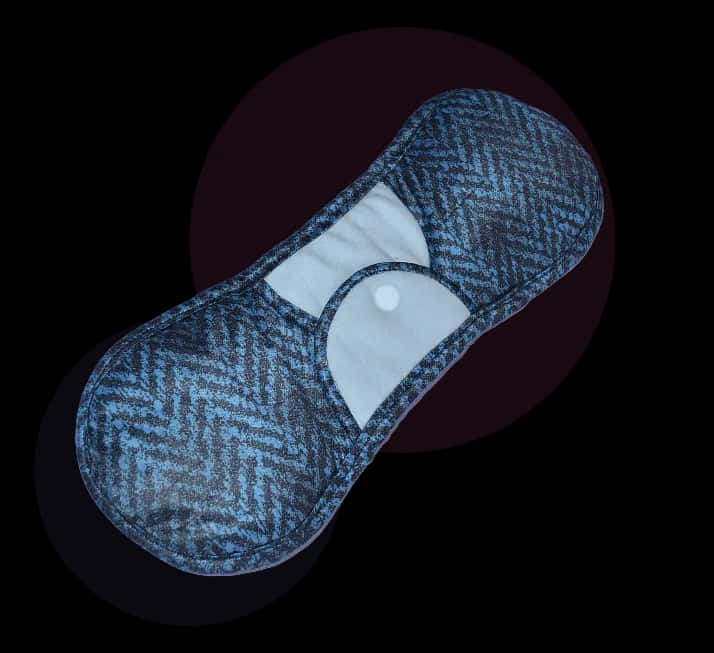
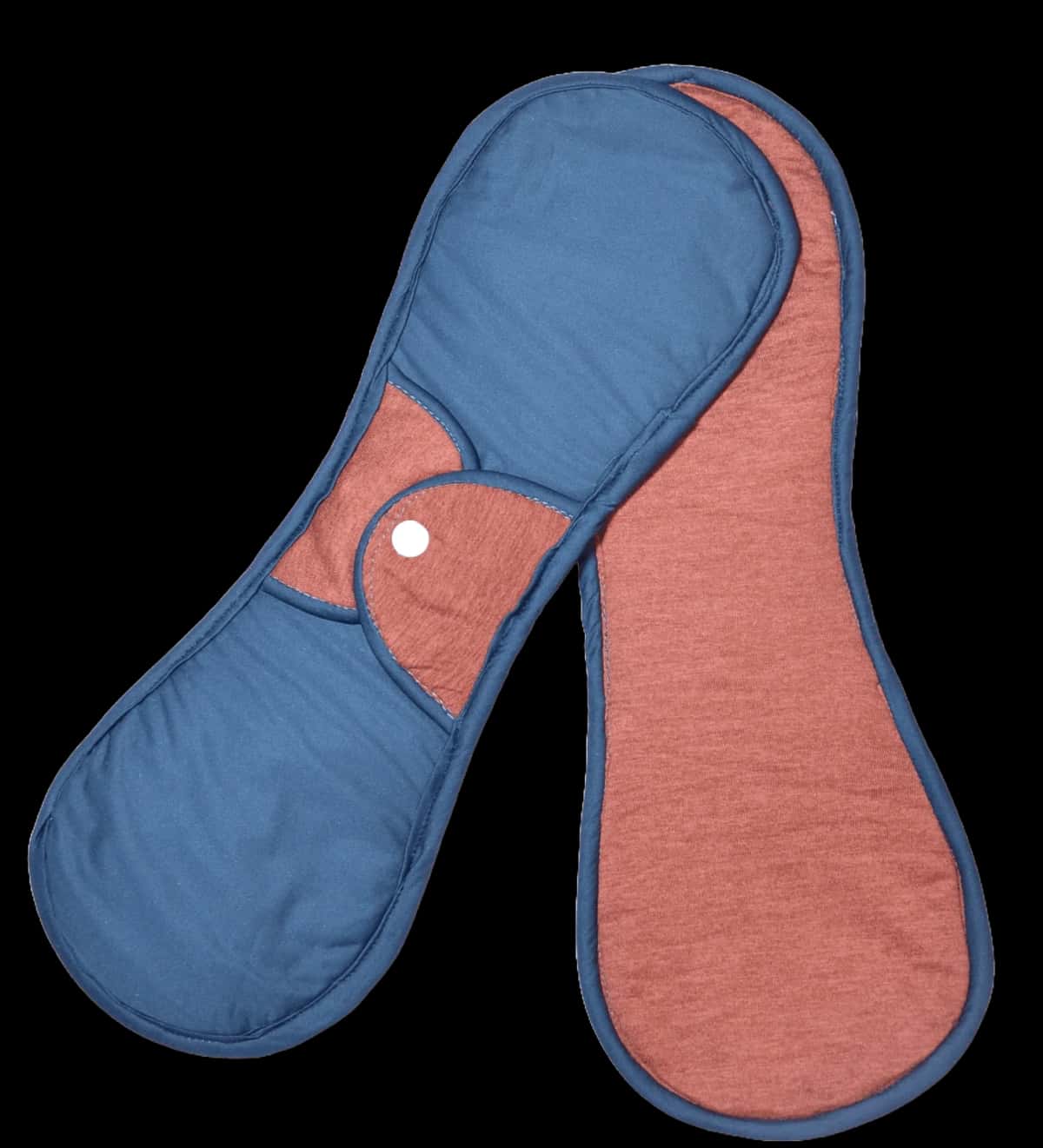
Our pads wey you fit wash

How Better WASH Dey Help Education and Wellbeing Everywhere
When schools put money for correct WASH facilities, the benefit pass period hygiene go reach every part of girls education and development.
School Result and Coming to School
WASH facilities and school result connect directly and you fit measure am. When Premiere Urgence Internationale do WASH and period hygiene programme for 15 schools across Borno State for 2024, dem see big change. Schools wey get better WASH facilities and period education see say girls wey dey come school increase by 26% for the two weeks every month when girls fit dey see their period. For one school year, dis one mean say girls get extra 40 days of learning.
The impact pass just to dey for class. Girls wey no dey fear leak, wey fit change pads well when dem need am, and wey no dey lack water for body because dem dey avoid water, dey take part more for class. Teachers for the programme talk say girls dey ask more questions, dey volunteer for demonstration, and dey move free for classroom during practical. Test scores for mathematics and science go up by 14% on average for the year after WASH improve.
The long-term education road dey change well well. For Nigeria, many girls wey dey always miss school during period go later stop school finish. Dem fall behind too much to catch up, dem fail promotion exam, or dem just lose confidence for their book. One long study from University of Ibadan wey follow girls for three years find say schools wey get correct WASH facilities get 31% more girls wey finish secondary school pass similar schools wey no get correct facilities.
Better Health and Dignity
Correct WASH facilities dey reduce reproductive health infections among school girls well well. Lagos State Ministry of Health follow infection numbers for school clinics before and after WASH improve for 23 schools. Urinary tract infections among female students drop by 58% for the first year. Reproductive tract infections reduce by 47%. These no be just numbers – dem mean thousands of girls wey escape painful infection, school days wey dem for miss to go clinic, and the cost of medicine wey many families dey struggle to pay.
Dignity dey change everyday life. Girls for schools wey get correct WASH facilities dey talk say dem dey feel “normal” during their period instead of fear and shame. Dem talk say dem fit focus on learning instead to dey check their body every time for leak. For focus groups wey dem do for Ogun State, girls dey talk again and again things like “I dey feel free,” “I fit be myself,” and “I no dey fear again” when dem dey describe the change after their school build correct period hygiene facilities.
Dis change for mind dey affect confidence pass school. Girls wey dey manage period well for school dey carry that confidence go other parts of life. Dem dey more likely to join activities outside class, take leadership role, and talk for themselves. Youth counsellors for Abuja notice say girls from schools wey get good WASH facilities dey more likely to join debate clubs, sports teams and student government.
Benefit for Environment and the Whole Community
Better WASH facilities dey bring environment benefit wey pipo no expect. When schools no get correct way to throw waste, period waste dey end up for pit latrine where e no dey rot well, for bush where e dey cause health danger, or dem dey burn am for open place wey dey bring poison smoke. Correct system with regular waste collection dey remove these problems.
Schools wey build place to wash pads wey you fit wash use again see say plastic waste reduce well well. One school for Plateau State calculate say after dem build place to wash pads and share pads wey you fit wash to students wey want dem, period waste wey dey go dumpsite reduce by around 60%. Dis environment benefit come with money savings for families wey fit now choose the cheaper option wey you fit wash.
The impact for community pass school gate. When schools show correct way to manage period hygiene, communities wey dey around dey notice. Parents see say correct WASH dey make period easy to manage and dem start to demand similar facilities for their houses and communities. For some LGAs for Ekiti State, WASH improvement for schools start community projects to improve toilet for houses and put handwashing place for market.
Answer to Wetin Pipo Dey Worry About WASH Improvement
Many schools, communities and even policymakers dey raise similar worries when dem dey talk about WASH improvement. These worries deserve honest answer wey make sense.
"We No Get Money for These Improvements"
Dis worry na real – Nigerian public schools dey usually run with small small budget, and to add WASH facilities dey look like e no possible. But the cost no high like many pipo dey think, especially if you do am step by step and community join hand.
Full WASH upgrade for medium-size school dey usually cost between ₦500,000 and ₦2,000,000, depending on wetin don already dey and the cost of material for the area. E sound like plenty money, but when you divide am by student and by year, e dey easier. School wey get 300 female students wey spend ₦1,200,000 on full WASH improvement dey invest ₦4,000 for each girl. Those girls go use these facilities for their whole school time, so the cost for each student every year small well well.
More important, schools no need do everything at once. To do am step by step dey work well. Phase one fit focus on doors, locks and basic privacy wey cost around ₦100,000-₦200,000. Phase two go add bins and handwashing place for another ₦80,000-₦150,000. Phase three go handle water storage and pipes as money dey come. Some schools for Nasarawa State use dis way well, dem finish full upgrade inside 18 months with money wey dem save and small grants.
When community join hand, cost dey reduce well well. When schools for Cross River State involve PTA, local artisans give their skill free, parents give materials, and community members do the work. Projects wey for cost ₦800,000 with contractors, dem finish am for ₦300,000 for materials only. Because community see am as their own, dem maintain am better and the solution last longer.
"Culture and Religion Make Dis Matter Too Hard to Talk About"
Many school heads, especially male principals and education officers, no dey comfortable with period hygiene matter, dem believe say e too sensitive or e no fit for school talk. Dis worry dey often stop any action at all.
The truth be say if you ignore period, e no go disappear – na just say girls go suffer for quiet. Culture and religion no dey against period hygiene; dem actually demand am. Islamic teaching dey emphasize cleanliness and correct hygiene during period. Christian tradition dey value dignity and to care for others. Traditional Nigerian cultures, even with some taboos, always get their own way to manage period, even if pipo no dey talk am for open.
The main thing na to approach the matter with respect and involve the correct pipo. Schools no need male principals to lead period health talk. Female teachers, school nurses and community health workers fit handle education and how to manage the facilities. For Zamfara State, schools wey give female vice principals the work to lead WASH improvement projects talk say everything go smooth and community no resist.
Religious leaders, when you involve dem well, dey often support am. For Kano, school heads wey consult local imams before dem start period hygiene programmes get full support, and the imams even repeat hygiene message during Friday prayers. The imams talk say to provide clean water and private toilet agree well well with Islamic teaching on cleanliness and caring for community members.
The culture respect wey dey needed simple: privacy for the design, women to manage am, respectful language for education, and to understand say period na health matter, no be secret wey dey shame person. Schools for every region of Nigeria don do am well, and dis show say culture no dey stop action – e just dey shape how you go take do am.
"Pipo Go Spoil Am, Tiff Am, or Nobody Go Maintain Am"
Dis worry come from real experience. Many Nigerian schools don see buildings wey dem invest for spoil quick because pipo destroy am, tiff am, or nobody maintain am. Why put money for WASH facilities if dem go just spoil?
Maintenance wahala na real, but e get solution. Schools wey dey maintain WASH facilities well get some things wey dem dey do the same way. First, dem dey make students feel say na their own. When schools for Anambra State form “WASH clubs” with girl leaders wey dey check the facilities, report problems and teach their mates, destruction almost stop finish. Girls protect facilities wey dem feel say belong to dem.
Second, dem dey plan for maintenance from the beginning. Dis one mean to choose strong materials wey local pipo fit repair, instead of fancy imported things wey dey break easy. Simple tap and bucket system easy to maintain pass complicated pipes wey need special parts. Schools suppose budget every year for maintenance – even just ₦50,000 every year go cover most repairs and things to replace.
Third, dem dey make clear who get which responsibility. One female teacher suppose dey oversee period hygiene facilities as part of her work. Senior girl students fit take turn to check am every day. The PTA or school management committee suppose check how the facilities be every month. When everybody sabi who get the work, things dey get done.
Fear of thief dey usually concern expensive things like metal tap or mirror. Schools don solve am by using material wey no cost much but dey work. Plastic tap cost ₦500 and e dey work well. E no worth to tiff. Bins fit be simple bucket instead of expensive stainless steel. Wetin matter na say e dey work, no be how e fine.
Why Sana Pads Dey Push for Better WASH Facilities
For Sana Pads, we learn early say to share pads wey you fit wash use again without solving WASH problem na only half of the problem. Girl wey get correct pad still no fit manage her period with dignity if she no get private place to change am, no water to wash am, and no place to throw waste.
Na why our work pass making and sharing pads. For the past years, we don directly support more than 10,000 women and share more than 30,000 pads across Nigeria. But e dey equally important say we don partner with schools and NGOs to check and improve WASH facilities as part of full period health programmes. We dey give technical advice on how to design facilities, we dey connect schools with cheap solutions, and we dey share the best ways from communities across Nigeria wey don improve their facilities well.
We design our pads specially for Nigerian reality, including WASH wahala. Our pads wey you fit wash use again dey work well even when washing place no too good – you fit hand-wash dem inside bucket, dem dey dry quick for our weather, and dem dey work for years with basic care. We dey design with the understanding say many girls dey wash their pads for house, no be for school, because school WASH facilities still no good. But we also dey push hard make dem improve those facilities so girls go get real choice.
As Nigerian manufacturers, we understand weather wahala – the wetness for air wey dey affect drying, the heat wey make comfort important, the lack of water for many regions. We dey work directly with schools to solve problems, because we sabi say WASH solutions must fit local condition. When schools for the north dey struggle with water, we dey help dem design storage systems. When schools for coastal areas dey face wet air, we dey discuss options wey dey dry quick.
Our mission na to end period poverty finish, no be only to provide products. Dat one mean to face every barrier – cost, knowledge, culture taboos, and very importantly, facilities. We believe say every Nigerian girl deserve to manage her period safely, privately and with dignity. Dat one no possible without correct WASH facilities, so we go continue to push, teach and support communities wey dey work for full solutions.
How to Take Action to Improve WASH and End Period Poverty
To understand the problem na the first step. Action dey come next, and e get practical ways wey individuals, schools and organisations fit take make real progress.
For Parents and Individual Community Members
If you be parent or community member wey dey worry about WASH facilities for your local school, you get power pass wetin you fit think. Start by visiting the school and ask make dem show you the girls toilet. Many principals never check these places by themselves and dem no sabi how dem be. Just your question fit make dem take action.
Talk with your daughter or other girls for community about wetin dem dey experience. Ask clear questions: You fit change your pad privately for school? Water dey to wash hand? Where you dey throw used pads? Their answers go show the real situation pass wetin school heads fit report.
Join or wake up your Parent-Teacher Association. PTA fit organise fundraising specially for WASH improvement. One school for Ogun State raise ₦400,000 for one community fundraising day, enough to build two new toilets with correct doors, bins and handwashing place. Small money from many families dey add up quick.
For individual girls and women, to choose pads wey you fit wash use again like Sana products fit help you manage bad WASH condition while you dey work for improvement. One 3-pack of our Premium Pads cost ₦4,000 and e go give you around six months to manage your period. Premium Pads with one layer wey no dey leak and three soaking layers dey handle regular flow well, and over time dem dey cheap pass disposable products by 70-85% on average. Even when school facilities no perfect, to get pads wey you fit trust, wey you fit wash and care for for house, dey give you security and dey reduce the money pressure every month wey dey make period poverty worse.
For Schools, NGOs and Community Organisations
Schools and organisations fit follow clear steps to improve WASH. Start with correct check using simple checklist: How many girls? How many toilets wey dey work? Privacy dey? Water dey? Place to throw pads dey? How dem dey maintain am now? Dis starting point go let you measure progress and see wetin to do first.
Make step-by-step improvement plan with community input. Involve female teachers, senior girl students and PTA members for the planning. Dem understand the needs and challenges pass planners from outside. Set timelines and budget targets wey make sense for each step.
Partner with organisations wey dey focus on WASH and period health. Groups like WaterAid Nigeria, UNICEF and local NGOs dey often give technical support, connect you to funding, or partner to do the work together. Sana Pads dey work directly with schools and organisations wey dey run period health programmes, dey supply products, teaching materials and advice on WASH facilities.
Organisations fit order as many packs as dem need for our fixed price per pack, with delivery to any state for Nigeria. Our products dey serve different needs: No Wahala Pads with one layer wey no dey leak and one soaking layer good for light flow days and young girls wey just dey start to see period. Premium Pads with three soaking layers dey handle regular flow for most women. Maxi Pads with five soaking layers dey serve heavy flow days and women wey need more soaking. To choose the correct products for the pipo wey you wan reach go give the biggest impact and satisfaction.
Write down and share your success. When your school or organisation improve WASH facilities, measure the result – change for attendance, health result, wetin students talk. Share these stories with other schools, local government education authorities and media. Success stories dey make others copy am and fit bring money for bigger work.
Contact Sana Pads to discuss how we fit support your period health programme with products, education and WASH advice. Whether you dey equip one school or you dey plan project for many communities, we go work with you to design solutions wey fit your situation, budget and goals. Together, we no dey just share pads – we dey build the full foundation of dignity wey every Nigerian girl deserve.
Make We Move Forward Together
WASH facilities and period poverty no fit separate. No amount of free pads fit remove the barrier of schools wey no get private toilet, running water or place to throw pads. But the other side true too – very good WASH facilities no fit help girls wey no get cheap period products to use for those facilities.
Full solutions need both facilities and products. Dem need respect for culture and bold advocacy. Dem need community action and change for policy. Most important, dem need us to understand say period hygiene no be luxury or favour – na basic need for equal access to education and opportunity.
The good news be say progress possible and e no too cost. Schools across every Nigerian state don show say even communities wey no get plenty money fit create place where girls go manage period with dignity. Every facility wey dem improve mean tens or hundreds of girls wey go stay for school, learn well, and build better future.
Whether you be parent wey dey fight for your daughter school, teacher wey dey push for better facilities, NGO wey dey design community programmes, or student wey don decide to bring change, your voice and action matter. Period poverty wey bad WASH facilities dey cause no be something wey must happen – na problem wey get solution if we work together and no stop.
Start from where you dey with wetin you get. Visit facilities. Ask questions. Join planning committees. Contribute to fundraising. Choose sustainable products. Share information. Every action dey spread. Correct WASH facilities and the fight against period poverty for Nigeria need all of us to work together till the day when no Nigerian girl go miss school or opportunity just because she dey see her period. That day dey come, and we dey build am together, one better facility and one girl wey we support at a time.
Continue to read for Period Poverty for Nigeria
Questions wey pipo dey ask well well
Why I go choose Sana Pads over normal disposable pads?
Sana Pads dey made from high quality material wey you fit wash use again, and dem be sustainable option wey dey friendly to environment instead of disposable pads. Dem dey gentle for your skin, dem dey soak well well, and dem dey save you money for long run. When you choose Sana Pads, you dey help reduce plastic waste while you dey enjoy comfort and pads wey you fit trust for your whole period.
How long I fit use one Sana Pad before I need to wash am?
One Sana Pad dey give you comfort and protection for 4 to 8 hours, depending on your flow. To stay fresh, change am every 4 to 6 hours - more often for heavy days. After each use, rinse am for cold water and wash am with soap. If you care for am well, each pad go last 2 to 3 years.
Sana Pads dey safe for sensitive skin?
Yes, Sana Pads dey made from soft material wey air fit pass and wey no dey cause allergy (hypoallergenic), so dem dey gentle for your skin. Dem no get the harmful chemicals and toxins wey dey usually dey inside disposable pads, so dem be correct choice for pipo wey get sensitive skin or allergy.
How I go take clean and care for my Sana Pads?
Rinse your pad for cold water immediately - hot water dey make blood stain stay. Then wash am with mild soap, with hand or for machine, and rinse am until the water clear. Dry am finish for direct sunlight, wey dey also kill germs. Abeg no use tumble dryer, bleach or fabric softener: dem dey spoil the soaking layers. If you care for am like dis, one Sana Pad go last 2 to 3 years.
The price dey change for bigger orders?
No. Each product get fixed price per pack, no matter how many packs you order. You fit calculate your total with our price calculator. For big orders, send us direct message and we go confirm the delivery cost with you before you pay.
Testimonials
See wetin our customers dey talk about our products.
Women for all over di world dey buy Sana

“For first, e dey irritate me to use washable sanitary pad. I decide to try am, and to my greatest surprise, e comfortable well-well and e easy to wash. You fit even do your daily things without fear say blood go stain you for public. I wan give Big shout out to SANA PADS!!”

“I dey really love Sana reusable pads! Dem dey make me relax and feel free for my period time. Plus, dem don reduce the cost and stress of buying disposable pads every month well-well. Kudos to Sana for making dis kind correct product – I go be fan forever!”
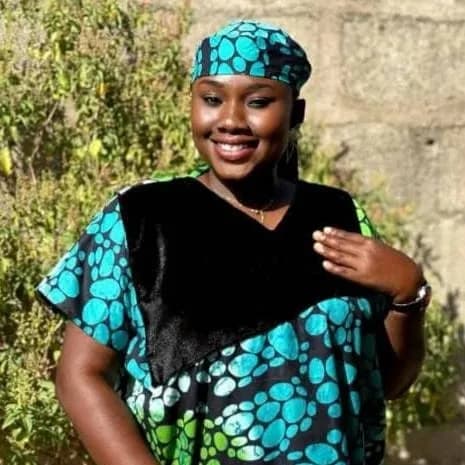
“Sana Pad good well-well, e dey make you comfortable and free. I love the pads, na the best ever!”

“I don try different brands of reusable pad, but Sana stand out for the quality, the comfort and how e dey last. Dem design am with sense, and the material dey gentle for my skin. As I change to Sana, e don reduce how I dey spoil environment and e don also save me money for long run. I dey grateful for dis solution wey go last!”

“To dey buy disposable pads every month dey add up well-well, so I talk say make I try Sana Pads. E surprise me how soft dem be, and dem dey work well for long days for university. To wash dem simple, and e don reach months wey I never buy new pad, so e don save me money. I also like say dem dey better for environment. E sweet me say I get option wey cheap and wey better for environment.”

“I don try different pad brands for years, but Sana pads really stand out. From the first time I use am, I see the difference — e soft for skin, e dey soak well-well, and e comfortable die. Even for my heaviest flow days, Sana pads dey hold well. Wetin I also love na how the material dey allow air pass and e good for skin. If you dey find pad wey get comfort, wey you fit trust, and wey get quality, I really recommend make you try Sana pads.”
Time to join hand
Contact Us
Margaret Ochegbudu
Business Manager