How to Change to Sustainable Period Products for Nigeria
Where pipo don see us







 Margaret Ochegbudu don check am · Update 16 min to read
Change small small: first buy two or three pads wey you fit wash use again and use dem for your light days, while you still keep disposables as backup. Once you sabi how dem fit and how to wash dem, build am up to five to seven pads for one full cycle. Most people wey drop reusables do am because dem start with pads wey no reach.
Wetin You Go Learn About Sustainable Period Products
To change to sustainable period products no be only environment choice. Na practical decision wey dey affect your health, your money and how comfortable you dey every day.
Main Points:
- Reusable pads dey last 2-3 years, and dem dey save you between 60-80% compared to buying disposables every month for current Nigerian prices.
- Sustainable options like cloth pads dey remove contact with chemicals wey dey inside some normal disposables.
- One reusable pad dey stop about 120-150 disposable pads from entering Nigerian dumpsites for di whole time wey e go last.
- Average Nigerian woman dey spend ₦9,600-₦15,000 every year on disposable products, while complete reusable starter kit cost ₦7,500-₦12,000 and e go last for years.
- Sustainable products wey dem make here dey designed for Nigeria hot, humid weather and dey handle specific wahala like water scarcity and light wey no dey steady.
- Organisations wey dey support pass 10,000 Nigerian girls with reusable pads report say school attendance and confidence during period don improve.
Make we see exactly wetin sustainable period products be, why dem make sense for Nigerian women, and how to change without wahala.
Cynthia sidon for her bed for her apartment for Abuja, dey look di heap of used disposable pads wey she wrap inside black nylon bags and push under her sink. Every month, di same routine: buy one pack for ₦800, use dem once, throw dem away, repeat. She be 28, and she don dey see period for fifteen years. Dat mean about 180 packs of disposables, almost ₦150,000 wey she don spend, and thousands of pads wey dey sit for one dumpsite somewhere. When her younger sister come back from university dey talk about reusable pads, di first thing wey Cynthia think na “e no clean.” But after she calculate how much she go spend for period for di next twenty years – pass ₦400,000 – she decide to learn more. Wetin she discover change no be only her monthly routine, but her whole view about waste, health, and wetin period fit cost her future.
To Understand Sustainable Period Products
Sustainable period products na things wey you fit use again, wey dem design to manage your period without to create waste after each use. E no be like disposable pads and tampons wey you dey throw away after some hours, sustainable options fit wash, dry and use again for years.
Think am like dis: you no go buy new clothes every day and throw dem away after you wear dem once. Sustainable period products follow di same logic. Dem make dem from strong materials wey fit carry washing, and dem go still absorb well and no go leak through hundreds of uses.
Why Old Disposables Dey Cause Problem
Most disposable pads get plastic – for di back, for di wings, sometimes even for di top layer. One disposable pad fit get plastic wey reach four plastic bags. For Nigeria hot weather, dis plastic dey break into microplastics wey dey spoil soil and water. Since we no get waste management everywhere, especially outside big cities like Lagos and Abuja, dis pads dey often end for gutters, streams, or dem dey burn dem for open fire, wey dey release poison chemicals.
Di money burden serious too. If you dey use 20 pads for one cycle and each pack of 10 cost ₦400-₦500, you dey spend ₦800-₦1,000 every month. For one year, na ₦9,600-₦12,000. For woman wey dey see period from age 13 reach 50, e fit be ₦355,000-₦444,000 wey she spend on something wey she use once and throw away.
Apart from money and environment, health matter dey. Some disposable products get fragrance, dye and bleaching agents. Di plastic for di back also dey hold heat and moisture, wey fit no comfortable for Nigeria weather and fit help bacteria grow.
How Sustainable Products Dey Work
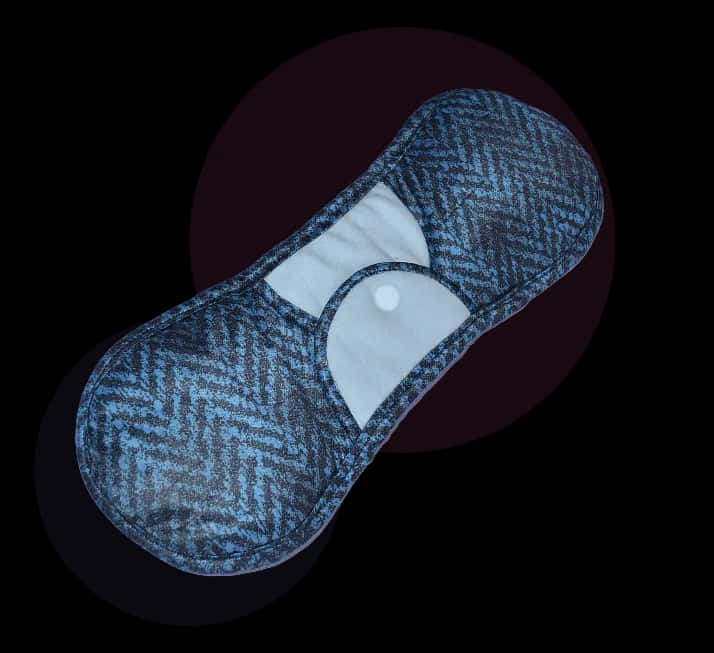
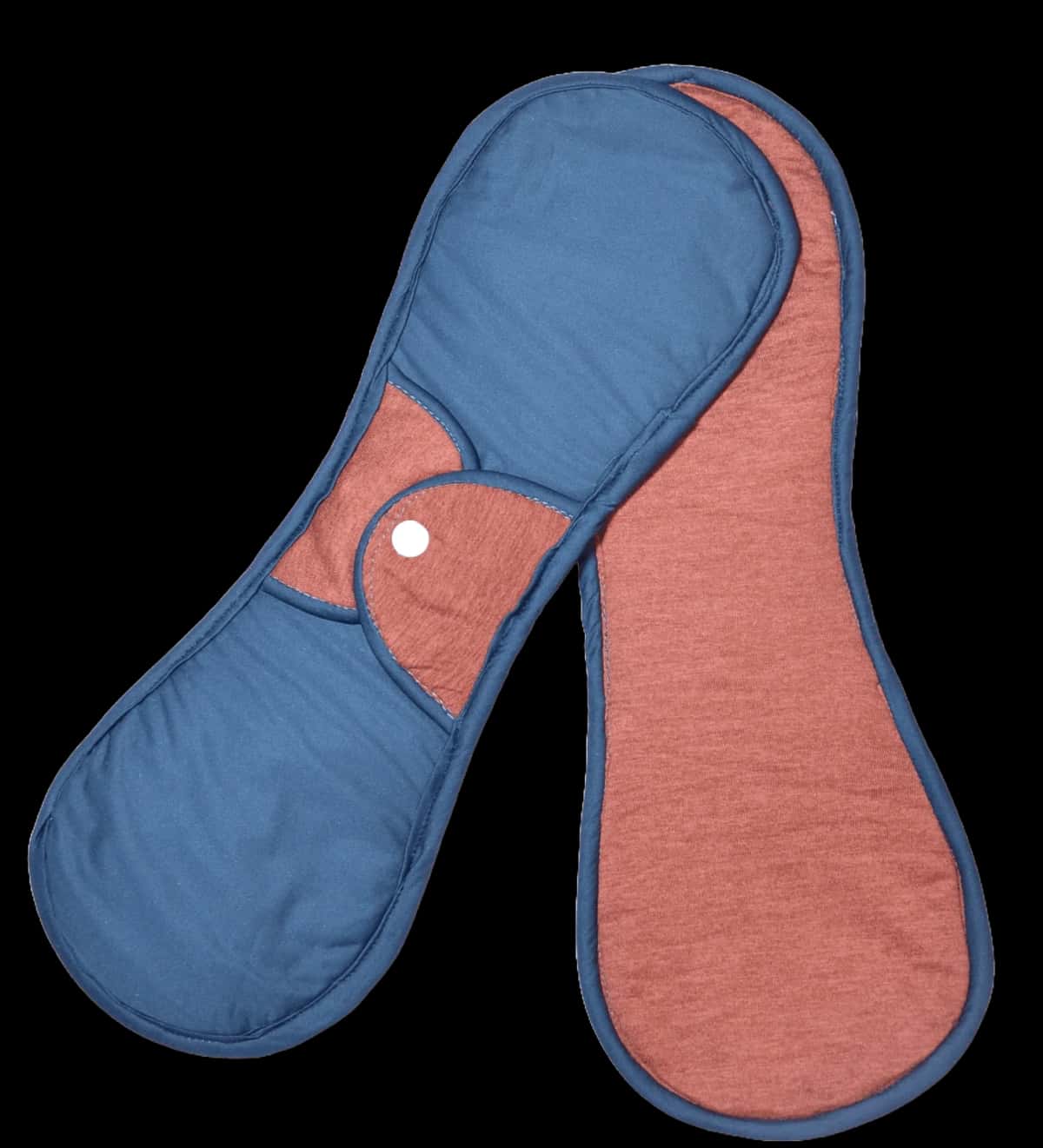
cloth wey dey breathe wey dey stop leak. Di middle layers na materials wey dey absorb well like cotton, bamboo or microfiber wey dey soak period blood. Di top layer na soft cloth wey dey pull moisture away so you go dey feel dry.
Quality reusable pads get wings wey dey snap round your pant, just like disposables. Di difference be say after 4-6 hours, instead of to throw di pad away, you go rinse am for cold water, wash am with soap, dry am for sun, and use am again. Good reusable pad fit last 2-3 years if you take care of am well.
Di sustainable option wey people like pass for Nigeria na cloth pad, because e no need big change for how you dey do things. If you sabi use disposable pad, you sabi use reusable one. Di only difference na to wash instead of to throw away.
Make We Break Down di Money Matter
Make we talk numbers wey make sense for Nigerian homes. Starter set of three quality reusable pads cost about ₦7,500-₦10,000. Dis three pads, if you rotate dem well, fit handle average period cycle.
Disposable pad cost every year: ₦9,600-₦15,000 (if na ₦800-₦1,250 every month)
Reusable pad cost for 3 years: ₦7,500-₦10,000 first investment, small cost to replace
Savings for 3 years: ₦18,300-₦35,000
For family wey get three daughters or women wey dey see period, di savings go multiply well well. Dat na money wey fit pay school fees, start small business, or build emergency savings.
If you dey Lagos where pack of quality disposables fit cost ₦1,200-₦1,500 for peak times, your savings go even big pass. Di money case go strong pass when you think about inflation and how currency dey go up and down. Price of imported disposables dey rise as Naira value dey change, but your one-time investment for reusable products go remain di same.
To Make di Change: Practical Guide
To change to sustainable period products no need to happen overnight. Plenty Nigerian women dey succeed when dem change small small, as dem dey build confidence and dey manage di money.
Start Small: Di Mixed Way
Start by using reusable pads for house and keep disposables for when you go out. Dis one go make you comfortable with di washing routine without fear about to change pads for public toilets wey fit no get enough water or privacy.
Choose your lightest flow days to try am. Plenty women dey find say di last two days of dia period good for di first try. Buy 2-3 reusable pads to start, no be full set. Dis small investment go let you test di quality, how comfortable dem be, and your washing routine before you commit full.
Keep small wet bag inside your purse to keep used pads when you no dey house. Wet bag na waterproof pouch wey dey hold moisture and smell. Dis one solve di biggest worry wey women get: “Wetin I go do with used pad when I dey work or school?”
To Build Your Complete System
Once you don dey comfortable with di basics, calculate how many pads you really need. Most women need 6-8 pads for one complete cycle, depending on how heavy di flow be and how often you fit wash and dry.
Match how di pad dey absorb with your flow. Light flow days need thin pads wey get 1-2 layers wey dey absorb. Regular flow days dey work well with medium pads wey get 2-3 layers wey dey absorb. Heavy flow days or night need thick pads wey get 4-5 layers wey dey absorb.
Create washing place wey fit your house. Small bucket of cold water near your toilet dey work well. Drop your used pad inside immediately after you change. Di cold water dey stop stain to stay. When you ready to wash am well, add small soap, scrub am gently, rinse am well, and hang am to dry for direct sunlight.
Sunlight na your best friend. E dey kill germs naturally and dey help keep di pad white. If you dey live for apartment where you no fit dry clothes outside, window wey sun dey enter go work. For areas where NEPA light no dey steady, you no fit depend on washing machine or dryer anyway, so to wash with hand become practical, no be wahala.
How to Solve Common Wahala
Water scarcity na real thing for plenty Nigerian communities. If water no dey always, rinse pads when water dey (early morning or evening when tap dey run), and keep dem for container wey close well until you fit finish di washing. Small salt inside di soaking water dey help stop smell if you must wait.
For women wey dey house wey many generations dey live and privacy no plenty, dry your pads among your normal clothes, or fold dem make di outer layer wey get design show. You dey already wash and dry pant; pads no too different.
You dey worry about leak during long church service or important meeting? Add extra protection while you dey build confidence. Wear reusable pad with period underwear under am, or put small backup disposable for your bag for emergency. As you dey learn how much your pads fit carry and how your flow dey go, dis fear go reduce well well.
Our pads wey you fit wash

Di Benefits Wey Pass Your Pocket
To change to sustainable period products dey bring effects wey pass personal savings. Di benefits dey touch your health, your community and Nigeria environment for ways wey you fit measure.
Freedom and Security for Your Money
To save ₦9,000-₦15,000 every year fit no look like big thing until you multiply am for many years. For twenty years of period, na ₦180,000-₦300,000 wey you go turn to better use. For women wey dey earn minimum wage, period products dey take 1-2% of monthly income. To remove dis expense wey dey come every time get meaning.
Di savings matter even more when economy no steady. When fuel price go up or Naira fall against dollar, price of imported disposables dey jump. Reusable products dey protect you from dis kind shock.
For schoolgirls wey dia families dey struggle to afford both school things and sanitary products, reusable pads fit be di difference between to go school during period or to stay house. Studies of Nigerian school programs wey dey share reusable pads show say attendance improve by 15-30% for girls wey before dey miss school during period.
Better Health and Comfort
Plenty women wey change to cloth pads report say irritation, rashes and discomfort don reduce. Cloth pads dey usually use natural materials wey dey breathe, without added fragrance or chemicals.
To dey breathe matter well well for Nigeria heat. Disposables wey get plastic for back dey hold heat and moisture for your skin. Cloth pads wey get waterproof layer wey dey breathe dey allow some air to pass and still dey stop leak.
For women wey get sensitive skin or allergies, to stop contact with disposable pad glue, fragrance and synthetic materials dey often bring relief. Mind benefit dey too – to sabi exactly which materials dey touch your body dey give you peace of mind.
Environment Impact for Nigeria Situation
Nigeria dey produce about 32 million tonnes of solid waste every year, and correct waste disposal infrastructure dey for less than 30% of city areas. One woman wey dey see period and dey use disposables dey produce about 120-150 used pads every year. Multiply dis one by millions of Nigerian women, and you dey look billions of pads for our environment.
Dis products wey get plastic dey take 500-800 years to rot finish. Flood for Lagos, Port Harcourt and other coastal cities dey worse when drainage channels block with solid waste, including sanitary products.
If 1 million Nigerian women change to reusable products, we go stop about 120-150 million disposable pads from entering di waste every year. Dat na practical waste reduction wey our cities need well well.
Answer to Your Worries
Change dey bring fear, especially for something wey personal like how you dey manage period. Make we answer di worries wey Nigerian women dey raise pass about sustainable period products.
"No Be Say To Wash Pads No Clean?"
Dis na di worry wey common pass. Think about wetin you dey already wash regularly: pant wey don touch discharge, sweat and period stain sometimes. Baby clothes wey get vomit and diaper leak. Kitchen towels wey dey clean table and wetin pour.
Washing no be dirty thing by itself – na bad washing dey dirty. When you rinse reusable pad for cold water immediately after use, most blood dey comot easily. Fresh blood dey dissolve for water.
Correct washing na: rinse with cold water, scrub with soap (normal laundry soap dey work well), rinse well, and dry for sun. Sunlight dey give natural UV to kill germs. Dis process clean like how you dey wash any other cloth.
Di pad itself, after you wash am and dry am for sun, na clean cloth. E don pass through hand cleaning (scrubbing), chemical cleaning (soap), and UV disinfection (sun). You fit even talk say dis one clean pass disposable pads wey dem make for factories wey you never see, wey dem carry for trucks wey you no fit check, and wey dem make with materials wey you no fit identify.
"I No Get Time for All Dat Washing"
Make we break down di real time wey e go take. To rinse pad immediately after you change am dey take about 30 seconds. Total rinsing time for one day: maybe 2 minutes wey you share for di whole day.
Full washing dey happen every 1-2 days during your period. To add pads to your routine dey take extra 5-10 minutes total. For 5-day period, na about 20-30 minutes of washing time for di whole cycle.
Compare dis one with di time wey you dey spend to buy disposables: to travel go chemist or market, to find di brand wey you like, to queue to pay, to travel back house. Plenty Nigerian women dey spend 45 minutes to 2 hours every month to buy period products.
Di routine dey quickly become automatic. Inside 2-3 cycles, most women report say dem no even dey think about am again – e don just be part of dia day.
"Wetin If Dem Leak or Fail for Wrong Time?"
Quality reusable pads, when dem match your flow level and you change dem as you suppose, no dey leak pass quality disposables. Di waterproof layer dey work exactly like di back of disposable pad.
Start to build confidence for house. Use reusables for one full weekend for your cycle when you go mostly dey house and you fit test how much dem fit carry. Notice how dem dey feel when dem don near full.
Add extra protection for your heaviest flow days until you trust your pads well. Wear dark-colour skirt or trousers during your period. Keep backup pad for your bag. Dis no be new strategy – you just dey use precautions wey you already sabi while you dey build confidence.
After di first 2-3 cycles with reusables, most women report say dem get di same or more confidence compared to disposables. You sabi how much your pads fit carry, you don test dem for different activities, and you trust di system.
Why Sana Pads Dey Lead Sustainable Solutions for Nigeria
To find sustainable period products wey dem make specially for wetin Nigerian women need don hard until recently. International brands no dey think about our weather, our infrastructure reality or our economic situation.
Na Nigerians wey understand dis specific challenges start Sana Pads. As e dey Nigeria and dey make products here, Sana dey make reusable pads wey dem design for di reality of African women life – hot, humid weather wey need pad wey dey breathe well; water scarcity wey need cloth wey dey rinse quick; hand washing wey need strong stitching; and money wahala wey need price wey people fit afford without to reduce quality.
Di company don directly support pass 10,000 women and girls across Nigeria, and e don share more than 30,000 reusable pads through schools, NGOs and people wey buy for themselves. Dis numbers na girls wey now dey go school during dia period, market women wey don turn pad money to goods, and mothers wey don stop to choose between to feed dia family and to help dia daughters manage period with dignity.
Sana Pads dey handle di sustainability challenge for every level. No Wahala Pads (with 1 layer wey no dey leak and 1 layer wey dey absorb) dey work well for light flow days. Premium Pads (1 layer wey no dey leak, 3 layers wey dey absorb) dey handle regular flow for most Nigerian women. Maxi Pads (1 layer wey no dey leak, 5 layers wey dey absorb) dey manage heavy flow and night use without leak.
Di price show say we understand Nigerian economic reality, with savings of 60-80% for di whole life of di product compared to disposables. Di Starter Kit (3 Premium Pads plus pouch to keep dem) get everything wey you need to start di change for price wey people fit reach.
To make am here mean say we understand say women for Sokoto get different weather matter from women for Calabar. E mean say we sabi say plenty customers dey wash with hand because NEPA light no dey steady. E mean say we dey put price for Naira based on wetin Nigerian women fit afford.
How to Start With Sustainable Period Products
You don believe say to change to sustainable products make sense for your money, for environment and for you yourself. Wetin be your first practical step?
For Each Woman and Girl
Start with di Starter Kit way. Three pads wey get medium absorbency go give you enough to rotate during normal cycle while you still dey use some disposables as backup.
Track your cycle for one month as you dey use disposables, but watch how your flow dey go. Which days heavy pass? How many pads you dey usually use every day? Dis information go help you choose di correct absorbency when you dey buy reusables.
Time your first buying so your new pads go reach you at least one week before di period wey you dey expect. Wash dem once before you use dem first time. Dis pre-washing dey make dem absorb better and dey let you confirm say dem fit your pant well.
Set up your washing place before your period start. Choose small bucket for soaking, decide which soap you go use, and find where you go dry dem. If you don arrange all dis before, stress go reduce.
For Organisations and Leaders for Community
Schools, NGOs, churches, health organisations and women groups fit make di impact of sustainable period products bigger if dem do am as group. Organisations fit order as many packs as dem need for our fixed price for each pack, with delivery to any state for Nigeria.
Start with pilot program. Choose 10-20 girls or women wey ready to try reusable pads for 3-6 months. Give dem correct education about how to use, wash and take care of di pads. Collect feedback about wetin dey work and wetin dey give wahala.
Handle di washing infrastructure question direct. Schools fit put simple washing places with buckets and soap for toilets. Add culture and religious leaders when you dey design di program, especially for northern Nigeria.
Measure impact wey pass just to share products. Track changes for school attendance, school performance, how confident people talk say dem be, and money benefits for families. For organisations wey serious about to run am well, Sana Pads dey give guidance on how to design program and on options to buy for bulk.
To Take di First Step Toward Sustainability
To change to sustainable period products mean more pass to change wetin you dey wear during period. Na to choose money sense instead of monthly spending wey dey waste. Na to put your long-term health first instead of short-term convenience. Na to join hand solve Nigeria waste crisis, one decision at a time.
Di change no need to perfect. Start where you dey, use wetin you get, do wetin you fit. Maybe na to buy one reusable pad to test am with your usual disposables. Maybe na to change everything because you ready for big change. Every step matter.
Thousands of Nigerian women don already make dis change well. Dem dey balance hard work, small water access, family pressure and all di normal challenges of Nigerian life. Di first cycle dey feel like experiment. Di second one dey more comfortable. By di third cycle, most women dey wonder why dem no change before.
Your period go come about 450 times for your life. Each one na chance to choose products wey go serve your money, your health and wetin you value. You ready to start your change to sustainable period products? Check options wey dem make here, wey dem design specially for wetin Nigerian women need, for our weather and our reality, and learn more about period products to find di sustainable choice wey correct for you.
Continue to read for Period Products Wey Good for Environment
Questions wey pipo dey ask well well
Why I go choose Sana Pads instead of normal disposable pads?
Sana Pads na high-quality materials wey you fit wash use again, so dem be option wey good for environment instead of disposable sanitary products. Dem gentle for your skin, dem dey absorb well well, and dem go save you money for long run. When you choose Sana Pads, you dey help reduce plastic waste and you go still enjoy comfort and pad wey you fit trust for your whole cycle.
How long I fit use one Sana Pad before I go wash am?
One Sana Pad go give you comfort and protection for 4 to 8 hours, depending on your flow. To stay fresh, change am every 4 to 6 hours - more often for heavy days. After each use, rinse am for cold water and wash am with soap. If you take care of am well, each pad go last 2 to 3 years.
Sana Pads safe for sensitive skin?
Yes, Sana Pads na soft materials wey dey breathe and wey no dey cause allergy (hypoallergenic), so dem gentle for your skin. Dem no get di harmful chemicals and toxins wey dey common for disposable pads, so dem be correct choice for people wey get sensitive skin or allergies.
How I go wash and take care of my Sana Pads?
Rinse your pad for cold water immediately - hot water dey make blood stain stay. Then wash am with mild soap, with hand or for machine, and rinse am until di water clear. Dry am well well for direct sunlight, wey also dey kill germs. Abeg no use tumble dryer, bleach or fabric softener: dem dey spoil di layers wey dey absorb. If you take care of am like dis, Sana Pad go last 2 to 3 years.
Price dey change for bigger orders?
No. Each product get fixed price for each pack, no matter how many packs you order. You fit calculate your total with our price calculator. For big orders, send us direct message and we go confirm di delivery cost with you before you pay.
Testimonials
See wetin our customers dey talk about our products.
Women for all over di world dey buy Sana

“For first, e dey irritate me to use washable sanitary pad. I decide to try am, and to my greatest surprise, e comfortable well-well and e easy to wash. You fit even do your daily things without fear say blood go stain you for public. I wan give Big shout out to SANA PADS!!”

“I dey really love Sana reusable pads! Dem dey make me relax and feel free for my period time. Plus, dem don reduce the cost and stress of buying disposable pads every month well-well. Kudos to Sana for making dis kind correct product – I go be fan forever!”

“Sana Pad good well-well, e dey make you comfortable and free. I love the pads, na the best ever!”

“I don try different brands of reusable pad, but Sana stand out for the quality, the comfort and how e dey last. Dem design am with sense, and the material dey gentle for my skin. As I change to Sana, e don reduce how I dey spoil environment and e don also save me money for long run. I dey grateful for dis solution wey go last!”

“To dey buy disposable pads every month dey add up well-well, so I talk say make I try Sana Pads. E surprise me how soft dem be, and dem dey work well for long days for university. To wash dem simple, and e don reach months wey I never buy new pad, so e don save me money. I also like say dem dey better for environment. E sweet me say I get option wey cheap and wey better for environment.”

“I don try different pad brands for years, but Sana pads really stand out. From the first time I use am, I see the difference — e soft for skin, e dey soak well-well, and e comfortable die. Even for my heaviest flow days, Sana pads dey hold well. Wetin I also love na how the material dey allow air pass and e good for skin. If you dey find pad wey get comfort, wey you fit trust, and wey get quality, I really recommend make you try Sana pads.”
Time to join hand
Contact Us
Margaret Ochegbudu
Business Manager