Understand Plastic Waste from Period Products
Where pipo don see us







 Margaret Ochegbudu don check am · Update 12 min to read
Naija woman, on average, dey use 5,000 to 10,000 disposable period products for her whole life, and dem dey produce 60 to 90 kilograms of plastic waste. Because most communities no get separate waste collection, dem dey burn dis plastic, bury am, or water dey carry am enter gutter, where e dey add to flood and pollution.
Wetin You Need to Sabi About Period Plastic Waste
Period products dey produce more plastic waste than most pipo sabi, and dis environment wahala dey affect Naija communities directly through flood, pollution, and health risk.
Main Points:
- Naija woman, on average, dey use 5,000-10,000 disposable period products for her whole life, wey dey produce 60-90 kilograms of plastic waste.
- Each disposable pad get about 90% plastic materials, including polyethylene and polypropylene, wey dey take 500-800 years to rot finish.
- Nigeria dey produce pass 300,000 tonnes of period product waste every year, and less than 5% dey get correct processing for waste facilities.
- Plastic waste from period products dey help block gutters during rainy season, especially for Lagos, Port Harcourt, and Abuja.
- To change to period products wey you fit use again dey reduce your own plastic waste by 99% and dey save 50-70% of cost over three years.
- Plastic from period products dey break into microplastics (very small plastic pieces) wey dey dirty Naija water, soil, and dey enter the food wey we dey chop.
- Reusable sanitary pads dey last 2-3 years, and dem dey replace about 500-750 disposable products for each user for their whole life.
Make we look exactly how period products dey add to Nigeria plastic waste wahala and wetin solutions dey for women wey care about their health and environment.
Omotola sit for her bed for Surulere, Lagos, dey look the heap of used disposable pads wey she wrap with old newspaper. Every month, na the same wahala: where she go throw dem without blocking the gutter wey everybody for the area dey share. Her neighbour once tell her say these pads go stay for dumpsite pass the two of dem. Like millions of Naija women, Omotola never think about wetin dey happen to her period products after she throw dem away. She no know say each pad get plastic wey reach four shopping bags. She never see the link between her monthly period and the plastic dirt wey dey choke Lagos streets – until flood from blocked gutters reach her door.
Understand the Plastic Wahala for Period Products
When you open packet of disposable sanitary pads for any market for Oshodi or Wuse, you dey buy plastic product wey get many parts, wey dem wrap with more plastic, and wey dem design to use only once. The period products industry build itself on convenience, but e dey come with environment wahala wey Naija communities dey see with their own eye.
The Plastic Parts Wey Hide Inside Disposable Pads
Normal disposable pad get four main layers, and almost all na plastic. The top sheet na polypropylene, the same plastic wey dem dey use make rope. The middle part wey dey absorb get wood pulp mixed with super absorbent polymers (SAPs) – plastic crystals wey dey turn to gel when dem absorb liquid. The back layer wey dey stop leak na polyethylene film, the same thing as plastic shopping bags wey many Naija states don ban because dem dey block gutters.
One disposable pad get plastic wey reach about four shopping bags. Most Naija women dey use 5-7 pads every cycle, wey mean 20-28 shopping bags of plastic every month. Dem dey wrap each pad one by one with plastic, pack dem for box wey get plastic inside, and many times dem dey sell dem for plastic bag. Unlike natural things wey dey rot, plastic dey break into smaller pieces but e no dey ever really disappear.
How Period Waste Dey Move Through Naija Communities
After you use disposable pad, e go start journey wey most pipo no dey ever think about. For areas wey no get regular waste management – most of Nigeria outside the main city centres – women dey face hard choices for how to throw am away. Some dey burn period waste, wey dey release poison chemicals. Others dey bury am for compound, where the plastic dey release chemicals enter underground water. Plenty of the products wey dem throw away dey end for open gutter, pit toilet, or river and stream.
When heavy rain fall, blocked gutters dey overflow and carry period waste enter streets and houses. For Lagos alone, environment officials estimate say sanitary products cause 15-20% of solid waste blockage for gutters and drainage channels. Rivers dey carry period product plastic go down, dey wash am enter beach or e dey settle for water where pipo dey fish.
The Microplastic Danger Wey You No Fit See
As plastic period products dey break down, dem dey scatter into microplastics – pieces wey small pass 5 millimetres wey dey spread for environment. Research from University of Lagos find microplastics for 87% of water samples from Lagos Lagoon, with pieces wey match the materials wey dem dey use make disposable hygiene products.
Microplastics dey enter the food chain when fish and other water animals chop dem, then dem dey pass to humans wey chop the fish. Scientists dey link microplastic exposure to hormone wahala and reproductive health worries. The same microplastics dey dirty Naija farm soil, wey mean say plastic from period products fit come back through vegetables wey dem dey sell for local markets.
How Period Product Waste Dey Affect Naija Daily Life
Environment problems dey affect communities directly for ways wey Naija women dey see every day.
Flood and Gutter Problems During Rainy Season
Water dey rise quick when gutters no fit carry am because solid waste don block dem. Sanitary products dey add well-well because the plastic part wey dey absorb dey swell when e wet, e dey catch other waste and dey form dam inside gutters. When gutters overflow, water dey enter houses, dey spoil property and dey bring health danger. Pikin dey miss school because road no dey passable.
Lagos State Waste Management Authority report say dem spend pass ₦2.8 billion to clear gutters for 2024, and dem name sanitary products as one of the top five types of waste wey dey cause wahala pass. Dis money for fund health care, education, or better infrastructure.
Health Danger from Wrong Ways of Throwing Am Away
To burn period waste dey release dioxins and other poison chemicals wey dem link to breathing problems and cancer. For areas wey pipo plenty well-well like Mushin or Sabon Gari, everybody dey breathe these poisons. To bury disposable pads look like say e clean pass, but plastics dey slowly release chemicals enter soil, wey dey go underground water and dey dirty the wells and boreholes wey families dey drink from.
The Money Load of Use-Once-Throw-Away Culture
Woman wey dey see period from age 13 reach 50 go spend about ₦450,000-720,000 on disposable pads for her whole life. For families wey get many daughters, dis one dey become big house expense wey dey compete with school fees and hospital bills. When families must choose between enough period products and other things wey dem need, girls dey often miss school during their period.
How Environment Dey Benefit When You Change to Reusable Options
To change from disposable to period products wey you fit use again dey bring good impact wey person fit measure, from your own health reach the environment of the community.
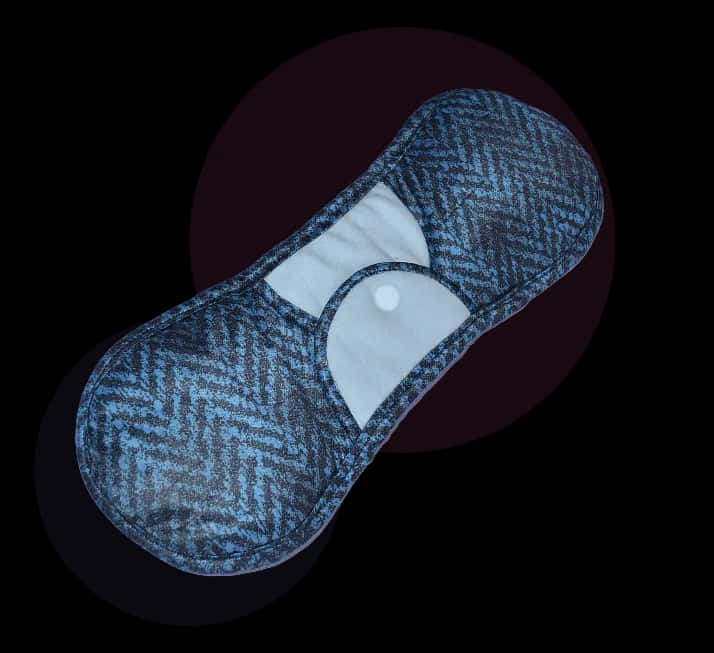
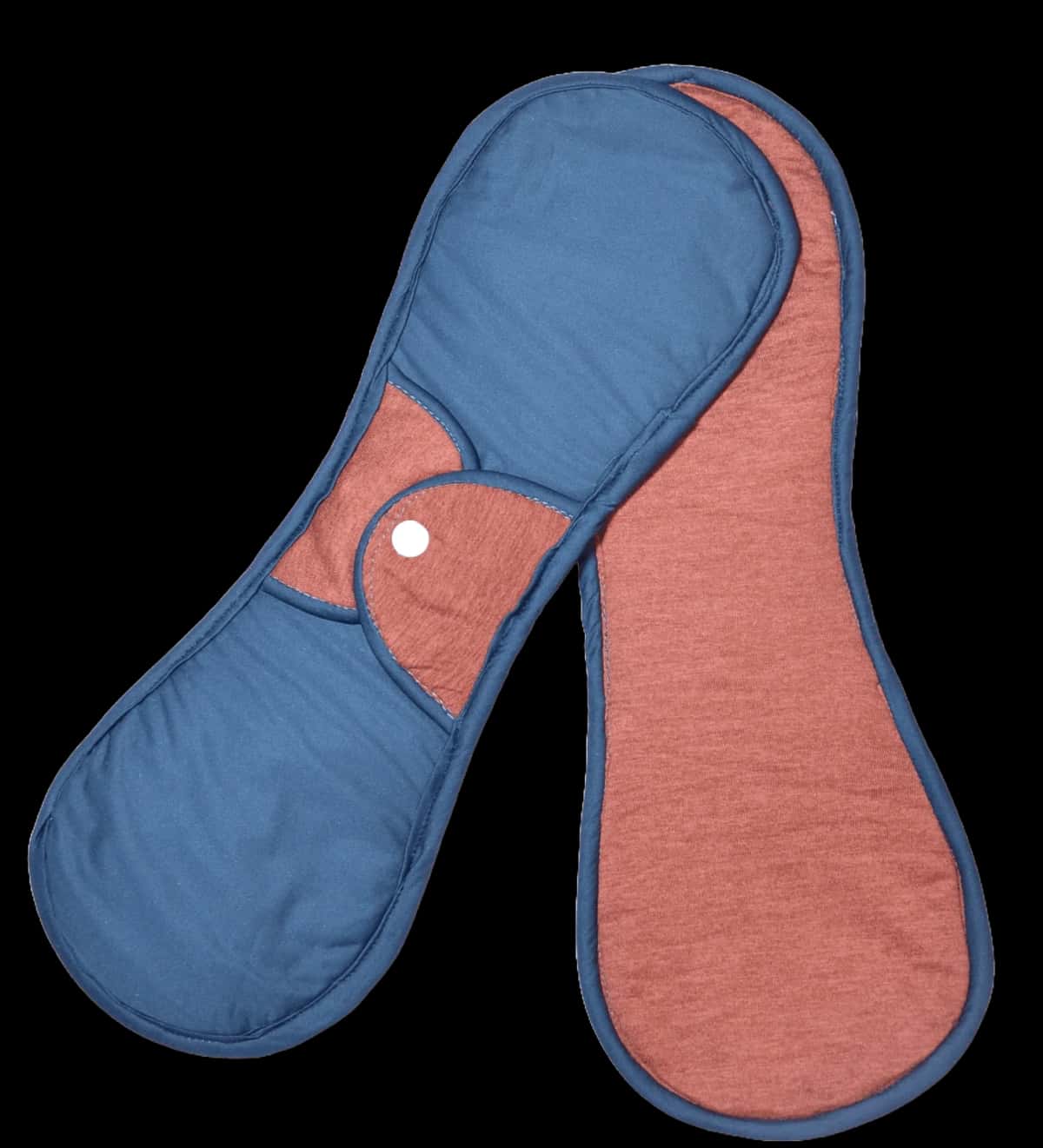
Our pads wey you fit wash

Reduce Your Own Plastic Waste Well-Well
When you change to reusable sanitary pads, you go cut your period plastic waste immediately by about 99%. One reusable pad wey dey last three years dey replace about 250 disposable pads, wey be like about 1,000 plastic shopping bags of material wey no go enter Naija dumpsites, gutters, and water.
If 1,000 women for one Lagos area change to reusable pads, together dem go prevent about 60,000 kilograms of plastic waste over three years – the same weight as danfo bus wey full load. Reusable pads no get the chemical additives, perfume, and bleach wey dey for disposable products, wey mean say less poison go enter Naija soil and water.
Protect the Water Wey Community Dey Use
Nigeria dey face big water wahala, and plenty communities no get clean water wey dem fit depend on. Plastic dirt from period products dey spoil water sources with microplastics and chemicals wey dey leak comot. To choose period products wey you fit use again dey help protect the water wey your community dey depend on.
Cleaner rivers and streams mean healthier fish and safer water. To protect underground water matter especially for northern Naija states where communities dey depend only on wells and boreholes. As plastics dey break down, dem dey release chemicals wey dey pass through soil enter underground water.
Help Make Communities Clean and Reduce Flood
Every reusable pad wey replace disposables mean say plenty-plenty items no go fit end for gutters. Environment health officers for Kaduna notice say communities wey join reusable pad sharing programmes report 30-40% less hygiene product waste for their local gutters within six months.
Cleaner gutters dey work better during rainy season, dey reduce flood risk and the property damage wey dey follow am. Communities wey invest for period health wey fit last dey solve period poverty, environment protection, and public health at the same time, with one solution.
Answer to Common Worries About Reusable Period Products
To change from disposable products wey you don used to, to options wey you fit use again, dey bring practical questions wey deserve honest answers.
Worry About Washing and Hygiene for Naija Conditions
The worry wey common pass na how to wash reusable pads well without running water or steady light. Reusable pads need water wey small pass wetin you dey imagine. You fit wash reusable pads well with just 2-3 litres of water in total – less than wetin you go use to wash pant.
The process na short rinse with cold water to remove blood, then wash with soap and clean water, then dry for open air under sun. The sun part na advantage for Nigeria weather because UV rays dey naturally clean the fabric and dey remove stain. Women for areas wey water no plenty dey wash pads the same day dem dey bath or do laundry.
Plenty Naija women dey dry reusable pads inside out for normal cloth line where dem look like dark pant. Others dey dry pads inside room with the heat of Nigeria weather. Reusable pads dey dry finish for 4-6 hours for Naija heat.
Questions About How Long Dem Go Last and How Dem Go Work
Quality reusable pads dey use many layers of cotton or bamboo fabric wey dem weave tight, wey dem design to absorb liquid and still dey comfortable. The outer waterproof layer suppose be PUL (polyurethane laminate) wey dey breathe, wey dey stop leak without holding heat – dis one very important for Nigeria hot and humid weather. Pads wey dem make well dey keep their absorbing and waterproof power through 2-3 years of regular use.
Reusable pads get different absorbing levels just like disposables – light, regular, and heavy options. For days wey flow heavy well-well, maxi reusable pads wey get five or more layers wey dey absorb dey give protection wey equal overnight disposable pads.
Worry About Cost and Access for Families Wey No Get Much Money
When reusable pads cost ₦1,500-3,000 each and women need 6-10 pads to rotate, the first money fit look impossible for families wey money tight for. But over time, the calculation dey favour even families wey no get much money.
Woman wey dey spend ₦2,400 every year on disposable pads go spend ₦7,200 over three years. Organisations wey dey work for period equality dey more and more give reusable pads through subsidy programmes, payment small-small (installment), or free sharing to students and women wey need help.
Why Sana Pads Get Solutions Wey Go Last for Naija Women
To make period products for Nigeria for Naija women dey bring advantages wey imported options no fit match. Sana Pads dey design products wey consider wetin women dey face every day – water wahala, hot and humid weather wey need materials wey dey breathe, and money wahala wey make am important for price to dey affordable.
Sana Pads don directly support pass 10,000 women with quality reusable period products, and e don share pass 30,000 pads through individual sales, partnership with organisations, and subsidy programmes. Each pad wey dem share mean about 250 disposable pads wey no go enter Naija waste – together, customers don prevent pass 7.5 million disposable pads from becoming plastic waste for Naija communities.
Local manufacturing dey bring economic benefits pass environment impact. Jobs wey dem create for Naija factories dey support local families and dey keep money inside our own economy. The mission pass just to sell pads, e include education about period health, environment wey go last, and to break period taboos wey dey limit girls chances.
Take Action: Change to Period Products Wey Go Last
To understand plastic waste from period products dey open door for real change, but knowledge alone no dey bring impact – action na im dey bring am.
For Individual Women and Families
To start your change to period products wey you fit use again no need to be perfect. Start by buying just 2-3 reusable pads to use for days wey flow light, and continue to use disposables for heavy days. Dis one go allow you learn washing routine and test how the product dey work without pressure.
Look how much the pad need absorb when you dey choose reusable pads. No Wahala Pads dey work well for light flow days. For regular flow days, Premium Pads wey get one layer wey no dey leak plus three layers wey dey absorb dey give protection wey you fit trust. Heavy flow days need Maxi Pads wey get one layer wey no dey leak plus five layers wey dey absorb. Compared to disposable options for market, to invest for reusable pads dey usually cost 50-70% less for the whole life of the product.
The Starter Kit na cheap way to start, e get three Premium Pads plus storage pouch wey no dey show wetin dey inside. E get enough pads to test the full experience for one complete cycle.
For Organisations: Schools, NGOs, and Community Leaders
Organisations wey dey work with girls and women get special chance to fight plastic waste and period poverty at the same time. The impact dey multiply well-well when you fit reach many girls at once, and give both products and education wey dey change each person life while e dey bring environment benefit for the whole community.
Programmes wey succeed dey join product sharing with full period health education wey cover body parts, how to track cycle, hygiene, and correct care of reusable pads. E dey work best when organisations include mamas, female teachers, and community health workers wey go continue to give support.
Schools, NGOs and other organisations fit order any quantity for the same fixed price per pack. Organisations wey wan explore partnership fit contact Sana Pads directly to discuss programme design, price, and support to run am.
Make We Move Forward Together
Plastic waste from period products na problem wey we fit solve, no be something wey must happen because you be woman. Disposable pads wey dey produce 60-90 kilograms of plastic waste for each woman dey add to blocked gutters, dirty water, and microplastic pollution wey dey affect whole communities. Options wey you fit use again dey reduce environment damage well-well, dey save money, and dey give period protection wey you fit trust, wey dem design for Naija conditions. Women wey choose reusable products dey bring good impact immediately through less plastic waste and less house expense. Organisations wey dey run programmes dey multiply dis impact across communities, while dem dey push equality for women and environment protection. Your period no need cost the earth, whether na the real earth or your pocket. Whether you start with one reusable pad or you run programme wey reach thousands of girls, every step go period health wey go last matter. For more information about how reusable products fit change period health and still solve environment wahala, check our full guide on period products and find solutions wey dey work for Naija women.
Continue to read for Period Products Wey Good for Environment
Questions wey pipo dey ask well well
Why I go choose Sana Pads instead of normal disposable pads?
Sana Pads dey made from high-quality materials wey you fit use again, so dem be option wey fit last and wey no dey spoil environment, instead of disposable sanitary products. Dem dey gentle for your skin, dem dey absorb well-well, and dem dey save you money for long run. When you choose Sana Pads, you dey help reduce plastic waste, and you go enjoy comfort and pad wey you fit trust for your whole cycle.
How long I fit use Sana Pad before I go wash am?
Sana Pad dey give you comfort and protection for 4 to 8 hours, depending on your flow. To stay fresh, change am every 4 to 6 hours - more times on heavy days. After every use, rinse am for cold water and wash am with soap. If you take care of am well, each pad go last 2 to 3 years.
Sana Pads safe for skin wey dey sensitive?
Yes, Sana Pads dey made from soft materials wey dey breathe and wey no dey cause allergy (hypoallergenic), so dem dey gentle for your skin. Dem no get the bad chemicals and toxins wey dey common for disposable pads, so dem be correct choice for pipo wey get sensitive skin or allergy.
How I go take clean and take care of my Sana Pads?
Rinse your pad for cold water immediately - hot water dey make blood stain stay. Then wash am with mild soap, with hand or for machine, and rinse until the water clear. Dry am finish for direct sunlight, wey also dey kill germs. Abeg no use tumble dryer, bleach or fabric softener: dem dey spoil the layers wey dey absorb. If you take care of am like dis, Sana Pad go last 2 to 3 years.
Price dey change if I order plenty?
No. Each product get fixed price per pack, no matter how many packs you order. You fit calculate your total with our price calculator. For big orders, send us direct message and we go confirm the delivery cost with you before you pay.
Testimonials
See wetin our customers dey talk about our products.
Women for all over di world dey buy Sana

“I don try different brands of reusable pad, but Sana stand out for the quality, the comfort and how e dey last. Dem design am with sense, and the material dey gentle for my skin. As I change to Sana, e don reduce how I dey spoil environment and e don also save me money for long run. I dey grateful for dis solution wey go last!”

“For first, e dey irritate me to use washable sanitary pad. I decide to try am, and to my greatest surprise, e comfortable well-well and e easy to wash. You fit even do your daily things without fear say blood go stain you for public. I wan give Big shout out to SANA PADS!!”

“I dey really love Sana reusable pads! Dem dey make me relax and feel free for my period time. Plus, dem don reduce the cost and stress of buying disposable pads every month well-well. Kudos to Sana for making dis kind correct product – I go be fan forever!”

“Sana Pad good well-well, e dey make you comfortable and free. I love the pads, na the best ever!”

“To dey buy disposable pads every month dey add up well-well, so I talk say make I try Sana Pads. E surprise me how soft dem be, and dem dey work well for long days for university. To wash dem simple, and e don reach months wey I never buy new pad, so e don save me money. I also like say dem dey better for environment. E sweet me say I get option wey cheap and wey better for environment.”

“I don try different pad brands for years, but Sana pads really stand out. From the first time I use am, I see the difference — e soft for skin, e dey soak well-well, and e comfortable die. Even for my heaviest flow days, Sana pads dey hold well. Wetin I also love na how the material dey allow air pass and e good for skin. If you dey find pad wey get comfort, wey you fit trust, and wey get quality, I really recommend make you try Sana pads.”
Time to join hand
Contact Us
Margaret Ochegbudu
Business Manager