Reproductive Health Screening for Nigerian Women: Di Guide and Wetin You Need to Sabi
Where pipo don see us







 Margaret Ochegbudu don check am · Update 21 min to read
Nigerian women suppose start cervical cancer screening from age 25 and do am again every three to five years, depending on di test wey dem use. Check your breast by yourself every month, plus make health worker check am too, so you fit catch any change early. Most problem for reproductive system no dey show sign for di beginning, and na exactly why screening dey.
Make You Understand Reproductive Health Screening: Di Guide Wey You Need
Reproductive health screening dey help find infection, sickness and other wahala for your reproductive system before dem become serious. Many of dis problem no dey show sign for di early stage, so regular screening na your best protection.
Wetin You Need to Sabi:
- Nigerian women suppose start cervical cancer screening from age 25 and continue am every 3-5 years for di rest of dia life.
- Check your breast by yourself every month, and women wey pass 40 suppose make health worker check dia breast every year.
- Women wey dey do sex suppose test for sexually transmitted infections (STI) at least once every year, or anytime dem change partner.
- If screening catch am early, cervical cancer death fit reduce reach 80%, according to WHO data.
- Most primary health centre for Nigeria dey give reproductive health screening free or for small money, under di Basic Health Care Provision Fund.
- If your period no dey regular, or you get discharge wey no normal, or pain for your lower belly (pelvic pain), go do screening sharp sharp, no matter your age.
- Reproductive health screening include cervical cancer test, breast check, STI test, and general gynaecological health check.
Make we look exactly which screening you need for each stage of your life and how you fit get am for Nigeria.
Cynthia siddon for di crowded waiting room for di primary health centre for Surulere, Lagos. She hold her handbag tight and dey wish say she for come early. She don reach 32, but she never do Pap smear before. She hardly talk about her period health with anybody, and she dey go clinic only when something really dey wrong. Last month, doctor tell her friend Blessing say she get cervical cancer – stage three. Blessing na only 35, and she get two small pikin. “If I for know say make I do screening early,” Blessing tell her, “dem for fit catch am when e still fit treat.” Dat talk change everything for Cynthia.
All over Nigeria, millions of women like Cynthia no sabi which reproductive health screening dem need, when to do am, or where dem fit get care wey dem fit afford. Di silence about women health deep well-well for our communities, but dis silence dey cost us. Reproductive health screening no be about fear – na about taking control, catching problem early, and living healthier life. Whether you dey Kano, Abuja or Port Harcourt, if you understand dis guidelines, e fit save your life.
Di Main Screening Wey Every Nigerian Woman Suppose Sabi
To understand reproductive health screening, first sabi which tests dey and why dem matter. Dis screening na di foundation of health care wey dey prevent women sickness, and dem design am to catch problem when e still easy to treat.
Cervical Cancer Screening: Di First Way to Protect Yourself
Cervical cancer dey kill pass 12,000 Nigerian women every year, but na one of di cancers wey person fit prevent pass if dem catch am early. Di screening dey check for abnormal cells for your cervix – di lower part of your womb (uterus) – before dem turn cancer.
Two main types of cervical screening dey. Pap smear (dem dey also call am Pap test) dey collect cells from your cervix so dem fit look am under microscope. HPV test dey check for human papillomavirus, di virus wey dey cause most cervical cancer. Many hospitals and clinics now dey do both tests together so di result go dey more correct.
Di procedure no reach ten minutes. You go lie down for examination table, then health worker go gently put speculum inside – na medical instrument wey dey allow dem see your cervix. Dem go use small brush collect cells, and e go feel like small pressure or small discomfort for short time. Most women talk say e dey uncomfortable, but e no really dey pain. You fit see small blood spotting after, and dat one normal well-well.
Nigerian guidelines talk say make you start screening from age 25, even if you no dey do sex. Women wey dey between 25-49 suppose do screening every three years if na only Pap smear dem dey use, or every five years if dem combine Pap and HPV test. Women wey pass 50 fit change am to every five years if di results wey dem don get before dey normal. If you be HIV-positive, do screening every year no matter your age, because HIV dey increase di risk of cervical cancer.
Breast Health Screening: Sabi Wetin Normal for You
Breast cancer dey affect one out of every 20 Nigerian women for dia lifetime, and e dey increase for big cities like Lagos and Abuja. If dem catch am early, di chance to survive go up well-well, so breast screening important for every age.
Make you dey check your breast by yourself every month, start from age 20. Choose a particular day every month – maybe five days after your period finish, when your breast no too dey pain. Stand for front of mirror and look for any change for di size, shape or how di skin be. Then lie down, use di flat front of your fingers feel each breast for small circle, dey check for lump, place wey don thick, or any area wey no normal.
Sabi wetin normal for your breast. Every woman breast dey feel different – some get small lumps naturally, some smooth. Wetin matter na to notice change from wetin normal for you. Look for new lump wey no dey go, liquid wey dey comot from nipple (especially if e get blood), skin wey dey sink inside like dimple, nipple wey turn go inside, or pain wey no dey stop for one place.
Make trained health worker check your breast every year from age 40, or before dat if breast cancer dey your family. For dis check, nurse or doctor go check your breast and under your armpit well-well for anything wey no normal. E dey more thorough pass self-check, because health workers sabi exactly wetin dem dey feel for.
Mammography – na X-ray for breast – still dey limited for Nigeria because di machine cost plenty, but big teaching hospitals for cities like Ibadan, Kano and Port Harcourt dey do am. Women wey pass 50 and fit get am suppose do mammogram every two years. If breast cancer dey your family, talk with your doctor about starting mammography early.
STI Screening: Protect Your Reproductive Health for Di Future
Sexually transmitted infections (STI) many times no dey show any sign, especially for women, but STI wey dem no treat fit cause pelvic inflammatory disease, infertility, and wahala for pregnancy. Regular screening dey protect your health and e dey stop you from spreading infection without knowing.
All women wey dey do sex suppose do screening at least once every year for common STIs like chlamydia, gonorrhoea, syphilis and HIV. Do am more often if you get plenty partners, new partner, or if your partner get sign of infection. Pregnant women suppose do screening during antenatal, because some STIs fit pass go baby during delivery.
How dem dey do di screening depend on di infection. HIV test dey use blood or swab from mouth, and di result fit come out di same day. Chlamydia and gonorrhoea test normally need urine sample or vaginal swab wey you fit collect by yourself. Syphilis screening dey use blood test. Most of dis tests dey quick, dem no dey pain, and everything dey private.
Many Nigerians dey avoid STI screening because of shame and stigma, but think about dis: infection no care whether you don marry or how good your character be. Married women dey catch STI from partners wey no dey faithful. Faithful women fit carry infection from old relationship without knowing. Screening na about health, no be about judging anybody.
When to Do Screening: Timeline for Each Stage of Your Life
Different stages of life need different screening. If you sabi when to test, you go fit plan your health care before wahala come, instead of to dey run up and down when crisis don happen.
Age 15-24: Build Strong Foundation for Your Health
Young women for dis age suppose focus on learning and to build healthy habits. If you dey do sex, do STI screening every year and after any time you do sex without protection. Make you do HIV test at least once, and repeat am if you dey do things wey get risk.
Most times, you no need cervical cancer screening before age 25, unless you be HIV-positive or you get other special risk. But use dis years learn about reproductive health, build relationship with health workers, and practice to check your breast by yourself so e go turn habit.
Track your period cycle and note wetin normal for you. If your period no dey regular, if pain strong well-well, or if bleeding no normal, go see doctor even if no be screening time. Many reproductive health problems dey show early warning sign for dis years, but young women dey ignore am, dey talk say “na so period be.”
Age 25-49: Di Years Wey Screening Matter Pass
Dis age need di most complete reproductive health screening. Start cervical cancer screening from 25 and continue am at least every three years. Breast check by health worker every year become important, especially after 40 or if breast cancer dey your family.
Continue STI screening every year if you dey do sex, and always do am when you change partner or if your partner get sign. Think about doing screening more often if you get plenty partners or your partner get other partners. Do HIV test at least every two years, or more often if your risk high.
Women wey dey plan to get belle suppose do screening before pregnancy, including STI, blood group and rhesus factor, hepatitis B, and general reproductive health check. Dis one go help find and treat any problem before pregnancy, and e go better for both mama and baby.
Watch any change for your period for dis time. If your period start to dey irregular, if bleeding dey heavy more and more, or pain dey worse, e fit be sign of condition like fibroid or endometriosis. Dem no always serious, but dem need doctor attention, no suffer am quietly.
Age 50 and Above: Continue to Dey Watch
Many Nigerian women dey think say menopause mean say dem no need reproductive health screening again. Dat one no true. Cervical cancer risk dey continue for your whole life, and some cancers dey more common after menopause.
Continue cervical screening every five years until at least age 65, and longer if your results before no normal. Breast screening dey even more important now, because breast cancer risk dey increase as you dey old. Continue to check your breast by yourself every month, make health worker check am every year, and do mammography if e dey available.
Even if you no dey do sex again, talk with your health worker about STI screening. Some infection fit hide for body for years before e start to show sign. HIV test still important, because more and more older Nigerians dey catch HIV through different ways, including medical equipment wey no clean or blood transfusion.
Bleeding after menopause – any blood from vagina after your period don stop for 12 months – need doctor attention immediately. E no always be cancer, but e no ever normal, and dem must always check am.
Our pads wey you fit wash

Di Benefits of Regular Reproductive Health Screening
To do screening regularly need time, sometimes money, and many times you go need to overcome di shame wey culture put for mind. If you understand di real benefits, e go help you put dis important self-care first.
Catch Problem When E Still Easy to Treat
For early-stage cervical cancer, 90% of women dey survive reach five years if dem treat am. For late-stage cervical cancer, di survival rate no reach 20%. Dis big difference dey because early cancer small, e never spread, and e dey respond well to treatment. Before sign go show, cancer don often spread well-well.
Na di same thing for most reproductive health problems. If dem treat STI early, e go prevent pelvic inflammatory disease wey fit make you no fit born. If dem see fibroid early, dem fit treat am before e grow big reach where you go need big surgery. If dem catch breast cancer early, surgery go small and result go better.
Think of screening like to dey check your compound for crack for di foundation. Small crack easy to repair. If you wait until di building start to fall, repair go cost plenty, e go hard, and sometimes e no go possible. Your body deserve di same care wey you dey give your house.
Regular screening also dey show wetin normal for your own body. When health workers dey see you regularly, dem go sabi wetin normal for you. Dem go notice small changes wey fit mean problem. Dis kind relationship with health workers dey give better care pass to dey go hospital only for emergency.
Prevention Dey Protect Your Pocket
Medical treatment for Nigeria fit scatter family money. Cervical cancer treatment dey cost between ₦500,000 and ₦2,000,000 depending on di stage and di hospital, and many times you go need travel go Lagos, Abuja or Ibadan again and again. Most families no fit afford am unless dem sell property or borrow money.
Compare am with cervical screening, wey dey cost between ₦2,000 and ₦5,000 for most private hospitals, and e dey free or e cheap well-well for government health centres. Even if you do screening every three years for 30 years, di total no go reach ₦50,000 – small part of wetin one round of cancer treatment dey cost.
Na di same story for STI screening and treatment. To treat chlamydia, antibiotics fit cost few thousand naira. But to treat di pelvic inflammatory disease wey chlamydia wey dem no treat cause fit cost hundreds of thousands, and e fit make you no fit born pikin, so you go need fertility treatment wey cost even more later.
Prevention also dey protect your power to work and make money. Serious reproductive health problem fit make you stay hospital long and need long time to recover. Dis one mean say you go lose salary, lose business opportunity, and your family members go carry di load to take care of you. Regular screening dey help you stay healthy and continue to make money.
Peace of Mind and Power Over Your Health
If you no sure about your health, worry go dey your mind every time. You fit dey worry about dat discharge wey no normal, dat lump for your breast, or whether you get infection. Dis kind worry dey take your mind energy and e dey spoil how you take enjoy life.
Regular screening dey make things clear. If result normal, you fit relax and focus on your life. If result no normal, e fit worry you, but e go give you information and options instead of fear and guesswork. Even serious diagnosis dey easier to handle when dem catch am early and di treatment plan clear.
Screening also dey change how you dey relate with your body, from waiting for problem to taking action before. Instead of to feel say you no fit do anything about your health, you dey protect yourself. Dis feeling of control and to stand up for yourself dey pass reproductive health; many times e dey push you to get better health habits for everything.
For many Nigerian women, to go health appointment and talk about wetin dem need for dia health na strong way to show say dem get value. For culture where women dey put everybody need before dia own, to talk say “my health matter reach make I take time do screening” carry big meaning.
How to Overcome Di Common Things Wey Dey Stop Screening
Even with all dis clear benefits, many Nigerian women dey avoid reproductive health screening. If you understand and solve di common worries, e go help you move from just knowing say you suppose do screening to really going do am.
"I Dey Feel Fine, So I No Need Screening"
Dis one fit be di most dangerous wrong belief about reproductive health. Most serious conditions no dey show sign for early stage – na exactly why screening matter. Cervical cancer dey grow quietly for years. Chlamydia hardly dey show sign wey women go notice. Early-stage breast cancer no dey pain most times.
Before you go “feel say something dey wrong,” di sickness don often go far. Pain, bleeding, discharge or lump na warning sign wey dey show for late stage. Screening dey find problem for di quiet early stage when treatment dey work best.
Think am like how you dey take care of motor. You no go wait until engine catch fire before you check di oil. You dey do regular maintenance when everything look fine, because to prevent problem easy pass to repair am. Your body deserve di same care.
Some women also believe say if dem no know about problem, di problem no dey – na kind thinking wey dey give small comfort now but big danger later. Problem no dey disappear because you ignore am. E go worse. To face your health with truth, even when e no comfortable, show say you strong and you get sense.
Shame from Culture and Worry About Privacy
Many Nigerian women dey feel deep shame to talk about reproductive health or to make health worker check dem. Culture wey teach say woman body na shame, religious belief about modesty, and taboo about sex for society, all of dem dey make am hard for women to go find care.
Understand dis one: your health worker don see thousands of women. Your body no strange, e no shock dem, e no be shame to dem. Dem dey focus on your health, dem no dey judge your character. Medical workers must keep your matter secret – if dem share your information, dem go break di rules of dia work and Nigerian law.
If you fit, find female health worker if dat one go make you feel more comfortable. Many hospitals now get clinic days wey na only women. Call before you go and ask about options wey fit solve your worry. Health centres for Kano, Kaduna and other northern states especially understand dis needs and dem dey arrange things wey go suit women.
You fit also bring female friend or family member wey you trust make she support you. If she dey there, e no go spoil di secrecy, but e fit help you no feel too exposed. Many women see say di first screening na im hard pass – once you see say na quick and professional thing, di next ones go easier.
Remember say to find health care no be shame – na responsibility. You dey take care of your family, you dey work hard, and you dey handle plenty responsibilities. If you take care of your health, you go fit continue to do everything wey you dey do. No shame dey for dat one, na wisdom.
Wahala of Money and Access
Money problem na real obstacle for many Nigerian women. But reproductive health screening dey easier to get pass wetin most people think, especially through government programmes and NGO partnerships.
Di Basic Health Care Provision Fund dey give screening free or very cheap for government primary health centres all over Nigeria. Services like cervical cancer screening, breast check and STI test suppose dey available for small money or free. Call your local government health department make dem tell you which health centres near you dey part of am.
Teaching hospitals and specialist hospitals for state capitals dey often run screening programmes wey cheap. Hospitals for Lagos, Ibadan, Kano, Kaduna, Jos, Enugu and Port Harcourt dey regularly organise free screening outreach. Follow your state ministry of health for social media or check dia website for announcements.
Many NGOs wey dey focus on women health dey do free screening events. Organisations like di Society for Family Health, Planned Parenthood Federation of Nigeria, and different cancer awareness groups dey do regular outreach, especially around October (Breast Cancer Awareness Month) and January (Cervical Cancer Awareness Month).
For women for village side wey no too get health facility near dem, ask about mobile health clinics wey dey visit communities from time to time. Even though di schedule no always regular, dis clinics dey bring screening reach people for far places. Your local government health educator fit tell you di schedule.
If you must pay from your own pocket, remember say screening cost small pass to treat sickness wey don go far. Some women dey save small money every month for health screening – ₦200 every week go turn ₦10,000 every year, wey reach for many screenings. Your health worth dis investment.
Where to Get Reproductive Health Screening Help for Nigeria
Nigeria health system get wahala, but help dey for women wey ready to take care of dia reproductive health early. If you sabi where to go and wetin to expect, screening go dey easier.
Sana Pads understand say reproductive health pass only period products. Pipo sabi us for making quality pads wey you fit wash use again here for Nigeria, but our mission na complete dignity for period and reproductive health for African women. We don support pass 10,000 women directly and we don share more than 30,000 pads to communities all over Nigeria.
Our work with schools, health centres and community organisations don show us again and again say period poverty and lack of reproductive health knowledge dey waka together. Women wey no fit afford correct period protection often no fit afford regular health screening. Women wey dey shame about dia period often dey shame to go find reproductive health care.
Na why we dey partner with health facilities to give education together with our products. When we share pads give girls for Kaduna schools or women for Lagos communities, we also dey share information about reproductive health screening, connect dem with health services near dem, and work make pipo fit talk about women health freely.
As Nigerian company wey Nigerians own and run, we sabi di special challenges wey our women dey face – from di hot, humid weather wey dey affect wetin women need for period, to di cultural matter wey make us careful how we talk about health. We dey design our products and programmes with Nigerian reality for mind, no be Western idea about wetin women need.
Take Your First Step Go Better Reproductive Health
To understand screening guidelines get value, but na action dey protect your health. Whether you never do screening before or you never go for years, if you start today, e go make difference.
For Each Woman: Your Own Action Plan
Start by finding di health facility wey near you pass wey dey do reproductive health screening. Primary health centres dey every local government area, and general hospitals dey serve most cities. Call before you go, ask which screening dem dey do, how much e go cost, and whether you need appointment.
Book your first screening soon – inside di next month if you fit. Choose particular date and time, tell somebody say you dey go so dem go follow you check, and take dis appointment serious like business meeting or family matter. Your health deserve to come first.
Prepare for di visit by writing down important health information. Write di date wey your last period start, any sign wey you don notice, sickness wey dey your family, and questions wey you wan ask. Dis preparation go help you talk clear even if you dey fear small.
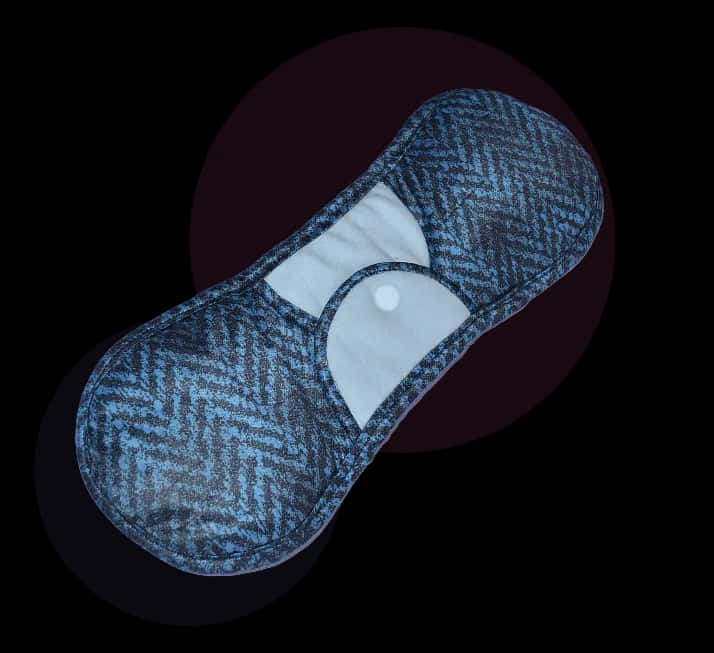
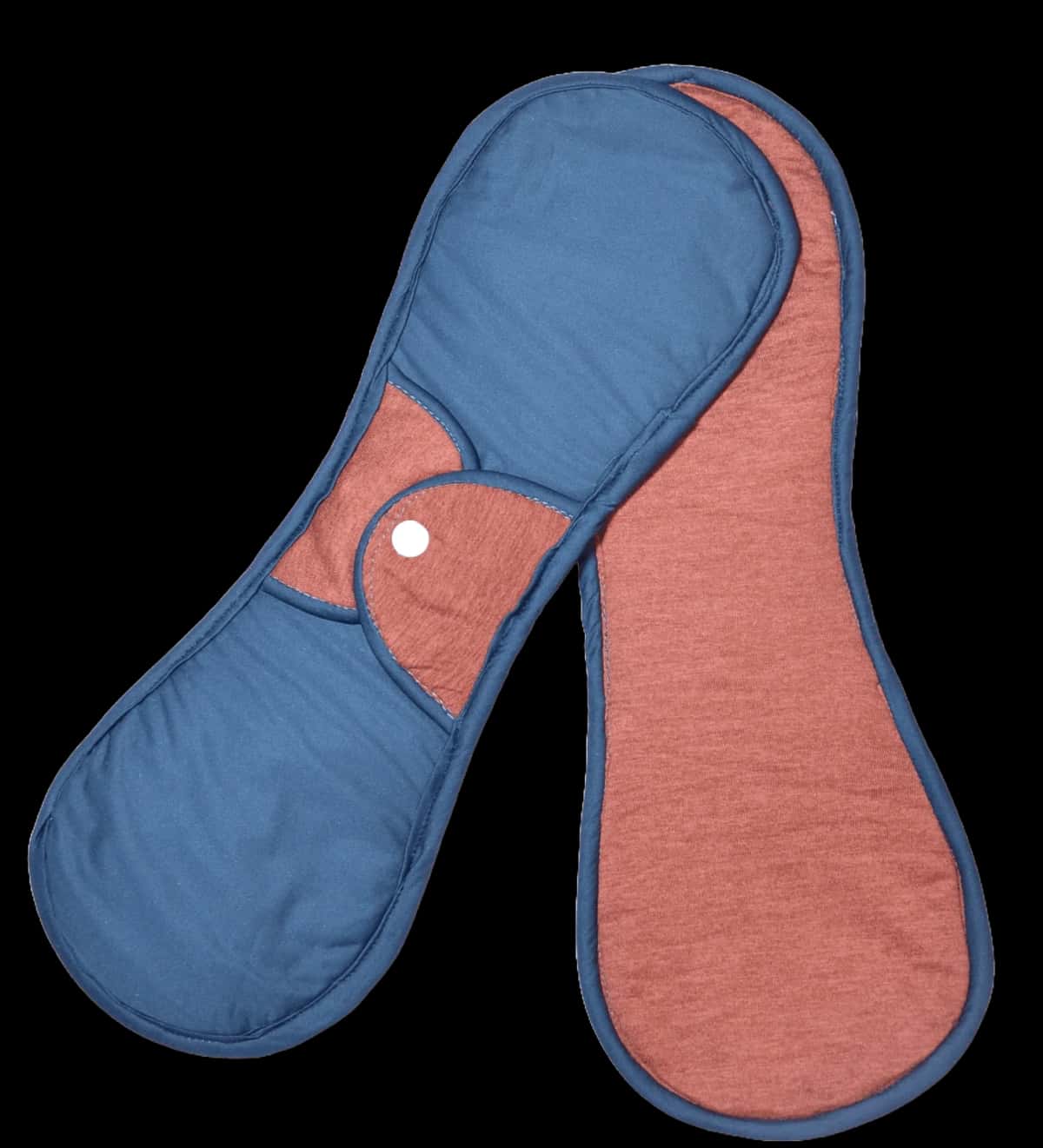
If your period dey worry you – period wey no regular, heavy bleeding, pain – think about how di period products wey you dey use dey affect your comfort and dignity every day. Many women see say when dem change to quality pads wey you fit wash use again, like Sana Premium Pads (with one layer wey no dey leak and three layers wey dey absorb) or Maxi Pads (with one layer wey no dey leak and five layers wey dey absorb, for heavy flow), period no dey stress dem like before, and e dey easier to track dia period health.
Our Starter Kit get three Premium Pads plus storage pouch, everything wey you need to start with pads wey you fit wash use again without spending too much. When you manage your period better, e dey support your whole reproductive health, because e dey help you notice change and keep better hygiene.
For Organisations: Bring Screening to Your Community
Schools, NGOs, religious groups and community groups fit change women health well-well if dem help women get screening. Start by partnering with health facilities near you to organise screening events for your place, or arrange make group of women go health centre together.
Share information and encourage women through di ways wey you already dey take communicate – announcement for women meetings, notice for community board, social media posts, and mouth-to-mouth. Many women go do screening if person wey dem trust recommend am and help dem solve transport and other small wahala.
Think about handling period health together with reproductive health screening. Schools, NGOs and other organisations fit order any quantity for di same fixed price for each pack. Dis kind practical support dey show say you care, and e dey open door to talk about reproductive health more.
Create safe space where women fit talk about health worries and ask questions. Many women never talk openly about reproductive health before, and dem need practice to talk wetin dey worry dem before dem go fit dey free with health workers. Group discussion wey somebody dey guide fit build confidence and knowledge.
Contact Sana Pads if you dey organise women health programme. We dey provide education materials, partner with organisations to reduce di cost of pads, and connect groups with health services. Our goal na to support complete women health, and we ready to work with others wey get di same mission.
Move Forward with Confidence
Reproductive health screening dey protect your life, e dey protect your power to born pikin, and e dey make sure say you stay healthy for your family and community. Di guidelines clear: cervical screening from age 25, breast check every year, and regular STI screening for women wey dey do sex. Dis simple steps dey catch problem early when treatment dey work best.
You deserve health care wey respect your dignity and protect your wellbeing. Di obstacles real – money, shame, access – but solutions dey too. Free and cheap screening dey all over Nigeria through government programmes and NGO partnerships.
To start fit dey overwhelm you, but remember Chioma from Surulere. She feel di same fear and she dey hesitate. Today, she dey do screening regularly, she dey encourage her friends make dem do di same, and dem catch small infection early before e cause serious problem. Wetin happen to her friend Blessing teach her say to know always better pass not to know, and early always better pass late.
Your reproductive health deserve di same attention and care wey you dey give every other thing for your life. Book dat appointment, ask dat questions, and stand up for wetin your health need. You no dey selfish and you no dey do too much – you dey wise and you dey responsible.
For more information about women health, how to manage period health, and how to connect with support all over Nigeria, check our complete guide onwomen health for Africa, where we talk about all di health challenges and solutions for African women.
Continue to read for Women Health for Africa
Questions wey pipo dey ask well well
Why I go choose Sana Pads instead of normal disposable pads?
Dem make Sana Pads from quality materials wey you fit use again, so dem be alternative wey good for environment instead of disposable pads. Dem dey gentle for your skin, dem dey absorb well-well, and dem go save you money for long run. When you choose Sana Pads, you dey help reduce plastic waste, and you go enjoy comfort and pad wey you fit trust for your whole cycle.
How long I fit use Sana Pad before I need wash am?
Sana Pad dey give you comfort and protection for 4 to 8 hours, depending on how your flow be. To stay fresh, change am every 4 to 6 hours - more often for heavy days. After each use, rinse am for cold water and wash am with soap. If you take care of am well, each pad go last 2 to 3 years.
Sana Pads safe for skin wey dey sensitive?
Yes, dem make Sana Pads from soft materials wey dey allow air pass and no dey cause allergy, so dem dey gentle for your skin. Dem no get dangerous chemicals and toxins wey dem dey often find for disposable pads, so dem good well-well for pipo wey get sensitive skin or allergy.
How I go take wash and take care of my Sana Pads?
Rinse your pad for cold water immediately - hot water dey make blood stain stick. Then wash am with mild soap, with hand or for washing machine, and rinse until di water clear. Dry am well-well for direct sun, because sun dey also kill germs. Abeg no use tumble dryer, bleach or fabric softener: dem dey spoil di layers wey dey absorb. If you take care of am like dis, Sana Pad go last 2 to 3 years.
Price dey change if I order plenty?
No. Each product get fixed price for each pack, no matter how many packs you order. You fit calculate your total with our price calculator. For big orders, send us direct message and we go confirm di delivery cost with you before you pay.
Testimonials
See wetin our customers dey talk about our products.
Women for all over di world dey buy Sana

“I don try different brands of reusable pad, but Sana stand out for the quality, the comfort and how e dey last. Dem design am with sense, and the material dey gentle for my skin. As I change to Sana, e don reduce how I dey spoil environment and e don also save me money for long run. I dey grateful for dis solution wey go last!”

“For first, e dey irritate me to use washable sanitary pad. I decide to try am, and to my greatest surprise, e comfortable well-well and e easy to wash. You fit even do your daily things without fear say blood go stain you for public. I wan give Big shout out to SANA PADS!!”

“I dey really love Sana reusable pads! Dem dey make me relax and feel free for my period time. Plus, dem don reduce the cost and stress of buying disposable pads every month well-well. Kudos to Sana for making dis kind correct product – I go be fan forever!”
“Sana Pad good well-well, e dey make you comfortable and free. I love the pads, na the best ever!”

“To dey buy disposable pads every month dey add up well-well, so I talk say make I try Sana Pads. E surprise me how soft dem be, and dem dey work well for long days for university. To wash dem simple, and e don reach months wey I never buy new pad, so e don save me money. I also like say dem dey better for environment. E sweet me say I get option wey cheap and wey better for environment.”

“I don try different pad brands for years, but Sana pads really stand out. From the first time I use am, I see the difference — e soft for skin, e dey soak well-well, and e comfortable die. Even for my heaviest flow days, Sana pads dey hold well. Wetin I also love na how the material dey allow air pass and e good for skin. If you dey find pad wey get comfort, wey you fit trust, and wey get quality, I really recommend make you try Sana pads.”
Time to join hand
Contact Us
Margaret Ochegbudu
Business Manager