Di Hidden Cost - How Period Poverty Dey Keep Nigerian Girls Away from School
Where pipo don see us







 Margaret Ochegbudu don check am · Update 10 min to read
Period poverty dey cost Nigerian girls about 20 percent of di school year, four to five days every month. Di loss dey pile up: lessons wey dem miss turn low marks, low marks turn drop out, and to drop out dey close di door to di job wey for pay for pad from di start.
Understand Di Crisis: Wetin Period Poverty Dey Do to Education
Period poverty no mean only say you no get period products. E dey bring one wahala after another wey dey directly threaten girls ability to learn, stay for school, and build di future wey dem deserve.
Short Summary:
- Nigerian girls dey miss about 4-5 school days every month because dem no get period products, wey reach 20% of di school year.
- 1 in 10 African girls dey skip school during period, and e dey more for rural Nigerian communities where e hard to get products.
- Girls wey dey always miss school during period dey 70% more likely to drop out forever before dem finish secondary school.
- Di average cost of disposable pads (₦200-500 for each cycle) na 10-25% of minimum wage, so many families no fit afford am.
- Schools wey no get proper WASH facilities (toilet, water, privacy) dey make di problem worse, and dis one dey affect about 60% of public schools for di whole country.
- Pads wey you fit wash use again cost 75-85% less for two years compared to buying disposable every month, so dem be practical solution.
Make we look exactly how dis crisis dey happen for Nigerian schools and wetin e mean for one whole generation of girls.
Sadiya sit down outside her classroom for Kaduna, her wrapper tie tight for her waist. Inside, her classmates dey write dia mathematics exam – di one wey she read for di whole week. But Sadiya no dey think about algebra. She dey think about di folded newspaper wey she put between her legs, wey don already dey wet and she no fit trust am. Her period start dat morning, she no get sanitary pad, no money to buy one, and no choice but to stay away from di exam hall.
Sadiya story dey repeat for Nigeria every single day. For classrooms from Lagos reach Maiduguri, sharp girls wey get bright future dey forced to choose between dia education and dia dignity. Dem dey miss school no be because dem no get sense or ambition, but because dem no get something wey simple like sanitary pad.
How E Dey Affect Education: Why To Miss Days Mean To Miss Future
When we talk about girls wey dey miss school during dia period, we no dey talk about only few days wey dem no come. We dey talk about disadvantage wey dey follow system and dey affect every part of dia school journey.
Di Learning Gap Wey Dey Grow Every Month
Imagine say you dey build house but you dey miss every fourth week of di work. Di foundation go weak. Di building no go stand well. Na wetin dey happen to girl education when she dey miss 4-5 days every month.
For Nigerian schools where di syllabus dey move fast and teachers get big classes, to miss even one day mean to miss important lesson. Girl wey miss her mathematics lesson on quadratic equations no go fully understand di next lesson. Di biology class wey she miss na about reproduction – topic wey many teachers no go repeat because e dey make dem uncomfortable for culture.
Dis gaps dey pile up. Month after month, year after year, di girl dey fall back more. Her test scores dey drop no be because she no get brain, but because she no dey get teaching steady. Teachers wey no understand di real reason why she dey absent fit label her say she no serious or she no sabi.
Di Weight for Mind and Di Road to Dropping Out
Apart from di lessons wey she miss, to manage period without enough resources dey carry heavy load for mind and heart. Grace, one student for Ibadan, talk say she dey wake up on exam days with fear say her period go start. “I no fit focus to read because I dey count dates, dey pray make e no come during school hours.”
For cultures where pipo no dey talk about period open, girl wey period leak pass her uniform dey face mockery wey fit follow her for years. Di shame of one leak fit make her dey avoid school for months.
Di dropout pattern dey follow di same way: small small absence turn regular, grades fall, di girl repeat class, money pressure for house dey increase, and parents begin ask why dem go train daughter wey dey always miss school anyway. Marriage proposals go come. Di girl wey once dey dream of university go find herself out of school at 15 or 16.
Everyday School Wahala Without Proper Products
Di crisis often start even before school start. Girl wake up with her period and she face hard calculation: She get pad? E go last di whole day? Her school get private toilet with water? If she no get pad, she fit fold enough newspaper to manage? E go hold?
Look Fatima experience for one secondary school for Kano. Her school get toilets, but water no dey dia most times and dem no get door. When she need change di cloth wey she use as pad, she must hope say nobody dey around, and try manage without water, without privacy, and with only five minutes before di next class. She no fit focus for class. She dey shift every time, dey check whether e don leak. Her whole school life come be second to how she go manage period.
Di Effect Wey Dey Spread: E Pass Only Di Girls
Period poverty no dey affect only individual girls – e dey weaken whole communities and Nigeria development.
Wetin E Dey Cause for Money and Health
When girls drop out of school because of period poverty, Nigeria dey lose di money wey dem for fit make. World Bank estimate say if more girls finish school, e fit add billions to Nigeria economy. To invest ₦10,000-15,000 for reusable period products for one girl whole secondary school time fit protect education investment wey worth millions for future income.
Period poverty dey also push girls to use tins wey no safe – newspaper, rags, leaves. Dis materials fit bring infection. Girls wey no fit change dia protection often enough dey face bigger risk of reproductive tract infections. Di stress and fear dey also affect mental health, and depression and low self-esteem dey common among girls wey dey face period poverty.
Social Impact and Inequality Between Boys and Girls
Period poverty dey push di message say girls education no matter like boys education. E dey tell girls say dia body na shameful obstacle, no be natural part of life. For communities where period poverty dey keep girls out of school, old roles for men and women dey strong more. Families dey reason say if girls no go fit finish school anyway, why dem no go marry dem out early?
How Reusable Solutions Dey Help Environment
Apart from di impact for each person, period products wey you fit use again dey reduce waste for environment. One girl wey dey use disposable pads dey produce about 150 kilograms of waste for her whole life. Reusable pads dey remove dis load, and dem dey give protection wey you fit trust and wey dey last long, wey dey keep girls for school.
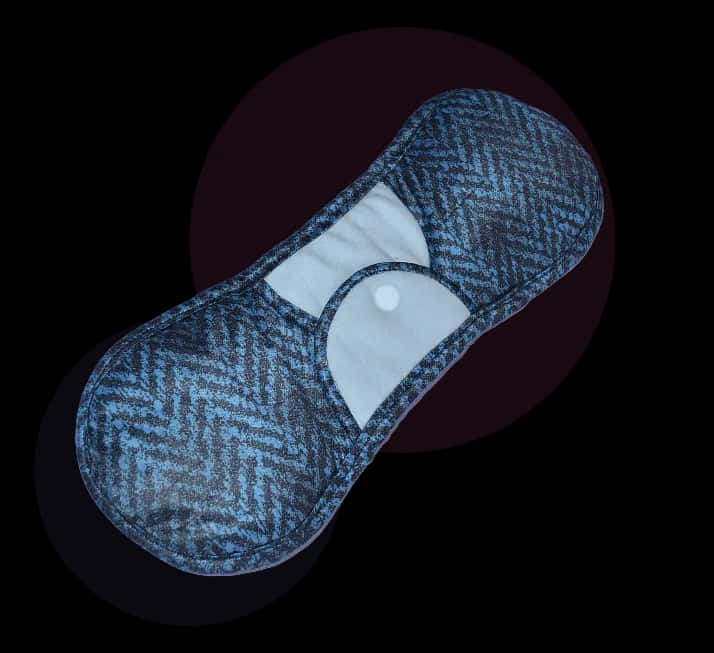
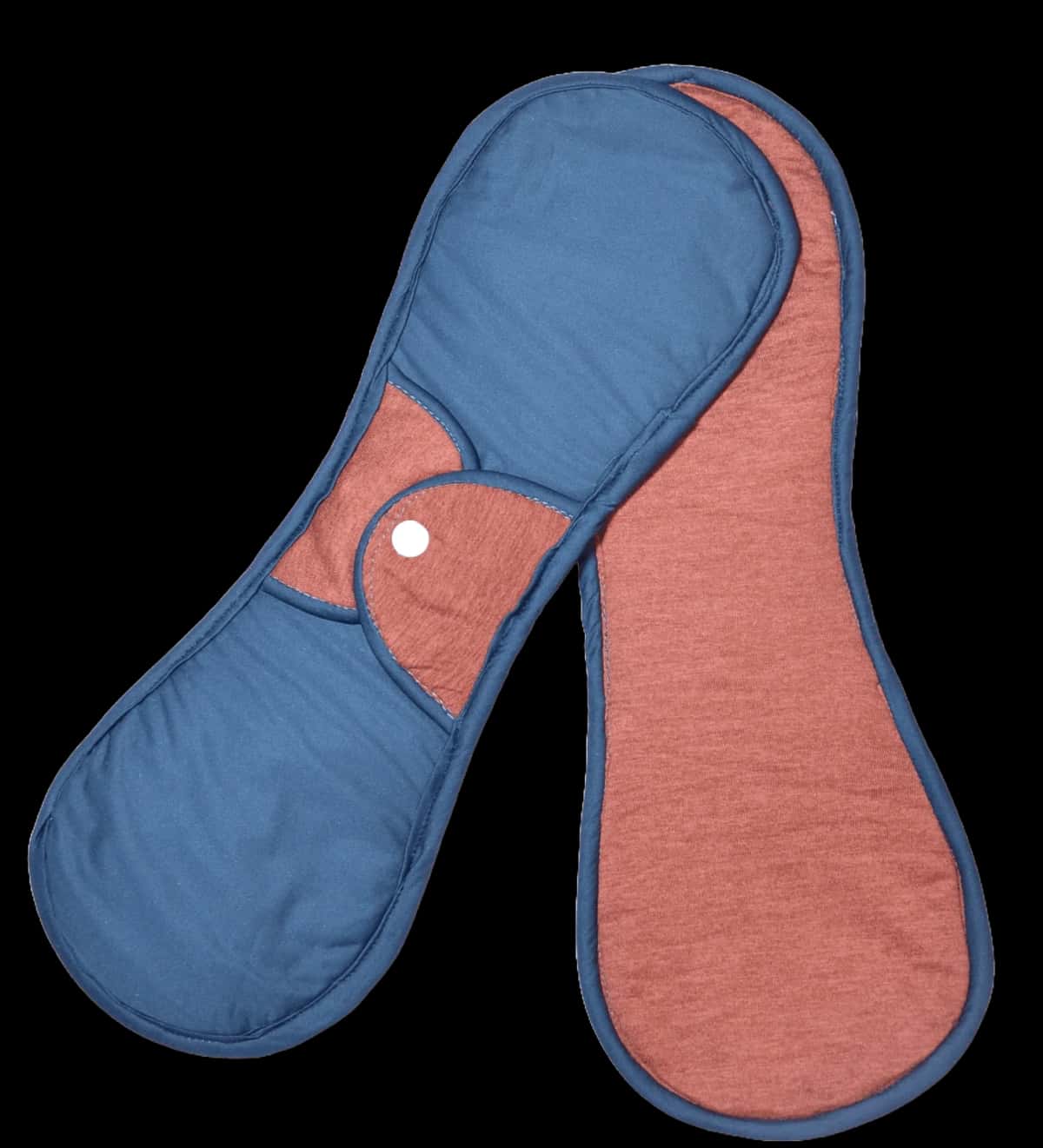
Our pads wey you fit wash

Common Worries: Questions Wey Pipo Dey Ask
When we dey talk about period poverty and education, some questions dey always come up. Make we answer dem straight.
"Girls No Fit Just Use Cloth Like Our Mamas Do?"
Di generations wey come before often no go school, or dem go school wey near house where dem fit change often. Schoolgirls of today dey spend 6-8 hours away from house for places wey no get privacy, water or where to throw tins away.
Di old cloth method need plenty pieces – at least 8-10 for each cycle – plus water, soap and private place to dry wey dey always available. Many families no fit provide dis one. Reusable pads wey dem design well dey solve dis wahala with backing wey no dey leak, absorbing power wey dey last some hours, and easy washing.
"Dis Na Private Family Matter - Why Schools Go Dey Involved?"
Yes, period na personal matter. But when dat body reality dey stop 1 in 10 girls from going school during dia period, e don turn education matter. Na for school di impact dey show – for empty desks, exams wey dem fail, and dropout numbers.
Schools wey dey tackle period poverty dey see result quick: attendance dey improve, performance dey go up, and girls dey talk say dem get more confidence. To provide sanitary products and WASH facilities dey remove one barrier to education, just like to provide textbooks or school food.
"To Talk About Period for School No Go Spoil Young Girls?"
Di evidence no support dis fear. Full period health education dey actually protect girls. Girls wey understand period before e start dey get less fear and shame. Dem dey manage dia period cleaner and dem dey notice health problems early.
Di real corruption na di ignorance wey dey leave girls to bleed pass dia clothes, use materials wey no clean, and drop out of school. Period education wey respect culture fit enter inside religious teaching – as personal hygiene, as to respect di body, as preparation for future roles.
Why Sana Pads: Nigerian Solution for Nigerian Schools
Period poverty for Nigerian schools need solutions wey understand how life be for Nigeria – our weather, our economy, our culture, and our infrastructure wahala.
Sana Pads start specially to tackle dis wahala. As Nigerian manufacturer, we dey design products for di hot, humid weather for Lagos and di dry heat for Kano. We understand say most schools no get water and light wey dey steady, so our pads easy to wash with hand and dem dey dry quick.
Since we start, we don support over 10,000 women and girls directly and we don share more than 30,000 pads through partnership with schools, NGOs and community organisations. Di girls wey stop to miss school, di exam scores wey improve, di confidence wey grow – na dis be di real impact pass numbers.
Our mission pass to sell products. We dey work to end period poverty for Nigeria by making period products wey you fit use again easy to get and cheap, while we dey partner with schools to give both products and education.
How to Start: Take Action Against Period Poverty
To understand di problem na just di beginning. Real change need action from each person, families, schools and organisations.
For Parents and Each Girl
If you be parent wey dey worry about your daughter education, or girl wey dey miss school because of period, solutions wey you fit afford dey. Start by talking open about period and school without shame.
For products, think about wetin match your daughter flow. Our No Wahala Pads dey work well for light flow. Premium Pads, wey get one layer wey no dey leak and three absorbent layers, dey fit most girls for normal school days. Maxi Pads, wey get five absorbent layers, dey give security for heavy flow days.
Our Starter Kit get three Premium Pads plus pouch to keep dem, and e cost about di same as two months of disposable pads. For two years of secondary school, reusable pads cost 75-85% less pass to dey buy disposable every month, and dis one dey free family money for school fees and textbooks.
For Schools, NGOs and Community Organisations
Schools get special power to tackle period poverty for big level. Start by asking girls in secret about di days wey dem dey miss because of period. Check WASH facilities like say you be student wey dey see period – privacy dey? Water dey? Place to throw tins away dey?
Then do full solutions: improve WASH facilities with doors wey dey lock and water wey dey always dey, train teachers to support students wey dey see period with kindness, and put period health education inside di curriculum.
Sana Pads dey supply schools, NGOs and community programmes of any size at di same fixed price for each pack. We dey support organisations with guidance on how to do am, based on our experience working with schools across Nigeria.
Moving Forward: Make We Create Change Together
Period poverty no be something wey must happen, and di way e dey affect girls education no acceptable. Every Nigerian girl deserve to go school every single day – no matter her period cycle. Di solution need honest talk, practical products, better facilities, and everybody commitment. When Blessing for Kaduna no go sit outside again during exams, when Grace for Ibadan stop to fear her own body, when Fatima for Kano fit focus on mathematics instead of leak – na dat time we go know say we dey succeed. Sana Pads dey exist to help make dat future real. Learn more about period poverty for Nigeria and how we dey tackle am together – one girl, one school, one community at a time.
Continue to read for Period Poverty for Nigeria
Questions wey pipo dey ask well well
Why I go choose Sana Pads instead of normal disposable pad?
Sana Pads na high-quality materials wey you fit use again dem take make am, and e be better option for environment pass disposable sanitary products. E dey gentle for your skin, e dey absorb well well, and e go save you money for long run. When you choose Sana Pads, you dey help reduce plastic waste, and you go enjoy comfort and pad wey you fit trust throughout your cycle.
How long I fit use one Sana Pad before I wash am?
One Sana Pad dey give you comfort and protection for 4 to 8 hours, depending on your flow. To stay fresh, change am every 4 to 6 hours - more often for heavy days. After each use, rinse am for cold water and wash am with soap. If you take care of am well, each pad go last 2 to 3 years.
Sana Pads safe for sensitive skin?
Yes, Sana Pads na soft materials wey dey breathe and wey no dey cause allergy dem take make am, so dem dey gentle for your skin. Dem no get di harmful chemicals and toxins wey pipo dey often find for disposable pads, so dem be correct choice for pipo wey get sensitive skin or allergy.
How I go wash and take care of my Sana Pads?
Rinse your pad for cold water immediately - hot water dey make blood stain set. Then wash am with mild soap, with hand or for machine, and rinse am until di water clear. Dry am well well for direct sunlight, wey dey also disinfect am. Abeg no use tumble dryer, bleach or fabric softener: dem dey spoil di absorbent layers. If you take care of am like dis, one Sana Pad go last 2 to 3 years.
Price go change if I order plenty?
No. Each product get fixed price for each pack, no matter how many packs you order. You fit calculate your total with our price calculator. For big orders, send us direct message and we go confirm di delivery cost with you before you pay.
Testimonials
See wetin our customers dey talk about our products.
Women for all over di world dey buy Sana

“I dey really love Sana reusable pads! Dem dey make me relax and feel free for my period time. Plus, dem don reduce the cost and stress of buying disposable pads every month well-well. Kudos to Sana for making dis kind correct product – I go be fan forever!”
“Sana Pad good well-well, e dey make you comfortable and free. I love the pads, na the best ever!”

“I don try different brands of reusable pad, but Sana stand out for the quality, the comfort and how e dey last. Dem design am with sense, and the material dey gentle for my skin. As I change to Sana, e don reduce how I dey spoil environment and e don also save me money for long run. I dey grateful for dis solution wey go last!”

“For first, e dey irritate me to use washable sanitary pad. I decide to try am, and to my greatest surprise, e comfortable well-well and e easy to wash. You fit even do your daily things without fear say blood go stain you for public. I wan give Big shout out to SANA PADS!!”

“To dey buy disposable pads every month dey add up well-well, so I talk say make I try Sana Pads. E surprise me how soft dem be, and dem dey work well for long days for university. To wash dem simple, and e don reach months wey I never buy new pad, so e don save me money. I also like say dem dey better for environment. E sweet me say I get option wey cheap and wey better for environment.”

“I don try different pad brands for years, but Sana pads really stand out. From the first time I use am, I see the difference — e soft for skin, e dey soak well-well, and e comfortable die. Even for my heaviest flow days, Sana pads dey hold well. Wetin I also love na how the material dey allow air pass and e good for skin. If you dey find pad wey get comfort, wey you fit trust, and wey get quality, I really recommend make you try Sana pads.”
Time to join hand
Contact Us
Margaret Ochegbudu
Business Manager