Period Poverty for Lagos: How City Pipo for Nigeria Dey Fight Back
Where pipo don see us







 Margaret Ochegbudu don check am · Update 21 min to read
Period poverty no be village problem only. For Lagos, e dey hide behind high house rent and informal work: pad dey fight with transport and food inside tight monthly budget, and shared or public toilets rarely get water and privacy. Na why programmes for city need to fix toilets and water as much as the price of pad.
Understanding Period Poverty for Lagos: Wetin You Need to Sabi
Period poverty no be only village problem – e dey grow for Nigeria big cities, and e dey hide behind all the business and development. See wetin dey really happen for Lagos and other Nigerian cities.
Main Points:
- Period poverty dey affect around 37 million Nigerian women wey no fit afford correct menstrual products every month.
- Lagos women dey spend ₦6,000-12,000 every year for disposable pads, wey be like 20-40 days of minimum wage money.
- Girls for Lagos state dey miss average 4-5 school days every month because dem no fit manage their period well, and dat one reach 48-60 days every year.
- Period poverty for city include no clean water, no private toilet for shared houses, and no safe place to throw used pads.
- Reusable sanitary pads dey reduce the cost of menstrual products by 70-85% compared to disposable for one year.
- Lagos no get enough public WASH facilities: only 15% of markets and motor parks get correct toilets for women.
- Community distribution programmes don reach pass 30,000 women across Nigerian cities with solutions wey dey last.
Make we see how period poverty dey show for Lagos, why city poverty dey bring special period wahala, and which solutions dey really work.
Blessing dey live for Surulere, Lagos. She be 16, she sharp, and she dey dream to become nurse. But every month, she dey miss three days of school. No be because she sick – na because she no fit afford sanitary pads. Her mama, wey be petty trader for Oshodi Market, dey make ₦30,000 every month to feed five children. When disposable pads cost ₦300-500 per pack and Blessing need two packs every cycle, dat na ₦1,000 – pass 3% of the whole family income. So Blessing dey use old cloth, she dey stay house when her flow heavy, and she dey watch her grades dey fall. She no dey alone. Across Lagos, from the tall buildings for Victoria Island reach the crowded streets for Ajegunle, millions of girls and women dey face dis same hidden wall. Dis na period poverty for Nigeria biggest city, and e plenty pass wetin most pipo think.
The Real Matter of Period Poverty for Nigerian Cities
When pipo think about poverty, dem dey usually picture village. But period poverty for Lagos get different face – e dey live inside crowded one-room apartment for Makoko, inside shared compound for Mushin, and even among working women for Ikeja wey dey choose between transport money and sanitary products.
Why Period Poverty Dey Grow for Lagos
Lagos be like city of opportunity, with im banks, markets and hustle wey no dey end. But under am, millions of pipo no fit meet their basic needs. The middle income for women for informal work – market traders, hairdressers, food sellers – dey around ₦40,000-60,000 every month. When you add house rent (₦15,000-50,000 for one room), food, transport and children needs, menstrual products come become “luxury” wey women dey sacrifice.
The numbers dey talk hard truth. Woman wey dey use disposable pads need around 20-25 pads every cycle. Good brands dey cost ₦500-800 for pack of 10, so na ₦1,000-2,000 every month just for period. Dat na ₦12,000-24,000 every year – money wey fit pay school fees for one term or stock small business.
But period poverty no be only about pad price. Na about the 23-year-old secretary wey dey work for fine office for Island but dey live with six relatives for “face-me-I-face-you” compound for Bariga, where 15 families dey share one toilet. Na about the university student for LASU wey no fit afford both pads and textbooks. Na about the okada rider wife wey dey wash her cloth for public borehole where everybody dey see.
The Hidden Cost Wey Pass the Pad
Period poverty dey bring plenty problems wey cost pass money. Girls wey dey miss school dey fall behind for their studies. Research from the African Population and Health Research Center find say girls wey dey miss school during their period dey score 15-20% lower for exams than their mates. For Lagos schools where competition strong, dis gap fit decide whether girl go enter university or she go drop out completely.
Working women dey face different but serious wahala too. Shop attendant for Balogun Market wey blood stain her cloth go lose her job. Civil servant wey dey call in sick three days every month no go get promotion. The fear of leaking, the stress of finding something to use, the body pain of using newspaper or rag – these no be small wahala. Na dignity wey dem dey take from women every month, year after year.
Then health dey. When women dey use disposable pads again pass the safe time, when dem dey use cloth wey no clean, when dem no fit wash well because water no dey – infections go follow. Reproductive tract infections, bacterial vaginosis and urinary tract infections dey plenty well-well among women wey no get correct menstrual hygiene. For general hospitals for Isolo and Somolu, doctors talk say dem dey see these infections often, even though patients no dey usually connect am to how dem dey manage their period.
The Facilities Gap Wey Lagos No Dey Talk About
Lagos fit be Nigeria economic capital, but im WASH facilities no reach at all for wetin women need. Public toilets no plenty, dem dey often dirty, and dem rarely get water to wash. Markets wey thousands of women dey work – Balogun, Idumota, Mile 12 – get very small facilities. Trader for Computer Village fit hold her urine for hours because the toilet wey dey too dirty or too far.
Schools for crowded areas like Mushin, Oshodi and Agege often no get private place where girls fit change and manage their period with dignity. Plenty schools get toilet doors wey no dey lock, no running water, and no bin to throw sanitary waste. Survey from UNICEF find say 68% of public secondary schools for Lagos state no get correct menstrual hygiene facilities.
Even for middle-class areas like Ikeja and Gbagada, water no dey always run. When NEPA take light and the water pump stop, when the well dry before month end, to wash reusable cloth go become problem. Dis reality na wetin dey decide which period solutions dey really work for Lagos women.
How Period Poverty Dey Show Different for City
Period poverty for Lagos different from period poverty for village for Kano or Enugu. To understand these differences dey very important to find solutions wey really fit city life.
Pad Dey Near, But Hand No Fit Reach Am
For village, shop fit dey far, but for Lagos you no fit waka five minutes without say you pass provision store. Pads dey everywhere: you dey see dem, dem dey for sale, dem dey advertise dem everywhere. Dis one dey bring wicked paradox – women dey see the solution every day but dem still no fit get am because of the cost. Dis kind “near but you no fit reach” dey affect mind well-well. E no be about whether you sabi or whether pad dey; na money wall, and city life dey make am even clear pass.
Lagos women sabi exactly wetin dem need. Dem dey see the adverts for bus, hear radio jingles, pass billboards. To sabi without say you fit get am dey bring shame wey village women fit no feel the same way. For city, pipo expect say you go dey modern, dey “exposed” and dey sharp. If you no fit afford pad, e go feel like say na your own personal failure, no be problem of the whole system.
Space and Privacy Wahala
No be like village compound wey get space outside – for Lagos, pipo dey live close-close. Woman wey dey live for one room with her husband and children no get private place to wash her period cloth. If she hang am outside for their shared corridor, neighbours go see and gossip. If she dry am inside, the humid Lagos weather go make am stay wet for days, and e go bring smell and fit make bacteria grow.
Shared toilets dey add to dis wahala. The normal face-me-I-face-you building get 8-12 families wey dey share one or two toilets. No privacy to change pad, wash well or throw away used materials. Women dey plan their toilet visit for late night or early morning when others dey sleep. For heavy flow days, dis one no dey work.
The Informal Work Trap
Most Lagos women dey work for informal sector – market trading, hairdressing, food selling, house work. These jobs no get sick leave, no benefits, and nobody go understand if you miss work. Woman wey stay house during her period no go earn for dat day. For pipo wey dey earn daily, to miss three days every month mean say dem don lose 10% of the money wey dem fit make – money wey she need well-well.
Dis one dey bring choice wey no get good answer. Make she go work while she dey bleed heavy with protection wey no correct, and risk leak and infection? Or make she stay house and fall deeper inside poverty? Plenty women dey do half-half – dem go work but dem no go work well, dem too dey worry about leak to focus on customers, dem no dey comfortable to do work wey need body strength well.
Cheap Solutions Wey Dey Work for Lagos Women
To understand the problem dey important, but Lagos women need practical solutions wey fit their real life – their budget, the house wey dem dey live, wetin dem dey face every day.
Reusable Sanitary Pad: E Dey Change the Money Matter
Reusable pads na the cheapest solution for period poverty for city. Disposable pads, you go dey buy dem again and again, but quality reusable pads dey last 2-3 years if you care for dem well. Make we look the real cost.
Woman wey dey use disposable pads dey spend around ₦1,000-2,000 every month, wey reach ₦12,000-24,000 every year. Set of 5-6 reusable pads dey cost ₦3,000-5,000 and e dey last 2-3 years. For two years, disposable go cost ₦24,000-48,000, but reusable na one-time ₦3,000-5,000 – savings of 80-90%. For Lagos women wey get tight budget, dis calculation fit change life.
But savings matter only if the product really work for Lagos condition. Reusable pads must fit wash with bucket water (because running water no dey always), dry quick for humid weather, and dey quiet enough for shared house. Dem need to stand Lagos heat without causing rash, soak heavy flow during long journey for danfo bus, and still dey work well after plenty washing with any soap wey person fit afford.
How to Use Reusable Pad for Small Space
The biggest wahala wey Lagos women dey talk about reusable pads na how to wash and dry dem for small house. See ways wey really work.
First, washing no need big space – just bucket, cold water and soap. Plenty Lagos women already dey wash cloth with hand every day, so to add pads no hard. The trick na to rinse well until the water come clear, then wash with normal soap. Dis one dey take 5-10 minutes total. Some women dey wash pads when dem dey bath, so dem kill two birds with one stone.
To dry am hard small for small space and humid weather. Women don find clever ways. Some dey dry pads inside pillowcase wey dem hang for line – e look like normal cloth but e hide the pads. Others dey dry dem flat under their mattress or inside drawer with small fan (when NEPA bring light). For one room wey get good window, pads fit dry for line wey dem tie for one corner, hide behind cloth wey dem hang. The key na air wey dey move, no be direct sun – and dis one dey work better for drying inside house.
To keep dem simple – small waterproof pouch dey keep clean pads fresh and dey carry used ones quietly. Plenty women dey use old makeup bag or small purse. When you go public toilet for work or market, the pouch go enter handbag and nobody go sabi wetin dey inside.
Community Access and Payment Plans
dey live from hand to mouth. Na here community distribution dey make difference. Women groups, church fellowships and market associations dey put money together to buy sets for bulk and share dem to members through payment plans wey dem fit afford.
Some organisations dey partner with employers for markets and small businesses. One market women cooperative for Oshodi recently buy 100 pad sets together, and dem allow members to pay ₦500 every month for six months – so the cost fit enter their cash flow. Hair salon owners for Ikeja dey buy sets for their stylists, and dem dey remove small money from their weekly commission.
Schools don begin add reusable pads to their student welfare programmes. Some forward-thinking secondary schools for Yaba and Surulere now dey keep emergency pad sets for girls wey see their period suddenly for school, and dem dey give pads as part of back-to-school package together with textbooks and uniforms.
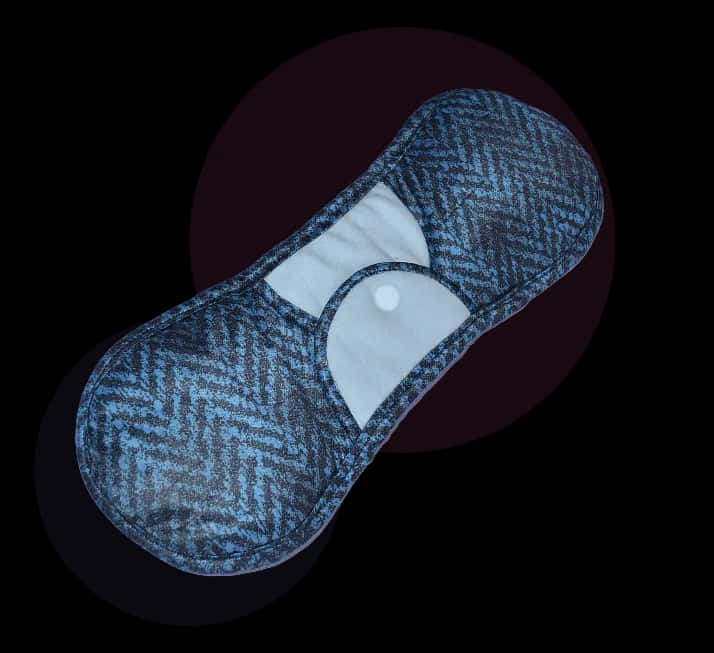
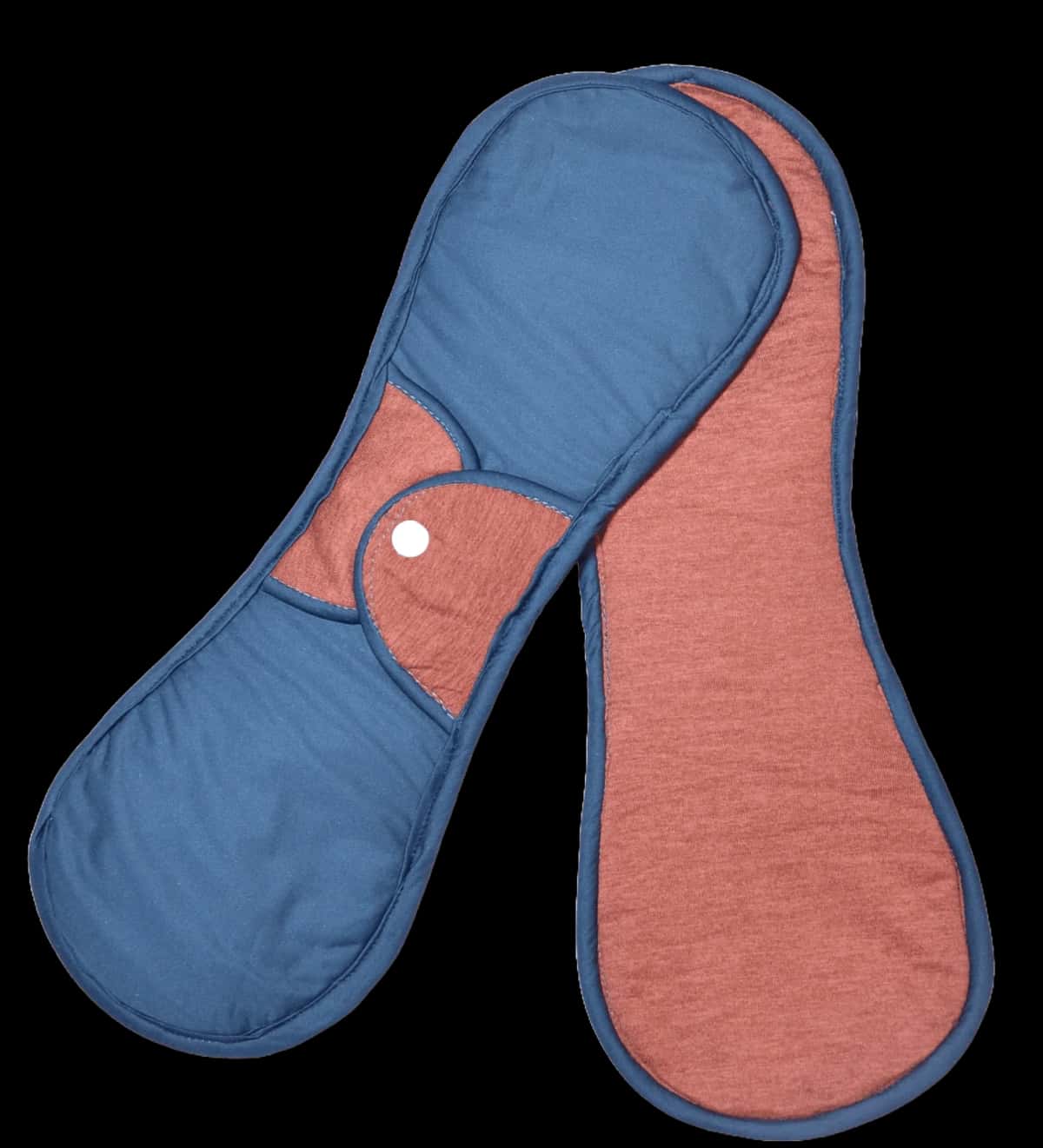
Our pads wey you fit wash

The Big Benefits When We Solve Period Poverty
When Lagos women get menstrual products wey dem fit afford and wey dey always available, the benefit pass just period. Their whole life go change direction.
Money Power and Better Work
Think about Blessing from Surulere again. When she get reusable pads through her school partnership with one local NGO, she start to dey come school steady. Inside two terms, her grades improve by 18%. She stop to be “the girl wey dey always absent” and she become student wey teachers dey notice because she dey perform well steady. Dat improvement go decide whether she go enter nursing school.
For working women, to manage period well dey turn straight to money. Hairdresser wey before dey miss 3-4 work days every month now dey work full-time, and her monthly money don increase by ₦8,000-12,000. Market trader wey before dey always worry about leak fit now focus on customers, and her sales dey improve. House worker wey before dey beg for time off every month for awkward talk now dey work with dignity and confidence.
Research from the World Bank show say to solve period poverty dey increase the days wey women fit work by 10-15% every year. For Nigeria economy, where women plenty for informal work, dis one mean billions of naira for economic activity. For each woman, na the difference between poverty and stable life.
Better Health and Peace of Mind
When women dey use clean, correct menstrual products and dem fit keep proper hygiene, their reproductive health dey improve in a way wey you fit measure. Clinics for Lagos dey report say period-related infections don reduce among women wey change from cloth or newspaper to proper reusable pads.
Apart from body health, the peace of mind big well-well. The stress of period poverty wey no dey stop – to dey worry whether you go leak, whether pipo go smell blood, whether you go fit buy pads next month – dey bring worry wey no dey finish, and e dey affect your whole wellbeing. Women talk say dem dey feel “free” when dis worry comot: dem fit sleep well the night before their period start, dem fit wear their fine clothes without fear.
Dignity dey come back too. Period poverty dey force women into shameful situations – blood dey stain their cloth, dem dey use materials wey dem sabi say no clean, dem dey avoid pipo during their period. Correct menstrual products dey return the basic dignity wey nobody suppose take from dem.
School Success and Future Chances
Girls wey manage their period well dey stay for school, and girls wey stay for school dey change their future. The link between access to menstrual products and school results don get plenty proof. One study wey follow Lagos schoolgirls find say those wey get menstrual products steady dey 27% more likely to finish secondary school and 34% more likely to go further after secondary school.
Dis one no surprise when you calculate am. To miss 4-5 school days every month mean say you don miss 48-60 days every year – almost three full months of class. When you miss school like dat, e go hard well-well to follow wetin dem dey teach, especially for subjects like mathematics and science where one lesson dey build on top the other. Girls go fall behind, lose confidence, and finally drop out.
When girls get reusable pads, dem dey go school steady, dem dey join sports and activities, and dem dey compete equal with their mates. Dis equal chance na foundation to break the poverty wey don hold families for generations.
Answer to the Worries Wey Pipo Get About Reusable Pad
Even with all these clear benefits, plenty Lagos women still dey fear to try reusable pads. Make we answer the worries wey pipo get pass, straight and honest.
"Reusable Pad No Dey Dirty and Cause Infection?"
Dis na the worry wey pipo dey get pass, and e make sense. The worry dey come because pipo dey confuse reusable pads with the dirty cloth wey plenty women dey use now because dem no get choice.
Proper reusable pads, dem design dem special for period. Dem get plenty layers – back wey no dey leak, middle layers wey dey soak, and soft top layer wey dey pull wetness comot from your skin. Quality pads dey use materials wey no dey let bacteria grow easily even when dem wet. Dem make dem to wash again and again and still stay clean and work well.
The key na correct care, and e simple pass wetin most pipo think. After you use am, rinse the pad for cold water until the water come clear. Then wash am with normal soap – the same soap wey you dey use for cloth dey work fine. Make sure say you rinse am well. Na im be dat. Dis way dey remove blood, bacteria and smell finish.
Research wey Journal of Water, Sanitation and Hygiene publish find say infection no increase among women wey dey use reusable pads wey dem care for well, compared to women wey dey use disposable pads. Sometimes, women wey dey use reusable pads even get less infection, because quality reusable pads dey allow air pass pass disposable pads wey get plastic, and e dey reduce the hot, wet condition where bacteria like to grow.
"I No Get Enough Water or Space to Wash Pad"
Dis worry show the real facilities wahala wey Lagos women dey face. If you already dey struggle to get water to cook and bath, to add pad washing go feel like say e no possible.
The good news be say to wash pads no need plenty water – e small pass wetin you think. One bucket of water reach to wash 5-6 pads. Plenty women dey wash their pads when dem dey bath, with the same water. Since you suppose change pad 2-3 times every day and you need 5-6 pads total, you go only wash 2-3 pads for heavy days, maybe one pad for light days. You fit manage dis one even when water no plenty.
To dry for small space, remember say pads no need sun or outside space. Dem need air wey dey move. Even for one room, you fit dry pads near window, under your mattress or inside drawer. The cloth wey dem use for quality reusable pads dey dry quick pass normal cloth – usually 6-8 hours where air dey move well. Women for Ajegunle, Makoko and other crowded areas dey use reusable pads well even with small space. If dem fit make am work, dis solution dey practical, no be just theory.
"E Be Like Say E Get Plenty Work - I Don Too Busy"
Life for Lagos dey tire person. Women dey wake up 4am, spend hours for road, work whole day, reach house 8pm, then cook, clean and take care of family. To add anything to dat load go feel like say e no possible.
But make we compare the real time wey e dey take. Disposable pads mean say you go dey go market every month – fight traffic go market, find better price, carry the things come house. Each market trip dey take at least 1-2 hours. For one month, dis one na plenty time.
With reusable pads, you go spend 5-10 minutes every day to wash (often when you dey bath anyway). No market trip. No sudden finish wey go make you send your pikin go the shop for corner. No worry whether you get enough money for pads when unexpected expenses come.
Women wey don change dey always talk say reusable pads dey really save time and mind energy for full month. At first you go need time to get used to am, like any new routine, but after 2-3 cycles, e go become automatic. The peace of mind wey you get when you no dey always manage pad supply dey make you feel say you get more time, no be less.
Why Sana Pads Understand Wetin Lagos Women Need
International menstrual product companies dey design for Western lifestyle – water wey dey always run, private bathroom, washing machine, cool weather. Those products no match Nigeria reality. Na here products wey dem make for Nigeria dey make all the difference.
Sana Pads na Nigerian company wey understand exactly wetin Lagos women dey face. Dem design the pads to wash for bucket, no be machine. Dem make dem to dry quick for humid weather and still work well. Dem test dem for real Lagos condition – for heat, for long journey, for shared houses.
The products dey for different needs and budgets. The No Wahala Pads dey work for light flow days or as backup. Premium Pads dey handle normal flow well. Maxi Pads dey handle even the heaviest days with confidence. The Starter Kit dey give women cheap way to start – three Premium Pads plus storage pouch to try reusable pads without big money.
Since dem start work, Sana Pads don support pass 10,000 women directly and share pass 30,000 pads across Nigerian communities. But dis no be only about numbers. Na about partnership with schools, NGOs, women cooperatives and community organisations to make sure say pads reach women wey need dem pass. Na about supplying organisations so dem fit run distribution programmes wey work well.
The most important thing: Sana Pads na about ending period poverty, no be just selling products. The mission know say menstrual equity na foundation for women dignity, education and their part for economy. Every pad wey dem sell dey support dis big vision of Nigeria where no woman go miss opportunity because she no fit manage her period.
How to Take Action Against Period Poverty for Your Community
To understand period poverty dey important. But knowledge without action no go help Blessing for Surulere or the plenty women like her across Lagos. See how you fit help find solution.
For Individuals and Families
If period poverty dey affect you personally, sabi say options wey you fit afford dey. Start by calculating wetin you dey spend now for disposable pads every year – the total dey surprise most women. Compare am with the one-time cost of reusable pads, and you go see the savings clear.
For light to normal flow, the Premium Pads dey give strong protection wey dey last 2-3 years. Dem get three layers wey dey soak plus back wey no dey leak, and dem dey handle wetin most women need with confidence. For heavy flow days, Maxi Pads dey give maximum soaking with five layers wey dey soak. Plenty women see say 4-5 pads total (Premium and Maxi together) dey cover their whole cycle well.
If the first cost hard for you, start with the Starter Kit – three Premium Pads and storage pouch wey go let you try reusable pads for around half of your cycle, while you dey use disposable for the rest. Once you see how well dem dey work, you fit add more pads small-small.
If e no dey affect you personally but you want help, think about giving pad sets as gift to your relatives, house workers or young women wey dey your life. Set of reusable pads na practical gift wey dey continue to give, month after month, year after year. E get more impact pass plenty other gifts wey cost the same money.
For Organisations and Community Leaders
Schools, churches, mosques, NGOs and community organisations dey for the perfect position to fight period poverty for big scale. If you dey work with or lead dis kind organisation, you get power to change plenty lives at the same time.
Schools fit add menstrual products to their student welfare programmes. Even if dem give only 5-6 pads to each girl, she go fit manage her period through secondary school. For ₦4,000 for 3-pack of Premium Pads, the cost for each student cheap well-well compared to textbooks or uniforms – but the impact on attendance and results big the same way.
Women groups and cooperatives fit set up lending or payment plan systems wey go make pads reach all their members. Religious organisations fit add menstrual equity to their community service work, because period management na dignity matter wey match the values of compassion and justice.
NGOs wey dey work on women empowerment, health or education suppose see menstrual products as foundation for their other goals. You no fit empower women for money if dem dey miss work days every month. You no fit improve girls education when dem dey miss school regularly. Menstrual equity no separate from these goals – e dey important for dem.
For partnership questions, bulk orders or guidance on how to run am, organisations fit reach out directly to see how reusable pad programmes fit match wetin their community need.
Period poverty for Lagos no be something wey must happen. We fit solve am. The solutions dey, and thousands of Nigerian women wey don already change don prove am. Wetin we need now na awareness, access and action. Every girl wey stay for school dey change her future. Every woman wey dey work with confidence dey change her family direction. Every community wey face period poverty dey make imself strong for money and for social life. Blessing from Surulere no need to miss school. Women for Mushin, Ajegunle and Oshodi no need to choose between dignity and house rent money. Lagos fit be city where every woman dey manage her period safe, cheap and with full dignity. The way forward start when we see period poverty as the serious city problem wey e be, and then we use the solutions wey dey last and wey dey work for our real Nigerian condition. Learn more about how communities across Nigeria dey end period poverty and dey bring change wey go last.
Continue to read for Period Poverty for Nigeria
Questions wey pipo dey ask well well
Why I go choose Sana Pads instead of normal disposable pad?
Dem make Sana Pads from quality materials wey you fit use again and again. Dem be better option wey no dey spoil environment, instead of sanitary products wey you go throw away. Dem soft for your skin, dem dey soak well-well, and for long run dem go save you money. When you choose Sana Pads, you dey help reduce plastic waste, and you go dey comfortable and confident for your whole cycle.
How long I fit use one Sana Pad before I need to wash am?
One Sana Pad go give you comfort and protection for 4 to 8 hours, depending on your flow. To stay fresh, change am every 4 to 6 hours - more often for heavy days. After every use, rinse am for cold water and wash am with soap. If you care for am well, each pad go last 2 to 3 years.
Sana Pads safe for sensitive skin?
Yes. Dem make Sana Pads from soft materials wey dey allow air pass and wey no dey cause allergy (hypoallergenic), so dem gentle for your skin. Dem no get the bad chemicals and toxins wey plenty disposable pads get, so dem be good choice for pipo wey get sensitive skin or allergy.
How I go take clean and care for my Sana Pads?
Rinse your pad for cold water immediately - hot water dey make blood stain hold the cloth. Then wash am with mild soap, with hand or for machine, and rinse until the water come clear. Dry am finish for direct sunlight, because sun dey also kill germs. Abeg no use tumble dryer, bleach or fabric softener: dem dey spoil the layers wey dey soak. If you care for am like dis, one Sana Pad go last 2 to 3 years.
Price dey change if I order plenty?
No. Every product get one fixed price per pack, no matter how many packs you order. You fit calculate your total with our price calculator. For big order, send us direct message and we go confirm the delivery cost with you before you pay.
Testimonials
See wetin our customers dey talk about our products.
Women for all over di world dey buy Sana

“For first, e dey irritate me to use washable sanitary pad. I decide to try am, and to my greatest surprise, e comfortable well-well and e easy to wash. You fit even do your daily things without fear say blood go stain you for public. I wan give Big shout out to SANA PADS!!”

“I dey really love Sana reusable pads! Dem dey make me relax and feel free for my period time. Plus, dem don reduce the cost and stress of buying disposable pads every month well-well. Kudos to Sana for making dis kind correct product – I go be fan forever!”
“Sana Pad good well-well, e dey make you comfortable and free. I love the pads, na the best ever!”

“I don try different brands of reusable pad, but Sana stand out for the quality, the comfort and how e dey last. Dem design am with sense, and the material dey gentle for my skin. As I change to Sana, e don reduce how I dey spoil environment and e don also save me money for long run. I dey grateful for dis solution wey go last!”

“I don try different pad brands for years, but Sana pads really stand out. From the first time I use am, I see the difference — e soft for skin, e dey soak well-well, and e comfortable die. Even for my heaviest flow days, Sana pads dey hold well. Wetin I also love na how the material dey allow air pass and e good for skin. If you dey find pad wey get comfort, wey you fit trust, and wey get quality, I really recommend make you try Sana pads.”

“To dey buy disposable pads every month dey add up well-well, so I talk say make I try Sana Pads. E surprise me how soft dem be, and dem dey work well for long days for university. To wash dem simple, and e don reach months wey I never buy new pad, so e don save me money. I also like say dem dey better for environment. E sweet me say I get option wey cheap and wey better for environment.”
Time to join hand
Contact Us
Margaret Ochegbudu
Business Manager