Period Poverty for Northern Nigeria: Make We Break Di Silence on Period Health
Where pipo don see us







 Margaret Ochegbudu don check am · Update 22 min to read
For northern Nigeria, period poverty strong pass because di taboo to talk about period strong pass, fewer girls dey go school, and di gap for water and toilet wide pass. Programme wey dey work there dey involve mamas and religious leaders from di start, instead make dem just come with product and message from outside.
Make We Understand Period Poverty for Northern Nigeria
Period poverty na when girls and women no get access to period product, education about period, and safe place to manage dia period with dignity. Di matter for northern Nigeria hard well well because of culture taboo, money wahala, and gap for infrastructure.
Overview:
- Period poverty dey affect about 65-70% of girls wey reach school age for northern Nigerian states, and e dey make dem miss 3-5 school days every month.
- Disposable pad for a whole year dey cost ₦15,000-₦24,000, wey be almost two weeks of minimum wage money for many families.
- Because culture no dey talk about period for northern communities, 78% of girls no dey get any information about period before di first one come.
- As 82% of public schools for Kano, Kaduna, and Sokoto states no get private toilet, e almost impossible to manage period.
- Pad wey you fit wash use again dey reduce di cost of period product by 75-85% over three years, and e dey also help di environment and access wahala.
- For northern Nigeria, girls wey dey miss school during period get 40% more chance to drop out finish by age 16.
- Community period health programmes for Kaduna and Bauchi don increase school attendance by 28% for di girls wey join.
Make we look how period poverty dey affect northern Nigeria for special way and di practical solutions wey dey bring real change.
Hauwa sidon outside her classroom for Kano, dey pretend say her belle dey pain am. Na di third day dis month wey she don miss school, and her teacher don dey notice. She be 14, and Hauwa sabi di real reason why she no fit attend: her period don start, and her family no get money for disposable pads. Her mama give am old cloth pieces, but dem leak pass her uniform last month, and di way her classmates laugh her still dey pain am for mind. Now, she dey stay house instead make she risk dat shame again. Hauwa story no be only her own. Across northern Nigeria, thousands of girls dey face dis same choice every month: miss school or risk shame for public. Dis na period poverty, and e dey quietly thief di future of a whole generation of young women.
Di Real Situation of Period Poverty Across Northern Nigeria
Northern Nigeria dey face many things together wey dey make period poverty worse pass how e be for southern states. To understand dis challenge wey join each other na di first step to real solution.
Money Wahala and Wetin Family Dey Put First
For states like Zamfara, Yobe, and Jigawa, where poverty pass 70%, families dey make hard choice every day. When papa for Katsina dey earn ₦30,000 every month and e must feed eight children, to spend ₦2,000 on disposable pads for im daughters every month no fit work. Di calculation of survival dey push period product go bottom of di list, under food, house, and school fees.
Dis money matter dey join with di big family way wey common for northern Nigeria. For compound where many generations dey live and dem dey share everything, di need of each person like period product dey often no get answer. Grandmama for Sokoto wey dey manage house buying for 15 people no fit justify to spend small money on top something wey pipo see as small discomfort wey go pass, no be urgent need.
Women for dis communities dey often use option wey no safe. Studies from Ahmadu Bello University find say 64% of girls for rural Kaduna dey use old cloth, newspaper, or even sand during period. Dis things dey increase infection risk, dem dey leak often, and dem no dey solve di dignity wahala wey dey keep girls for house instead of school.
Culture Silence and Period Taboo
Di silence about period for northern Nigerian culture dey create empty space for information wey dey harm young girls. For many communities, pipo see period as shame, something to hide instead of normal body process. Dis culture mean say mamas dey often find am hard to talk about period with dia daughters, so girls no dey ready and dem dey fear when dem start to bleed.
Di way some pipo dey explain religion sometimes dey make di matter harder. Islam no dey stigmatise period, but local culture practice sometimes dey mix religious teaching with taboo. Pipo fit tell girls say dem “no clean” during period for way wey pass wetin religion talk about prayer and fasting, and e dey cause harm for mind wey pass di practical wahala.
Teachers for northern schools, and many of dem be men, no dey get training on how to support students wey dey see period. Study for 2024 for Bauchi find say 71% of teachers never talk about period with students, and most schools no get any plan to help girls wey period start for dem suddenly during school day.
Infrastructure Wahala for Schools and Communities
Waka enter most public schools for Kano, Katsina, or Borno, and you go see toilet wey make am almost impossible to manage period. Many schools get only one or two latrine for hundreds of students, and many no get door, lock, or running water. Girls no fit change period material for private or wash dia hand after.
Water shortage dey add to dis wahala. For communities where women dey trek kilometres to fetch water for drinking and cooking, to use dat precious water wash period material wey you fit use again be like something wey no possible. For dry season from November to March, water dey even scarce pass, and girls dey face more barrier to manage dia period clean.
Di hot, dusty weather for northern Nigeria dey bring practical problem too. Girls wey dey use period protection wey no good for 40-degree heat dey feel more discomfort and more infection risk. Dust and sand dey make am hard to wash and dry material wey you fit use again, especially for area wey no get private, closed compound.
How Period Poverty Dey Thief Future
Period poverty no be only about discomfort for few days every month. Di effect wey dey add up dey shape whole life, e dey limit chances and e dey keep di cycle of poverty wey dey hold families for generations.
Effect on Education and Girls Wey Dey Drop Out
To miss 3-5 school days every month mean say girls dey lose 35-60 days of education every year. For northern Nigeria, where girls wey dey enter school already few pass boys, absence because of period dey push weak students go back more. Girl for Gombe wey miss mathematics class during her period dey struggle to catch up, she go fall behind her mates, and at last she go lose confidence say she fit learn.
Di pattern dey move fast as girls reach secondary school. Research from University of Maiduguri follow 500 girls across Borno and Yobe and find say di ones wey no get period product wey dem fit trust get 43% more chance to drop out before dem finish JSS3. Di reasons different – some don too fall behind for book, others dey face pressure to marry instead make dem continue to struggle for school, and many just no fit bear di fear of leak and shame for public.
Teachers dey notice di effect too. Headmistress for Kaduna explain say her best female students dey often perform poor for some weeks. When she quietly check wetin dey happen, she discover say shame about period dey stop students wey sabi book from joining class, asking question, or even coming school every time.
Health Wahala Wey Unsafe Option Dey Cause
When girls no fit afford correct period product, dem dey manage with material wey nobody make for dis work. Old cloth wey dem tear from worn-out clothes dey keep bacteria and e no dey absorb well. Newspaper get ink and chemical wey dey irritate di soft skin for private part. When things hard well well, some girls dey use mattress foam, cotton wool, or even leaves.
Dis options dey cause infection for reproductive tract for rate wey dey scare. Clinics across Katsina and Zamfara talk say 45-50% of teenage girls wey dem treat for vaginal infection dey talk say poor period hygiene na part of di cause. Dis infection dey cause pain and discomfort for short time, but infection wey dem no treat or wey dey come back fit lead to pelvic inflammatory disease and fertility problem for future.
Di effect for mind need attention too. Girls wey dey live with fear of leak every time, wey dey connect dia period with shame and loneliness, and wey dey miss important events because of period dey often get anxiety and depression. Mental health study for 2025 for Bauchi find say anxiety disorder plenty well well pass for girls wey dey face period poverty compared to girls wey get period product wey dem fit trust.
Money and Social Limit
Period poverty no dey end when girls finish school. Women across northern Nigeria dey face di same wahala wey dey limit how dem fit work and join community life. Tailor for Kano no fit work for her sewing machine for some days every month if she no get correct period protection. Market woman for Sokoto dey lose money when she stay house during her period instead make she risk accident for public.
Dis monthly wahala dey stop women from keeping steady work, from growing for dia work, or from building business wey go succeed. For di whole life, di money wey dem lose plenty well well. Careful estimate show say period poverty dey cost northern Nigerian women between ₦180,000 and ₦300,000 for pay wey dem lose for di years wey dem dey see period.
Social life dey suffer too. Women dey miss community meetings, religious gatherings, weddings, and naming ceremonies during period. Dis absence from community life dey reduce dia voice for local decisions and dey weaken di network wey dey give support and opportunity.
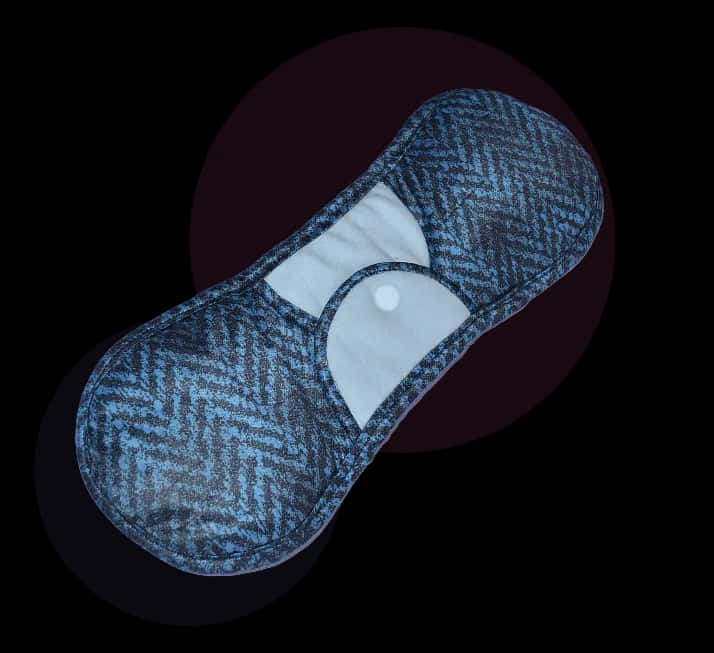
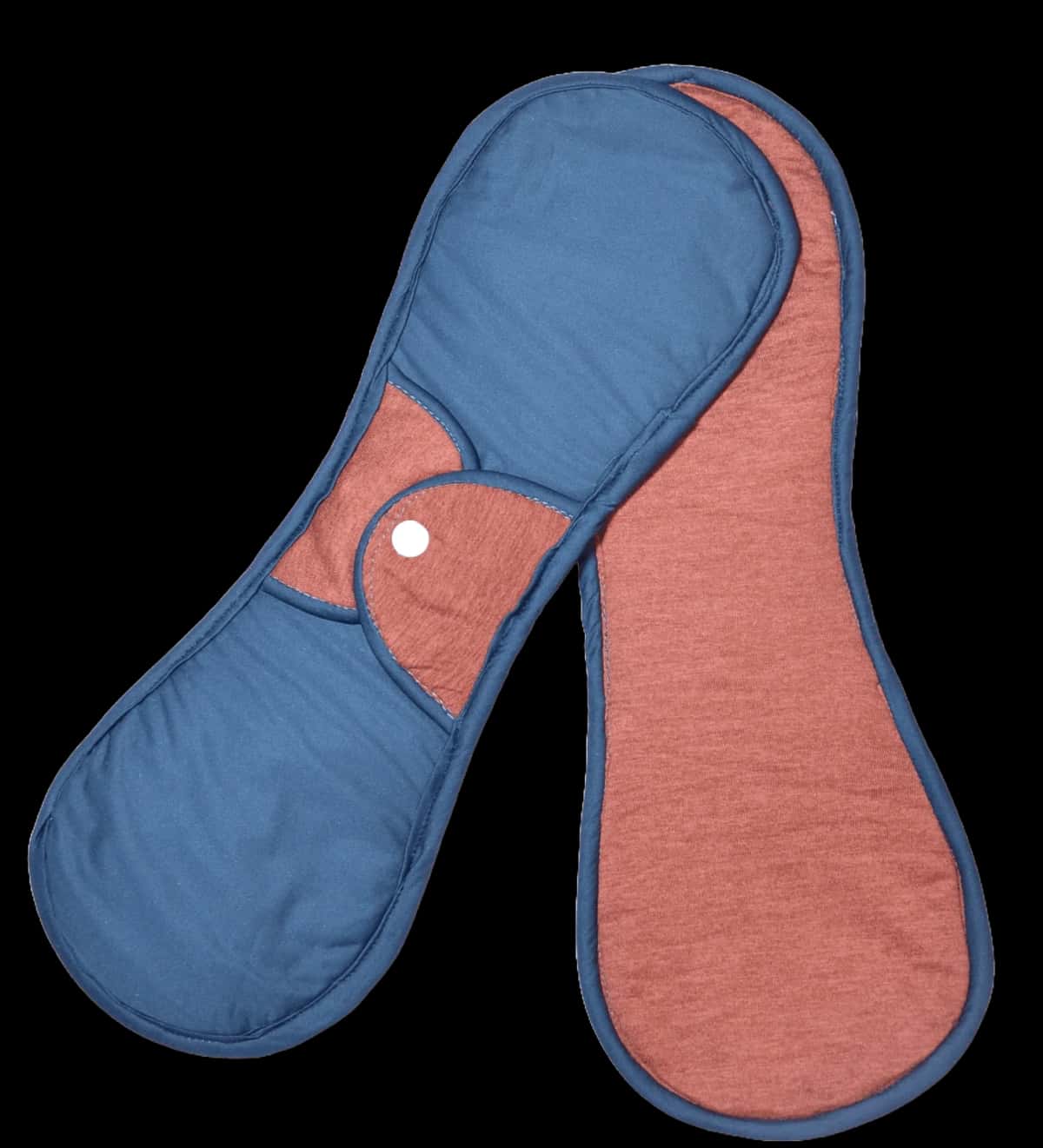
Our pads wey you fit wash

Practical Solution Wey Dey Work for Northern Nigeria
To solve period poverty need solution wey dem design for di culture, money situation and environment of northern Nigeria. General approach wey dey work for other place dey often fail here if dem no adjust am well.
Pad Wey You Fit Wash Use Again: E Make Sense for Northern Families Pocket
Cloth pad wey you fit wash use again na di most practical solution for families wey dey struggle with di cost of disposable product wey dey come every month. Di first money of ₦3,000-₦5,000 for starter set fit look big for family for Bauchi wey dey earn ₦40,000 every month, but di calculation dey make sense quick.
Girl wey dey use disposable pads dey spend about ₦1,500-₦2,000 every month, or ₦18,000-₦24,000 every year. Good pad wey you fit wash use again dey last three years if you take care of am well, so dat ₦5,000 go replace ₦54,000-₦72,000 wey you for spend on disposable pads. For northern Nigerian families, dis na savings of 75-85% – money wey fit pay school fees, buy textbooks, or improve food.
Di benefit for environment matter too for area wey already dey face desert wey dey spread and waste management wahala. Disposable pads get plastic wey dey take 500-800 years to rot finish. For cities like Kano where dem no dey pack waste regularly, used pads dey gather for gutter and open dump, and e dey cause health danger. Pad wey you fit wash use again dey remove dis waste finish
Community Education and To Break Di Silence
Solution to period poverty must face di knowledge gap together with di product gap. Community period health education programmes wey dem adjust for northern Nigerian culture dey show big result. Dis programmes dey work best when dem involve community leaders wey pipo trust, religious scholars, and older women wey fit talk about period for way wey fit di culture.
For Kaduna, programme wey partner with women Islamic education groups reach 3,000 mamas and daughters for 18 months. As dem put period health inside Islamic teaching about cleanliness and to take care of yourself, di programme reduce stigma and still give practical information. Follow-up studies show say 84% of di mamas wey join don talk about period with dia daughters, compared to only 23% for communities wey no join.
Education for school dey work when dem do am with care. To train female teachers to lead period health sessions where na only girls dey, dey create safe place for question and talk. To give simple pictures and information booklets for Hausa dey allow girls learn for dia own pace and share di information with dia younger sisters and friends.
Make School Infrastructure and Rules Better
No period product, whether you fit use am again or you go throw am, fit solve period poverty if girls no get private place to use am. Schools across northern Nigeria need investment for WASH facility (water, toilet and hygiene) wey fit girls: separate toilet for girls with door wey dey lock, place to wash hand with soap, and private place where girls fit change period material without fear say pipo go see dem.
Some schools dey make progress with small resources. Secondary school for Bauchi put simple curtain to separate di toilets and choose one toilet as “girls hygiene room” where students fit get water, privacy, and emergency supply. Dis cheap change increase female attendance by 31% for six-month trial period.
School rules matter as much as facility. Schools for Kaduna and Kano wey dey move with time don bring period health rules wey allow girls to comot from class quietly, dey give emergency supply, and dey give catch-up class for students wey miss lesson because of serious period sign. To create environment where pipo see period as normal health matter, no be shame secret, dey change school culture well well.
Di Benefit of Solving Period Poverty
To solve period poverty dey bring effect wey dey spread pass each girl, e dey make families, communities, and society strong. Di money wey you put for period health dey bring gain for place wey you no expect.
Success for School and Chance to Make Money
When girls dey go school every time for di whole month, dia result dey improve for way wey you fit measure. Schools for Kaduna wey partner with period health programmes see say female students test scores increase by 18% on average over two school years. Girls wey before dey middle of dia class move go near top when dem stop to miss lesson every week.
Better education dey turn to chance to make money straight. Girls wey finish secondary school dey earn 25% more for dia whole life pass those wey drop out. Dem get more chance to delay marriage, born fewer children, and put money for dia own children education. Girl for Katsina wey stay for school because she get period product wey she fit trust fit become di teacher, nurse, or business woman wey go carry her whole family comot from poverty.
Di benefit for community dey multiply when educated women stay for northern Nigeria instead make dem move go south to find opportunity. Local development depend on educated women wey understand wetin dia community need and fit design solution wey fit northern Nigeria special situation.
Better Health and Dignity Wey Come Back
Access to correct period product dey reduce reproductive health problem well well. Clinics wey join period health programmes across Kano and Zamfara report 37% fewer case of infection for reproductive tract among girls wey dey use clean, correct period material. Fewer infection mean less pain, fewer school days wey dem miss because of sickness, and better reproductive health for long time.
Di benefit for mind deep pass wetin numbers fit show. Girls wey dey manage dia period well and for private dey carry demself different. Teachers talk say students wey before dey quiet and dey hide demself during period dey join class well when dem get confidence for dia period protection. Dis confidence dey reach outside school, for social life, religious activity, and family life.
Women dey talk say dem feel like full members of dia community again when period poverty no dey force dem to hide every month again. Trader for Sokoto explain say period protection wey she fit trust make am fit work every day, and her monthly money double. Pass di money, she value say she dey present for her own life instead make she dey hide for house for some days every month.
Environment Wey Go Last and Community Health
Northern Nigeria dey face serious environment wahala like desert wey dey spread, water shortage, and poor waste management. To change from disposable to period product wey you fit use again dey solve many environment wahala at di same time.
Look di waste wey e go reduce: woman dey use about 12,000 disposable pads for di years wey she dey see period. For city like Kano wey get more than 2 million women and girls wey dey see period, dat na billions of pads wey dey enter waste every year. Each pad get plastic wey no go rot for hundreds of years, and many dey end for river, farm, or dem dey burn am for open fire wey dey release poison chemical.
Pad wey you fit wash use again dey remove dis waste finish. Woman fit use 12-15 pads wey she fit wash use again for her whole period life, instead of 12,000 disposable ones. Dis big reduction matter for area where waste management no strong and environment damage dey threaten farm work and public health.
Common Worry About Pad Wey You Fit Wash Use Again for Northern Nigeria
Many women and girls across northern states wan know about pad wey you fit wash use again, but dem dey worry about practical wahala wey concern dia environment and culture. Dis worry deserve honest answer wey get full detail.
To Wash and Dry Am for House Wey Dey Strict
Di worry wey dey come up pass na how to wash pad wey you fit use again for compound where many generations dey live, privacy small, and pipo no dey talk about period open. Women dey worry where dem go wash pad when dem dey share washing place with brothers, uncles, or father-in-law, and where dem go dry am when to dry am for open air fit look like say e no decent or e no correct.
Dis worry correct and e deserve practical solution. Many northern Nigerian women dey wash pad wey dem fit use again quietly: dem dey rinse am for bucket during dia normal bath time, then dem dey wash am well with soap. You fit dry di pads inside bedroom near window, under other clothes for drying line, or for private corner of di compound wey dem keep for women things.
Di hot, dry weather for northern Nigeria dey actually help here. Pads dey dry quick even without direct sun, and di dry air dey reduce worry about mould or smell. Some women dey fold clean dry cloth round di washed pads for drying line so pipo no go see dem but air go still pass. Others dey put dem for net bag wey fit hang inside or for private corner.
Women wey don change dey often talk say di worry wey dem get first big pass di real wahala. Mama of four for Katsina explain say she worry for weeks before she try pad wey she fit use again, but once she get simple routine, to wash dem no hard pass to wash her children clothes.
Water Shortage and Hygiene Worry
For area where women dey trek far to fetch water or where water shortage for dry season serious, to use precious water wash period pad be like something wey no possible. Dis worry show di real daily wahala wey northern Nigerian women dey face about water.
Pad wey you fit wash use again no need as much water as many women think. Unlike disposable pads wey you dey throw away, pad wey you fit use again need only cold rinse to remove blood (dis one dey stop stain), then you go wash am with soap and water like any other clothes. Di total water wey you need na about 1-2 litres for each pad, e small well well pass many house work.
When water shortage serious, women fit rinse pads with water wey dem don use for other work. Di water wey dem take first rinse pads fit go flower or dem fit use am wash floor before dem pour am away. Some women dey keep di water wey remain from dia bath to do first rinse of period pads before dem wash dem with fresh water and soap.
Modern pad wey you fit wash use again wey get layer wey no dey leak and synthetic fabric no need hard scrubbing like old cloth, because blood no dey enter di material deep. Dis mean less water and less strength to clean dem well. Di fabric dey also dry fast pass old cloth, and e dey reduce di place where bacteria wey dey cause smell fit grow.
How E Dey Work for Heavy Flow Days
Many women and girls for northern Nigeria dey get heavy period flow, especially for di first 2-3 days of dia period. Dem dey worry say pad wey you fit use again no go protect dem well, and e go cause leak, stain, and di shame for public wey dem dey try avoid.
Dis worry dey often come from wetin dem experience with old cloth method wey truly no dey protect enough for heavy flow. Modern pad wey you fit wash use again different. E get many layers of fabric wey dey absorb plus layer wey water no fit pass, wey dey stop leak even for heavy flow. Good pad wey you fit use again fit absorb di same or more pass disposable pad wey get di same size.
Di key na to choose di correct absorb level for your flow. For heavy days, women need pad wey get more layers wey dey absorb – normally 4-5 layers for heavy flow compared to 1-2 layers for light days. To change pad every 3-4 hours during heavy flow dey stop di pad from carrying pass wetin e fit absorb.
Girls for schools across Kaduna and Kano wey dey use correct pad wey dem fit use again talk say dem feel safe pass how dem feel with disposable pads, because di layer wey no dey leak dey protect dem well. Di pads dey stay for place better pass disposable ones wey fit shift or squeeze together, and as pad wey you fit use again big small pass, e dey cover more.
Why Sana Pads Understand Wetin Northern Nigeria Need
To face period poverty for northern Nigeria need pass only product – e need understanding of di special wahala wey women for dis region dey face. Sana Pads build on top dis understanding, with solution wey pipo wey sabi dis country design specially for Nigerian women.
As dem dey make am for here, Sana Pads design fit Nigeria weather, water condition, and culture. Di fabric fit handle to dey wash am many times for hard water wey common for northern states. Di layer wey no dey leak dey work for strong heat. Di size and shape fit Nigerian body and di way pipo dey dress. Dis details matter when product need work well for real life.
Sana Pads don support more than 10,000 women directly and share more than 30,000 pads through partnership with schools, NGOs, and health organisations across Nigeria. Many of dis programmes dey focus specially on northern states where period poverty worst. Di feedback from dis programmes dey help us dey improve di product design and di way we dey teach.
Di mission pass to make pad. To end period poverty need change for how pipo dey talk, to build knowledge, and to create community support. Sana Pads dey partner with local organisations wey understand northern Nigerian culture to bring period health education together with product. Dis partnership dey respect religious values and culture, while e dey gently challenge di stigma and silence wey dey harm girls.
To make am affordable na di centre of di mission. Sana Pads dey cost about 50 dollar cents for each piece, and e dey cheap by 75-85% over three years compared to disposable ones. Organisations fit order as many packs as dem need for our fixed price per pack, and we dey deliver to any state for Nigeria. Every girl deserve to manage her period with dignity, no matter how her family money be.
Make We Act Against Period Poverty
To understand period poverty important, but action na wetin dey bring change. Whether you be young woman wey dey find solution for yourself, mama wey want better option for her daughters, or community leader wey wan help, practical steps dey right now.
For Each Person and Families
If period poverty dey worry you, to start with just 3-4 pads wey you fit wash use again fit make big difference. Sana Pads Starter Kit get 3 Premium Pads (each get 1 layer wey no dey leak plus 3 layers wey dey absorb, good for regular flow) and pouch to keep dem, e get everything wey you need to start to manage your period with less money and more confidence.
For light flow days or as backup, No Wahala Pads wey get 1 layer wey no dey leak plus 1 layer wey dey absorb dey protect you when you need less absorb. For heavy flow days, Maxi Pads wey get 1 layer wey no dey leak plus 5 layers wey dey absorb dey give maximum protection and confidence. Many women for northern Nigeria dey mix dem – Maxi Pads for heavy days and Premium or No Wahala Pads for lighter days – dem dey rotate as dem need.
Start small, learn wetin work for your body and your routine, then add more. Most women dey find say 6-8 pads in total dey make sure say dem always get clean pads ready while some dey wash and dry. Di money wey you put go pay back itself inside 3-4 months compared to cost of disposable pads.
For Organisations and Community Leaders
Schools, NGOs, health facilities, and community groups across northern Nigeria dey for special position to face period poverty for big scale. To run period health programmes dey bring effect quick while e dey build solution wey go last.
School for Kano fit give every female student starter set of pads wey dem fit wash use again for less money pass wetin disposable pads for one term go cost for just one student. Di pads go still dey useful for years.
E dey work best when dem join product sharing with education. Girls need information about dia body, how to use and take care of pad wey you fit use again, and where dem go go if dem get question or problem. Teachers or community health workers fit give dis education for way wey fit di culture, wey go reduce stigma and build confidence.
Chance for partnership dey for organisations wey commit to end period poverty for northern Nigeria. Whether you dey work for education, health, women empowerment, or community development, period health fit connect to your mission. To reach out make we talk how pad wey you fit wash use again fit make your programmes strong no cost anything, and e fit open new way to make impact.
Period poverty for northern Nigeria no be problem wey no get solution. Na challenge wey get practical, cheap solution wey dey work when communities commit to act. Every girl wey go school with confidence during her period dey move one step near di future wey she deserve. Every woman wey join full for money matter and social life dey make her family and community strong. Di way forward need honest talk, respect for culture, and practical tools wey dem design for northern Nigeria reality. Pad wey you fit wash use again na di foundation, but di real solution na when communities decide say every woman dignity matter. Whether you need pads for yourself, your daughters, or your community programmes, to take dat first step goperiod health solution dey start di change wey go transform future across northern Nigeria.
Continue to read for Period Poverty for Nigeria
Questions wey pipo dey ask well well
Why I go choose Sana Pads pass normal disposable pads?
Sana Pads na high-quality material wey you fit use again, e be sustainable option wey good for environment instead of disposable period product. E soft for your skin, e dey absorb well well, and e go save you money for long run. When you choose Sana Pads, you dey help reduce plastic waste, and you go enjoy comfort and pad wey you fit trust for your whole cycle.
How long I fit wear Sana Pad before I need wash am?
Sana Pad dey give you comfort and protection for 4 to 8 hours, depending on your flow. To stay fresh, change am every 4 to 6 hours - more often for heavy days. After every use, rinse am for cold water and wash am with soap. If you take care of am well, each pad go last 2 to 3 years.
Sana Pads safe for skin wey dey sensitive?
Yes, Sana Pads na soft material wey dey breathe and wey no dey cause allergy, so e gentle for your skin. E no get harmful chemical and toxin wey dem dey often find for disposable pads, so e be correct choice for pipo wey get sensitive skin or allergy.
How I go take clean and take care of my Sana Pads?
Rinse your pad for cold water immediately - hot water dey make blood stain stick. Then wash am with mild soap, with hand or for machine, and rinse am until di water come out clear. Dry am finish for direct sun, sun dey also kill germs. Abeg no use tumble dryer, bleach or fabric softener: dem dey spoil di layers wey dey absorb. If you take care of am like dis, Sana Pad go last 2 to 3 years.
Price dey change if I order plenty?
No. Each product get fixed price per pack, no matter how many packs you order. You fit calculate your total with our price calculator. For big order, send us direct message and we go confirm di delivery cost with you before you pay.
Testimonials
See wetin our customers dey talk about our products.
Women for all over di world dey buy Sana

“I dey really love Sana reusable pads! Dem dey make me relax and feel free for my period time. Plus, dem don reduce the cost and stress of buying disposable pads every month well-well. Kudos to Sana for making dis kind correct product – I go be fan forever!”
“Sana Pad good well-well, e dey make you comfortable and free. I love the pads, na the best ever!”

“I don try different brands of reusable pad, but Sana stand out for the quality, the comfort and how e dey last. Dem design am with sense, and the material dey gentle for my skin. As I change to Sana, e don reduce how I dey spoil environment and e don also save me money for long run. I dey grateful for dis solution wey go last!”

“For first, e dey irritate me to use washable sanitary pad. I decide to try am, and to my greatest surprise, e comfortable well-well and e easy to wash. You fit even do your daily things without fear say blood go stain you for public. I wan give Big shout out to SANA PADS!!”

“To dey buy disposable pads every month dey add up well-well, so I talk say make I try Sana Pads. E surprise me how soft dem be, and dem dey work well for long days for university. To wash dem simple, and e don reach months wey I never buy new pad, so e don save me money. I also like say dem dey better for environment. E sweet me say I get option wey cheap and wey better for environment.”

“I don try different pad brands for years, but Sana pads really stand out. From the first time I use am, I see the difference — e soft for skin, e dey soak well-well, and e comfortable die. Even for my heaviest flow days, Sana pads dey hold well. Wetin I also love na how the material dey allow air pass and e good for skin. If you dey find pad wey get comfort, wey you fit trust, and wey get quality, I really recommend make you try Sana pads.”
Time to join hand
Contact Us
Margaret Ochegbudu
Business Manager