Solution for Period Poverty: How Nigeria Dey Break Di Wall Wey Block Women
Where pipo don see us







 Margaret Ochegbudu don check am · Update 26 min to read
Di solutions wey get evidence for back na: pad wey you fit wash use again, wey dey cut di money wey you dey spend on pad by 70 to 85 percent; period education wey include boys too; water and toilet wey get lock for schools; and to make pad for here so supply no go depend on import. If na only to dash pipo pad, e no dey change anything after di month wey di pad reach.
Wetin You Go Learn: Solutions Wey Dey Really Work
Period poverty dey affect pass 30 million Nigerian women and girls, but solutions wey don prove demselves dey bring real change for our communities.
Di Main Points:
- Pad wey you fit wash use again dey reduce di money for period product by 70-85% compared to disposable pad, and e dey save Nigerian families thousands of Naira every year.
- Period education programs for community fit increase how girls dey attend school by up to 40% for di schools wey join.
- When we make cheap period products for here, e dey create work and e dey fight period poverty from di root.
- Government dey partner with schools and health centres to give free or cheap products to pipo wey need am pass for Nigeria.
- Plan wey join many sectors together, wey combine product, education and WASH facilities (water, toilet and hygiene), na im dey give result wey go last pass.
- Small small things wey each person fit do, from to dash pad to start to talk about am, dey help end period poverty for di whole country.
- Organizations like Sana Pads don already support pass 10,000 Nigerian women directly with solutions wey cheap and wey dem make for here.
Make we look exactly how dis solutions dey work and how you fit join hand end period poverty for your community.
Ladi sidon for di rough wooden bench outside her classroom for Kaduna, dey watch her classmates dey enter for di mathematics exam wey she don read for weeks. She don reach 16, she suppose dey waka enter dat door with confidence. Instead, she dey stay house three days every month because her family no fit afford sanitary pad. Her teacher, Mrs. Adebayo, notice di pattern. When she gently ask Ladi why she dey miss school, di truth come out: period poverty no just dey thief Blessing dignity, e dey thief her future. Mrs. Adebayo sabi say Ladi story no be only her own. All over Nigeria, millions of girls and women dey face dis same hidden wall every month. But see wetin dey give hope: solutions to period poverty dey, dem dey work, and dem don already dey change lives for Nigeria.
To Understand Period Poverty for Nigeria: Di Problem Wey We Dey Solve
clean toilet and facilities, or education about period. For Nigeria, dis one mean schoolgirls wey dey miss class, market women wey dey lose money when dem dey see period, and mothers wey must choose between to feed dia family and to manage period with dignity.
Di numbers dey tell story wey dey make person sad, but dem also dey show us where solutions must focus.
Di Real Cost of Period
A Nigerian woman dey see period around 450 times for her whole life. If she dey use disposable pad wey cost ₦150-300 per pack on average, and she need 2-3 packs every month, na ₦300-900 every month be dat. For family wey dey earn ₦30,000-50,000 every month, dis na heavy load, especially when plenty daughters don reach di age to dey see period.
Think am like dis: if you get three daughters for school, you fit spend ₦2,700 every month only for sanitary pad. Na money wey for buy rice, pay transport go school, or pay for hospital. Plenty families no fit stretch dia money reach dat far.
When di choice na food or pad, pad go lose. Girls come dey use rag, newspaper, mattress foam, or nothing at all. Dis kind manage-manage things dey cause infection, dem dey leak anyhow, and dem dey bring worry every time wey dey stop girls from to join fully for school and for life.
Why Girls Dey Miss School
Research from Nigerian schools show say girls dey miss 4-5 school days every month on average because of period. For one school year, na 48-60 days of education wey dem lose be dat. By di time girl finish secondary school, she fit don miss one full year of learning compared to di boys for her class.
Di reasons pass just say pad no dey. Plenty schools, especially for village areas and northern states, no get correct WASH facilities (water, toilet and hygiene). Toilet wey no get door, no running water to wash hand, no private place to change pad – dis kind condition make am almost impossible to manage period for school.
Shame and stigma dey make di problem worse. Teachers wey no understand period fit punish girls because dem no come school. Boys for class fit laugh when dem see stain. Girls wey see dia first period for school without preparation dey often feel shock and dem dey fear to come back.
Dis education gap get consequence for di whole life. Girls wey dey always miss school dey fall behind for book, dem dey lose confidence, and dem dey drop out more. Small education dey limit di work wey dem fit get later and di money wey dem fit earn, and poverty go continue dey turn round.
Di Effect Wey Pass Education
Period poverty no dey end when girls comot from school. Women wey dey work for market, farm, or office get dia own wahala. Woman wey dey sell tomato for Wuse Market for Abuja no fit leave her stall for hours to find toilet or change pad. Nurse wey dey work 12-hour shift need period protection wey she fit trust, but her pay fit too small to buy good product.
Women dey wear pad pass di time wey safe, and dem dey risk infection. Some dey avoid social gathering, church or mosque service, or family events when dem dey see period. Di wahala for mind – to feel dirty, to feel shame, or to feel say you no reach – dey damage mental health and how person value herself.
Period poverty also dey put pressure for health system. Infection wey come from period practice wey no clean dey lead to hospital visit and treatment wey for no happen if pipo get clean product and education.
Solutions Wey Don Prove Demselves: Wetin Really Dey Work
To solve period poverty, you must attack di problem from many sides. No one solution fit work alone, but when all dis ways join together, dem dey bring change wey go last.
Solution 1: Period Products Wey Cheap and Wey You Fit Use Again
Pad wey you fit wash use again na one of di solutions wey save money pass for period poverty. No be like disposable wey you must buy every month, good reusable pad dey last 2-3 years if you care for am well.
See di calculation wey dey change life: set of 6-8 reusable pads cost around ₦8,000-12,000 at once, but e go stop di ₦600-900 wey you dey spend every month for years. For three years, woman wey dey use reusable go save ₦20,000-30,000 compared to disposable. For families wey get plenty daughters, di savings go multiply well well.
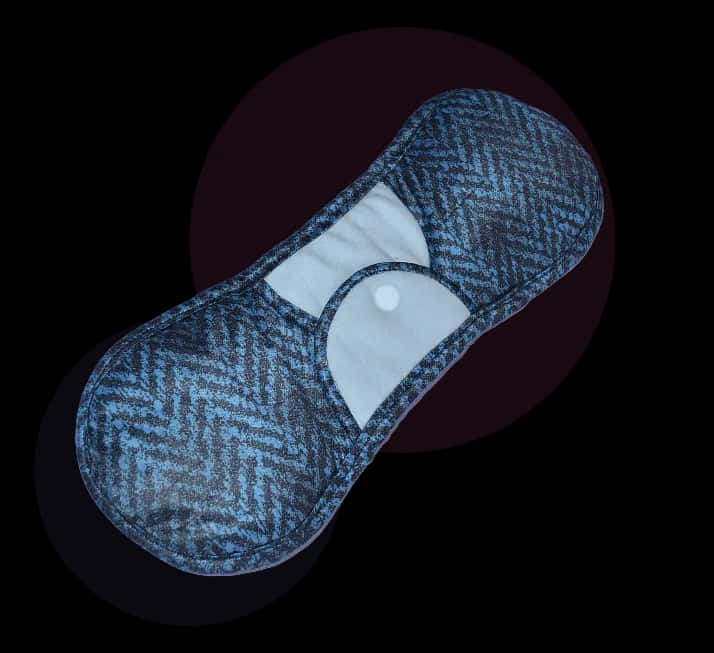
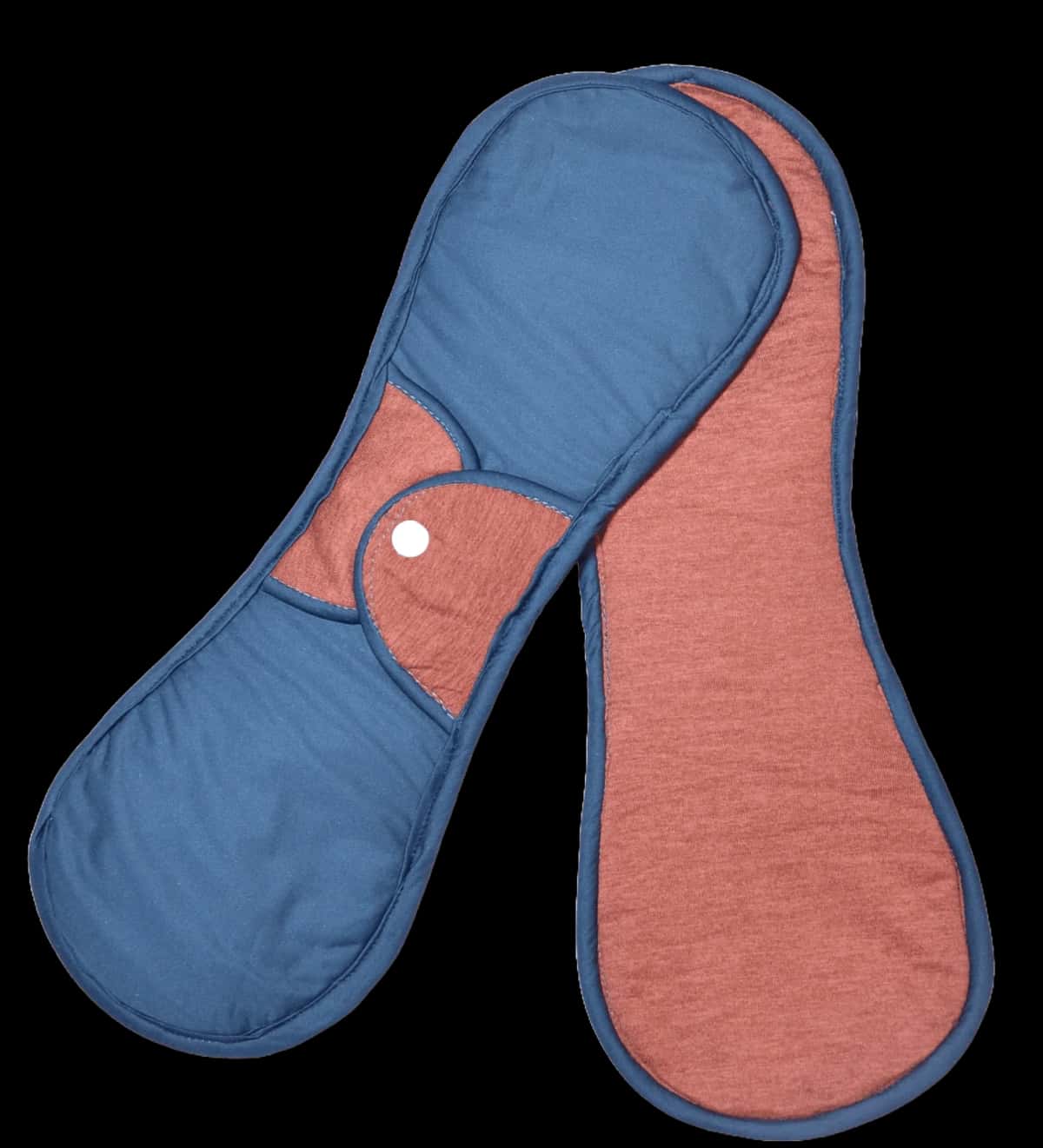
Reusable pad dey work through design wey smart and simple. E get layers wey dey absorb wey dem sew inside fabric wey no dey leak, and you fit hook am for pant with snaps or wings. After you use am, you go rinse am for cold water, wash am with normal soap, and dry am for sun. Sun dey naturally kill germs for di fabric. You no need special equipment or costly detergent.
Di problem with reusable no be di product itself but di money wey you must pay at once and di knowledge gap. Woman wey dey earn daily pay fit no get ₦10,000 at once, even if she sabi say she go save money for long run. She fit also worry how she go wash pad when she no get privacy, where she go dry am for compound wey many pipo share, or whether e really dey work like disposable.
Na here subsidy, payment plan, and community education programmes dey close di gap. When women fit pay ₦2,000 every month for some months, or dem receive starter kit as gift, di wall go disappear. When dem see neighbours wey dey use reusable well and dem learn how to care for am, confidence go build.
Solution 2: Period Health Education Programs
Product alone no dey solve period poverty. Girls and women need correct information about dia body, period health, and hygiene. Unfortunately, plenty Nigerian communities still dey treat period like shame and secret, and dis one dey leave girls without di information wey dem need, wey fit put dem for danger.
Full period health education dey cover wetin period be, why e dey happen, wetin normal and wetin suppose worry you, and how to manage period clean. E dey answer myths like “no touch plant when you dey see period” or “to baff when you dey see period dey cause infertility” wey no get any science for back but dey cause fear wey no need dey.
Schools na correct place for dis education. When teachers get training to talk about period well and correct, dem fit prepare girls before dia first period. Boys suppose join too, make dem learn say period na normal biology, no be shame. Dis one dey reduce yabis and e dey build school wey dey support girls.
Community health workers, mothers groups, and religious leaders also get big role. For Kano or Sokoto, where culture strong well well, when respected pipo for community support period education, e dey give am weight. When women dey teach for groups wey na only women, e dey create safe place to ask question and share experience.
Programmes wey dey work no dey just lecture. Dem dey make pipo join: dem dey show how to wash pad, dem get question box where pipo fit drop dia worry without name, and women wey don benefit from good period health dey share dia story. Dem dey look di whole picture – products, facilities, and culture.
Solution 3: Better WASH Facilities (Water, Toilet and Hygiene)
Water, toilet and hygiene facilities na di foundation wey make am possible to manage period. Even if girls get pad, dem no fit manage period for school without clean toilet, running water, place to throw pad, and privacy.
Schools all over Nigeria dey face serious WASH problem. Toilet wey dem build for 50 students dey serve 300. Water no dey come regular or e no dey at all. Lock for toilet door don spoil. Dustbin no dey. Dis kind condition hard for anybody, but e dey almost impossible when you dey see period.
When pipo invest for school WASH facilities, e dey directly affect how girls dey come school. Schools wey build separate toilet for girls with door, running water to wash hand, mirror, and dustbin wey get cover dey see quick improvement for how girls wey dey see period dey comfortable and dey come school.
Di solutions no need costly technology. Hand washing station fit be simple tippy-tap wey dem make from jerrycan. Dustbin fit be container wey dem make for here with cover and lining, wey dem dey empty regular. Simple door lock and repair fit improve privacy.
Wetin important na maintenance and to make am last. Plenty schools don receive toilet block through government or NGO project, but within some months e spoil because no maintenance plan dey. Solutions must include to train staff, to share cleaning work, to put money aside for repair, and to set up system wey go hold pipo responsible.
How to Bring Dis Solutions Come Your Community
To understand solutions na one thing. To make dem happen for Lagos, Port Harcourt, or your own community need practical steps wey anybody fit take.
For Each Person: Start Small, Think of Long Time
You no need solve period poverty for di whole country before you fit make difference. Start with wetin dey your hand.
If you dey see period and di cost dey worry you, calculate how much you dey spend on disposable pad every year. Compare am with di one-time money for reusable. Plenty Nigerian women don discover say dem dey spend ₦7,000-11,000 every year on disposable. Starter kit of three good reusable pads cost around ₦4,000-6,000 and e dey cover light to medium days. As you dey save money because you dey buy less disposable, use am buy more pad until you get enough for your whole period.
Learn how to care for am before you buy. Reusable pad need make you rinse am within few hours after you use am so stain no go set, wash am with normal soap (no be strong detergent wey dey damage fabric), and dry am finish before you keep am. For Nigeria weather, to dry am for sun dey work perfect and e dey naturally kill germs. If privacy dey worry you, dry di pad inside-out or among other dark clothes so e no go show.
Mothers, talk to your daughters about period before dia first period, best around age 10-11. Explain wetin go happen, say e normal and healthy, and how dem go manage am. Show dem di products and make dem feel free to ask question. If you open up now, e go stop shame and confusion later.
If you get money to help others, think about to dash. Instead of to buy gift for events, dash packs of pad to school or orphanage near you. When you buy reusable pad for yourself, buy extra set for person wey no fit afford am. Small things dey multiply when plenty pipo join.
For Schools and Teachers: Make School Good for Girls Wey Dey See Period
School heads and teachers get big power to stop di education wey girls dey lose because of period poverty. Di steps simple and many times dem no cost much.
Start by checking your school WASH facilities like say you be student wey dey see period. Separate toilet for girls dey? E get lock wey dey work, running water, soap, and dustbin? If no, put dis improvements first. Join hand with PTA to raise money or go meet local government education board make dem upgrade di facilities.
Get emergency pad supply. Keep box of pad for school clinic or for office of one female teacher wey una choose. When period start for girl when she no expect am or she no fit afford pad, she fit collect am quietly. Dis one go stop girls from going house and missing full school days.
Train all teachers, no be only women, on di basics of period health. Male teachers suppose understand why girl fit ask to go out, look like say her mind no dey, or dey miss school regular. Dem suppose respond with care, no be punishment or to shame her.
Put period health inside di curriculum. E fit well for biology, health education, and life skills class. Invite health workers or organizations like Sana Pads to do workshop. Make boys and girls dey together when e make sense, so boys go learn to support instead of to laugh.
Think about peer education program where senior girls dey guide junior ones about period. Dis one dey create support system and e dey make di talk normal. Girls dey often feel free pass to ask dia mates question than to ask adults.
For NGOs, Health Workers, and Community Leaders: Make Solutions Reach Plenty Pipo
Organizations and community leaders fit run solutions for big scale, wey go reach hundreds or thousands of women and girls.
Health centres fit put period health inside maternal health services, adolescent health programmes, and community outreach. When nurses dey visit communities for immunization or health education, to add period health no go take plenty extra time but e go fill important gap.
NGOs wey dey work on education, women empowerment, or health fit add period health to di programmes wey dem don get. If you don dey run girls education program, to add period product and education go make di result strong. If you dey work with women to reduce poverty, to fight period poverty go help dem keep dia money-making work all year.
To buy in bulk dey make products affordable for distribution programmes. Sana Pads dey supply schools, NGOs and community programmes of any size for di same fixed price per pack. When you join am with education on how to use and care for am well, product distribution dey bring impact wey go last.
Partner with local makers when you fit. To get products from Nigerian companies like Sana Pads dey support local jobs and e dey make sure say di products fit Nigerian situation – dem design am for our weather, dem understand our culture, and dem dey available for support or replacement.
Measure and write down your impact. Track how girls dey come school before and after. Collect testimonials. Record how many women get products. Dis data dey help get more funding and e dey give proof to expand di ways wey work.
Our pads wey you fit wash

Di Benefits: Why Solutions to Period Poverty Matter
To fight period poverty dey bring benefit wey pass di quick relief of giving pad. Di benefits dey flow enter education, health, money, and how di community dey.
Better Education and Better Money
When girls dey come school every time, dia whole education go change. Studies from schools wey dey run period health programmes show say girls wey dey see period dey come school 30-40% better. Dat extra days of learning dey add up over years.
Girls wey stay for school dey do better for book, dem dey get confidence, and dem dey reach higher level of education. For Nigeria where competition for education strong, dis one matter well well. Girl wey dey miss 50 days every year no fit keep up with her classmates, no matter how sense she get. Girl wey dey come school every time get chance to shine.
Education dey connect straight to money opportunity. Women wey finish secondary school dey earn more well well for dia life than di ones wey drop out. Dem fit start business more, get proper work, and stand on dia own for money matter.
Di money benefit pass only di woman. When women earn more, dem dey put plenty for dia family, especially children education and health. Communities where women get money power dey see less poverty, better food for children, and better development overall.
For women wey don dey work, period products wey dem fit trust mean say dem no go lose money because dem miss market days or work shift. Trader wey before dey stay house three days every month fit now work dat days, and her money go increase by around 10% every month. Dat extra money dey feed children, pay school fees, or build savings.
Better Health and Dignity
Correct period hygiene dey prevent infection wey dey come from to use things wey no clean or to wear pad too long. Infection for reproductive tract fit cause discomfort, need medical treatment, and for serious cases, e fit lead to wahala wey affect fertility.
Good period products wey you dey change regular and keep clean dey remove dis risks. Women dey report say infection don reduce, discomfort don reduce, and dia health better when dem fit manage period clean.
Di benefit for mind and feelings big too. Period poverty dey carry heavy shame. Girls dey feel dirty, shame, and like say dem no reach like dia mates wey fit afford product. Women dey feel say dem no fit take care of demselves for basic way.
When pipo get period products, dia dignity dey come back. Women and girls fit join life without fear or shame. Dem fit go school, work, worship, mix with pipo, and waka for world with confidence, no matter where dem dey for dia cycle.
Dis confidence dey affect how dem value demselves for everything. Girls wey feel say dem fit manage dia period dey feel say dem fit do other things too. Dem dey talk more for class, take leadership role, and stand up for demselves.
No underrate di benefit for mental health. Di stress wey no dey end – to dey fear leak, to manage period without enough supply, and to carry shame – dey really affect mind. When dis load comot, mental health go better.
Effect for Environment and Community
Reusable period products also dey help Nigeria waste problem wey dey grow. Woman wey dey use disposable pad dey produce around 5,000-7,000 used pads for di whole time wey she dey see period. Multiply am by millions of women, and di waste go plenty die.
Disposable pad get plastic wey no dey rot for hundreds of years. Dem dey block gutter for cities like Lagos where waste management don already dey struggle. Dem dey pile up for dumpsite or dem dey burn am, and e dey release chemicals wey dey harm.
Reusable pad wey dey last 2-3 years dey reduce dis waste by around 90%. For woman whole life, to switch to reusable fit stop 6,000+ disposable pads from entering waste. Dis benefit for environment no cost extra and e dey happen by itself.
Change dey show for community when solutions to period poverty spread. As more women dey use reusable and dey talk about am open, stigma dey reduce. Mothers wey receive period health education dey teach dia daughters different way. Boys wey learn with girls dey grow become men wey support period policy for work and wey no dey shame dia wives or daughters.
Dis change for culture, to treat period as normal biology instead of shameful secret, dey benefit everybody. E dey create communities where girls fit learn without wall, women fit work without monthly disturbance, and families dey talk about health open.
Answer to Di Worries Wey Pipo Get About Di Solutions
Change dey always bring doubt. Pipo dey worry whether di solutions go really work for dia own situation or whether hidden problem dey.
"E Hard to Wash and Take Care of Pad Wey You Fit Use Again"
We understand dis worry well well, especially for women wey dey live for compound wey dem share toilet and bathroom, wey no get enough water, or wey no get privacy. Nobody want solution wey go bring new wahala.
Di truth be say to wash reusable pad simple pass wetin most pipo think. E dey take almost di same time as to wash pant with hand, something wey most Nigerian women don already dey do regular. You go rinse di pad for cold water until di water clear, then wash am with normal soap and water. Na im be dat. No special detergent, no complicated process.
Di key na to rinse am quick after you use am, best within few hours. Fresh blood dey rinse easy. Blood wey don dry go need more scrubbing. If you no fit wash am immediately, rinse am quick and soak am for container wey get cover until you fit wash am well.
To dry am no need light or special equipment. Nigeria sun dey actually perfect to dry pad and e dey naturally kill germs. Hang am for line, spread am flat for roof, or put am for chair near window. E go dry finish within hours for our weather.
Privacy worry make sense. Some women dey fear say men for family go see pad wey dey dry. Simple solutions dey work: dry am inside-out so na di print go show but di layers wey dey absorb go hide, hang am among dark clothes so e no go show, or dry am for your room instead of di place wey everybody dey share.
Water scarcity dey bring wahala true true. For areas where dem dey bring water with truck or pipo dey buy am, to use extra water to wash pad fit look like waste. But di water wey you need to wash pad small, like to wash few pant. You fit also use di first rinse water for plants or for cleaning before you do di last wash.
"I No Get Money to Pay for Reusable Pad at Once"
Di money wey you go pay at once for reusable pad – normally ₦4,000-12,000 depending on how many you buy – dey feel like plenty when you don used to buy one pack of disposable at a time for ₦200-300.
Think am like when you dey buy phone or shoe. You pay more at once but you go use am for years. Di difference be say reusable pad dey pay for itself within 6-8 months because you no dey buy every month again, then e go continue dey save you money for years after.
Plenty Nigerian women dey manage di cost by starting small. Buy one or two reusable pads first. Use dem for light days while you still dey use disposable for heavy days. As you dey save money because you dey buy less disposable, buy another reusable pad. Small small, build your collection over some months.
Starter kit dey make am cheaper to start. Basic set of three pads cost around ₦4,000-6,000 and e dey cover most of your period. Dis one less than di cost of disposable pad for 6-8 months.
For families wey really no fit afford even starter kit, find help. Plenty schools, churches, mosques, and NGOs dey run period health programmes wey dey give free or cheap pad. Health centres sometimes dey share period products. No let pride stop you from collecting help wey fit change your life or your daughter education.
Organizations and pipo wey want help suppose think about donation programmes or payment plans. When women fit pay ₦1,000-2,000 every month for some months, or receive pad as gift, di wall go disappear. Di dignity wey dey come with to pay small small dey often matter pass di money itself.
"My Daughter No Go Use Reusable Pad - Shame Go Catch Her"
Parents dey worry say if dem give dia daughter reusable pad when her mates dey use disposable, shame go catch her or she go feel poor. Dis worry dey come from love and di wish to protect children from stigma.
Di truth be say nobody dey see which type of pad you dey use. Reusable pad dey hook for pant di same way disposable dey do, nobody go see am under cloth, and e dey do di same work. Your daughter classmates no go know whether she dey use disposable or reusable unless she tell dem.
Plenty young women dey actually prefer reusable once dem try am. E comfortable pass disposable, e no dey make noise or squeeze together, and e no dey cause di irritation wey some cheap disposable dey cause. Girls dey report say dem feel safe pass with good reusable wey no dey leak.
Di key na to present reusable for positive way. No talk say, “We too poor for disposable, so you must use dis one.” Instead talk say, “Dis one better for your health, e comfortable, and e go save our family money for other things wey you need.” Show am as smart choice, no be sacrifice.
Make your daughter join choose her pad. If she pick colour or design wey she like, she go feel say na her own. Teach her how to care for am well so she go feel confident and able.
If shame for school still be worry, give her small wet bag or dark pouch to carry used pad go house quietly. E go look like any other small bag inside school bag and nobody go see di used pad.
Remember say millions of Nigerian women dey use reusable pad well. Your daughter no go dey alone or strange. As more pipo dey use period products wey dey last, dem dey become normal and pipo dey accept dem more.
Why Sana Pads: Nigerian answer for Nigerian women
Even though different solutions to period poverty dey, products wey dem make for here get special advantage for Nigerian women and communities.
Sana Pads dey make reusable sanitary pad right here for Nigeria. Dis one matter because we understand Nigerian bodies, Nigerian weather, and Nigerian wahala for way wey imported products no fit. We design pad wey dey work for Lagos heat wey get humidity, wey dey dry quick for harmattan sun, and wey fit di needs of women wey dey work for market, school, farm, and office all over our country.
Our products dey cover different needs for price wey person fit reach. No Wahala Pads, with one layer wey no dey leak and one layer wey dey absorb, dey work well for light flow days or as backup protection. Premium Pads get three layers wey dey absorb for normal flow. Maxi Pads get five layers wey dey absorb for heavy flow days or for night. Dis variety mean say you fit match pad to your own need instead of to force one size for everything.
We don support pass 10,000 women directly and share more than 30,000 pads all over Nigeria through partnership with schools, NGOs, and community organizations. Dis numbers no be just sales. Dem be girls wey stay for school, women wey work full months without break, and families wey move pad money go food and school fees.
We also dey give guide on how to run period health education together with products, because we sabi say pad alone no reach.
Our mission pass to sell products. We dey work to end period poverty for Nigeria by making good period products reach every woman, no matter how much money she get. Every pad wey we sell for normal price dey help us give pad cheap to girls and women wey no for fit afford am. When you choose Sana Pads, you dey join dis big mission.
Because we dey make am for here, we dey create jobs for Nigerians, support Nigerian families, and keep money dey move for our economy. E also mean say you fit reach us when you need us, we understand di wahala wey you dey face, and we dey always improve our products based on wetin Nigerian women tell us.
How to Start: Your Next Steps
To understand solutions to period poverty matter, but na action dey bring change. See how to start, whether you be one person, family, organization, or community leader.
For Each Person and Families
If period poverty dey worry you yourself, di first step na to reach out. Contact health centres, schools, or NGOs near you to ask about period health programmes. Plenty organizations dey give free product or education but dem no dey advertise well. You no go know wetin dey until you ask.
Think about to switch to reusable pad to break di cycle of monthly cost. Di Starter Kit from Sana Pads get three Premium Pads plus storage pouch, normally everything wey you need to start. Start to use dem for lighter days while you dey build confidence with washing and care. As you dey save money because you dey buy less disposable, buy more pad for heavier days.
If you get daughters, talk to dem about period before dia first period. Explain wetin go happen, prepare products before time, and make house wey dem fit ask question without shame. How open you be now go shape how dem see dia body for life.
Spread di information for your people. When friends talk say period cost dey worry dem, share wetin you don learn about reusable options. When you see good product wey dey work, recommend am. To break di silence about period poverty dey help others find solution.
For organizations and leaders for community
Schools suppose start by checking di period health support wey dey now. Students fit get emergency pad? WASH facilities dey okay? Period health dey inside curriculum? Find di gaps, then put di improvements first based on di money and things wey dey.
Health centres fit put period health inside di community health programmes wey dem don already get. Train health workers to talk about period during normal visits and keep period products to give patients wey need am pass.
NGOs and community organizations fit partner with makers like Sana Pads to get products in bulk together with education programmes. We also dey give support to help your programmes succeed.
Religious and traditional leaders fit help make talk about period normal. When respected pipo for community talk about period poverty and support solutions, culture wall dey reduce. Your voice dey give families permission to talk about things wey dem before see as taboo.
Contact Sana Pads directly to talk about partnership, orders, or guide on how to run am for wetin your community need.
Make We Move Forward Together
Period poverty dey affect pass 30 million Nigerians, but e no be something wey must be. Reusable products wey cheap dey reduce cost by 70-85%. Period health education dey keep girls for school and dey build communities wey get better health. Better WASH facilities dey create place where women fit manage period with dignity. Dis solutions dey work – thousands of Nigerian women and girls don already dey benefit from dem.
Di question no be whether we fit solve period poverty for Nigeria. Di question na how fast we fit make solutions reach every woman and girl wey need dem. Dat speed depend on all of us – each person wey dey make informed choice, families wey dey break silence about period, organizations wey dey run programmes, and communities wey dey support change.
Start from where you dey with wetin you get. Switch to reusable, save money and reduce waste. Talk to your daughter about her body. Dash pad to school near you. Bring period health education enter your organization. Every action dey help build Nigeria where period poverty no go decide again which girls go school, which women fit work, or who dey live with dignity and who dey suffer for silence.
Learn more about full ways to fight period poverty for Nigeria and how communities all over our country dey create change wey go last through local solutions wey respect our cultures while dem dey push women health and opportunity forward.
Continue to read for Period Poverty for Nigeria
Questions wey pipo dey ask well well
Why I go choose Sana Pads instead of normal disposable pad?
Dem make Sana Pads with materials wey get high quality and wey you fit use again, so dem be alternative to disposable pad wey dey last and wey good for environment. Dem gentle for your skin, dem dey absorb well well, and dem dey save money for long run. When you choose Sana Pads, you dey help reduce plastic waste while you dey enjoy comfort and pad wey you fit trust for your whole cycle.
How long I fit use Sana Pad before I need to wash am?
Sana Pad dey give you comfort and protection for 4 to 8 hours, depending on how your flow be. To stay fresh, change am every 4 to 6 hours - more often for heavy days. After every use, rinse am for cold water and wash am with soap. If you care for am well, each pad dey last 2 to 3 years.
Sana Pads safe for skin wey dey react quick?
Yes, dem make Sana Pads with soft materials wey dey breathe and wey no dey cause allergy, so dem gentle for your skin. Dem no get di harmful chemicals and toxins wey dey common for disposable pad, so dem be correct choice for pipo wey get sensitive skin or allergy.
How I go clean and take care of my Sana Pads?
Rinse your pad for cold water immediately - hot water dey make blood stain set. Then wash am with mild soap, with hand or for machine, and rinse am until di water clear. Dry am finish for direct sun, wey also dey kill germs. Abeg no use tumble dryer, bleach or fabric softener: dem dey spoil di layers wey dey absorb. If you care for am like dis, Sana Pad dey last 2 to 3 years.
Price dey change for big order?
No. Each product get fixed price per pack, no matter how many packs you order. You fit calculate your total with our price calculator. For big order, send us direct message and we go confirm di delivery cost with you before you pay.
Testimonials
See wetin our customers dey talk about our products.
Women for all over di world dey buy Sana

“I don try different brands of reusable pad, but Sana stand out for the quality, the comfort and how e dey last. Dem design am with sense, and the material dey gentle for my skin. As I change to Sana, e don reduce how I dey spoil environment and e don also save me money for long run. I dey grateful for dis solution wey go last!”

“For first, e dey irritate me to use washable sanitary pad. I decide to try am, and to my greatest surprise, e comfortable well-well and e easy to wash. You fit even do your daily things without fear say blood go stain you for public. I wan give Big shout out to SANA PADS!!”

“I dey really love Sana reusable pads! Dem dey make me relax and feel free for my period time. Plus, dem don reduce the cost and stress of buying disposable pads every month well-well. Kudos to Sana for making dis kind correct product – I go be fan forever!”
“Sana Pad good well-well, e dey make you comfortable and free. I love the pads, na the best ever!”

“To dey buy disposable pads every month dey add up well-well, so I talk say make I try Sana Pads. E surprise me how soft dem be, and dem dey work well for long days for university. To wash dem simple, and e don reach months wey I never buy new pad, so e don save me money. I also like say dem dey better for environment. E sweet me say I get option wey cheap and wey better for environment.”

“I don try different pad brands for years, but Sana pads really stand out. From the first time I use am, I see the difference — e soft for skin, e dey soak well-well, and e comfortable die. Even for my heaviest flow days, Sana pads dey hold well. Wetin I also love na how the material dey allow air pass and e good for skin. If you dey find pad wey get comfort, wey you fit trust, and wey get quality, I really recommend make you try Sana pads.”
Time to join hand
Contact Us
Margaret Ochegbudu
Business Manager