Shame Wey Pipo Get About Period for Nigeria: Make We Break Di Silence
Where pipo don see us







 Margaret Ochegbudu don check am · Update 28 min to read
Period stigma na di silence and shame wey dey around period, wey dey stop girls from asking for pad, information or help. For Nigeria, e dey show when girls dey hide pad, dey avoid male teachers, and dey stay for house instead make dem risk say pipo go see stain. Pipo learn stigma, so dem fit also unlearn am.
Why To Wash Am Well Matter for Your Health and Your Pocket
Period stigma mean di bad beliefs, practices and silence wey dey around period, wey dey make girls and women shame for something wey body naturally dey do. For Nigeria, dis kain thinking don enter deep inside our culture, but e no be something wey must happen and e no be something wey no fit change.
Main tins to know:
- Period stigma for Nigeria dey keep about 1 in 10 girls wey suppose dey school out of class when dem dey see period, and dis one dey affect dia education and dia future.
- Culture taboo dey different from region to region, but many of dem dey stop women wey dey see period from cooking, praying or joining community activities, and science no support am.
- Dis shame dey cost Nigerian girls about 4-5 school days every month, wey come reach almost 2 months of school wey dem miss every year.
- To break period stigma, we need to face di myths for family, school and community level with correct health information and open talk.
- Pad wey you fit wash use again, wey cost around ₦2,000-₦3,500, fit reduce period worry reach 60% compared to disposable pad wey no dey reliable.
- For Northern Nigeria, period restrictions strong well-well: 73% of girls talk say dem no fit discuss period with male family members.
- When you give one woman correct period knowledge, e dey spread, because she dey usually teach 5-7 other women for her community.
Make we look how dis bad beliefs take start, why dem still dey, and di most important one, how we fit scatter dem together.
Fatima siddon for back of her JSS 3 classroom for Kaduna, her wrapper tie well-well for her waist. Her period start dat morning, but di shame to ask her teacher make she go house heavy pass di discomfort. Her mama don warn her say make she never mention “dat thing” for public. Her grandmama don tell her say woman wey dey see period no suppose pray, cook, or even touch some kind food. When blood stain her school uniform for mathematics class, di laugh wey di boys laugh confirm di thing wey she fear pass: say her period don make her dirty, make her shame, make her less than human being. Fatima no go back to school for one week. When she finally come back, she don miss important lessons, and di girl wey before dey confidently answer questions now dey bend her head down, dey fear say her body go disgrace her again.
Fatima story no be only her own. Across Nigeria, millions of girls and women dey pass through period inside plenty silence, shame and wrong information. Dis culture stigma no just dey pain pipo for heart – e dey spoil education chance, e dey damage mental health, and e dey keep myths alive wey dey stop women from reaching where dem fit reach.
Where Period Stigma for Nigeria Come From
When we understand where period shame come from, e go help us fight am better. Period stigma for Nigeria no be just one belief. E be plenty culture, religion and social things wey join together, wey don change over many generations.
Where E Start From: History and Culture
Long before colonial time, many Nigerian cultures get dia own way of handling period. Some see period as sign say woman fit born pikin and say she don become woman – something to celebrate for private. Others see period blood as something wey no clean for rituals, so woman must separate from daily activities. For di original setting, dis ones no necessarily be stigma. For traditional Igbo communities, for example, young women wey just start dia first period dey receive special food and blessing from elder women. Di wahala start when di private way of recognising period turn to public shame, and when practices wey suppose protect turn to taboo wey dey hold pipo down.
Colonial education and religious influence add more silence. Missionaries from Victorian time bring European shame about body and sex, dem teach say period na something wey you must hide finish. Many mission schools no teach anything about period, so girls dey face dia first period with fear and confusion. Dis silence for education still dey till today. One study for 2024 by di Nigerian Health Education Network find say 68% of secondary schools for Nigeria no dey give any formal menstrual health education, so girls dey learn from whisper, half-truth and wrong information wey dia mates dey tell dem.
Where religion interpretation and culture meet, more restrictions come out. Islam and Christianity get specific guidance about period and religious practice, but pipo don often stretch am pass where e suppose reach. Many Nigerian Muslim girls learn say dem no fit touch di Quran, pray or fast when dem dey see period, and dat one correct. But dem still dey hear say dem no fit cook, go social gatherings or wash dia hair – restrictions wey no get religious foundation, wey turn small break from religious duty to big social exclusion.
How Period Shame Dey Show Today
Today, period stigma dey show for plenty daily interaction for Nigerian houses, schools and communities. Girls dey learn to use code words – “I dey sick,” “dat time,” “di visitor” – anything except di direct word “menstruation” or “period.” Dis way of avoiding di word dey teach young girls say dem no fit talk about dia body at all, say e pass word.
For Lagos markets, women dey buy sanitary pad inside black nylon, dey hide am like contraband. For Abuja offices, professional women dey hide pad inside dia sleeve as dem dey go toilet, dey fear say male colleague fit see am. For Kano houses, mamas dey send dia daughters to throw used period materials away for night secretly, like say to manage period na shameful thing and no be basic hygiene. All dis daily hiding join together give one strong message: period dey make you dirty, something dey wrong with your body, and you suppose hide say you be woman.
Di stigma dey hit hardest for girls first period. Research from di Centre for Girls’ Education for Nigeria show say 82% of Nigerian girls no get any preparation before dia first period. Dia first period dey come like shock wey dey make dem fear – many girls really believe say dem dey die or say dem don catch disease. Without correct explanation, dis fear dey turn to shame. One girl from Port Harcourt talk how she dey wash her stained pant for midnight, dey cry and dey pray make her body “go back to normal,” and she no sabi at all say period na natural thing, e healthy, and e go continue every month for many many years.
Silence Wey Dey Pass From Generation to Generation
Maybe di thing wey dey cause damage pass for period stigma na how e dey carry itself go front. Mamas wey learn shame from dia own mamas dey often pass di same message give dia daughters, even when for dia head dem sabi better. Woman wey dey for her forties wey dey whisper about period go likely raise daughter wey go whisper too.
Dis silence dey work di same way across di different ethnic groups for Nigeria. Whether na Yoruba, Hausa, Igbo, Ijaw, or any of di 250+ ethnic groups for Nigeria, di details of period taboo dey different but di shame wey dey under am na di same. One survey for 2025 by Women’s Health Initiative Nigeria find say 91% of Nigerian women for all regions talk say dem dey feel some kind shame about period, and 64% talk say e go make dem “very uncomfortable” to discuss period with male family members, including papa, brothers and husbands.
Di sad thing about dis silence wey dey pass from generation to generation be say e stand on top myths wey we don sabi now say dem no true at all. Period blood no dirty and e no get poison. Woman wey dey see period no dey spoil food if she touch am. Period no be punishment for sin and e no be sign of weakness. But dis beliefs wey science don prove say dem no true still dey shape di life of millions of pipo, because silence no dey allow correction.
How Period Stigma Dey Harm Nigerian Girls and Women
Di shame wey dey around period no be only say e dey uncomfortable – e dey cause serious harm wey you fit measure, for education, health, money matter and mental wellbeing. When we understand dis harm, we go see say period stigma na real development problem, no be just small culture habit.
Education Wey Dey Scatter and Chances Wey Dey Lost
Na education dey suffer pass wey everybody fit see. When girl dey miss 4-5 days of school every month because she no get correct way to manage period and because stigma dey make her worry, she dey lose about 45-50 school days every year. Dat one near one quarter of di school year. For Nigerian schools wey teachers no dey repeat lesson and students suppose follow di pace, dis absence dey create knowledge gap wey dey grow bigger with time.
Di United Nations Population Fund estimate say poor menstrual health and stigma dey contribute to 20% of girls wey comot from Nigerian secondary schools for good. Di pattern dey usually follow di same road: girl dey manage her early periods with difficulty, she dey miss some days. As school pressure dey increase for SS1 and SS2, di days wey she miss dey turn to bad grades. Shame about stained uniform or lack of correct sanitary pad dey increase her worry. Finally, to stay for house dey feel safer pass to face disgrace for school. Once absence don become regular, to catch up go look like e no possible, and to drop out go become di easiest road.
Apart from absence, stigma dey affect how girls dey take part for class even when dem go school. When dem dey see period, many Nigerian girls no go answer question, no go play sports, and no go relate normal with dia mates and teachers. Dem go siddon stiff, dey fear say e go leak. Dem go skip lunch so dem no go drink water wey fit make dem go toilet. Dem dey withdraw enter inside demself, and dia learning dey suffer because of am.
Wetin E Dey Do to Body and Mind
Di harm wey period stigma dey do to health pass only di school wey dem miss. When girls believe say period na shameful and dirty thing, dem dey often use hygiene ways wey really dey put dia health for danger. To use dirty materials like newspaper, old cloth rag or mattress foam – no be because of poverty but because shame no let dem ask for correct supplies – dey bring risk of infection. Toxic shock syndrome, reproductive tract infections and urinary tract infections dey all increase when girls dey manage period with wrong materials inside silence.
Di harm for mental health dey go deep. Teenage years already get dia own wahala for mind; to add shame every month about wetin your body naturally dey do dey make anxiety and depression worse. Nigerian mental health professionals talk say period shame dey show well-well for dia work with teenage girls, as hatred for dia own body, as pulling away from pipo, and as strong feeling say dem “different” or say something “dey wrong” with dem. Dr. Adaeze Okoro, one psychiatrist for Lagos University Teaching Hospital, talk say “di weight wey period stigma dey put for mind dey often last pass teenage years. We dey see grown women wey still carry di shame wey dem plant for dia first periods, and e dey affect dia close relationships, how dem value demself, and dia general wellbeing.”
Di silence about period dey also stop girls from noticing symptoms wey no normal, wey need doctor. If you don learn say person no suppose talk about period, how you go take tell somebody about serious pain, too much bleeding or cycle wey no regular? Conditions like endometriosis, polycystic ovary syndrome and anemia dey often stay for Nigerian women for years without diagnosis, because di shame wey dey around period no dey let dem find help until di symptoms don pass wetin dem fit bear.
How E Dey Hold Women Back for Money and Society
Period stigma dey hold women back from work and business, some ways clear and some no clear. Women wey believe say dem no suppose cook when dem dey see period dey face barrier for food business work. Women wey don accept di message say period na “impurity” fit avoid business meetings, market trading or work wey dem go face customers when dem dey see period, and dis one fit reduce dia income reach 25% every month.
Di cost of managing stigma dey add up too. Women dey buy disposable pads wey cost pass instead of cheaper pads wey you fit wash use again, because dem fear say if neighbours see washed pad dey dry for line, dem go know say she dey see period. Dem dey buy plenty wrappers and dark clothes just for period days. Dem dey spend money for pain medicine to push through period discomfort instead of resting as dem need, because if dem rest, dem go need explain why. All dis expenses wey stigma cause dey trap women inside period poverty.
For society, period stigma dey separate women from community support. For many Nigerian communities, women wey dey see period dey keep demself away from weddings, naming ceremonies, church programmes and family gatherings because of beliefs about ritual impurity. Dis separation wey dem put on top demself dey make pipo believe say women wey dey see period no be full community members, and na di same stigma wey cause di separation e dey push go front.
Make We Face Di Common Myths and Wrong Beliefs
To scatter period stigma, we must face di myths wey dey hold am up direct. Dis ones no be innocent misunderstanding – na lies wey dey cause harm, and dem need clear correction wey evidence support. Make we look di myths wey no gree go and replace dem with facts.
Myth 1: Period Blood Dirty or E Get Poison
Dis one fit be di myth wey spread pass and wey cause harm pass. Many Nigerians really believe say period blood get poison wey dey spoil food, dey make plants die, or dey dirty anything wey e touch. Dis belief dey bring plenty restrictions: no cook when you dey see period, no touch food wey dem preserve, no water garden, no prepare food for sale.
Wetin science talk simple: period blood no dirty. Na blood, tissue from womb, mucus and fluid from vagina – all of dem na normal body fluid. E no get toxin, poison or any special dirt. Di blood inside am na di same blood wey dey any other place for your body. Di tissue and mucus na just di lining of womb wey your body prepare for pregnancy wey fit happen, and now body dey shed am because pregnancy no happen. Nothing for dis process wey no clean.
Di confusion dey often come from one thing: for one specific way, you no suppose handle period blood like some other body fluids. Like urine or poo, you suppose throw am away for clean way. But dis one na to stop bacteria from growing for any body waste, no be because period blood get special poison. Used sanitary materials need correct disposal for di same reason wey used toilet paper need am – basic hygiene, no be because di thing itself get poison. Di touch, breath or presence of woman wey dey see period no dey spoil food, pipo or place, e no different from when she no dey see period.
Myth 2: Period Pain Normal and Women Just Suppose Bear Am
Nigerian girls dey often hear say period pain na di load wey dem must carry as women, something wey dem must accept quietly. “Your mama suffer, I suffer, now you go suffer – na so woman life be,” grandmamas dey tell dia granddaughters. Dis story dey make period pain look like something wey must happen, and e dey make complain look like weakness.
Dis na wetin true: some period discomfort normal. Small cramp for di first 1-2 days dey come from di womb wey dey squeeze as your body dey shed di womb lining. You fit manage dis discomfort with pain medicine wey you fit buy without prescription, warm compress, or light exercise. But serious pain wey no let you do your normal things, wey dey make you vomit, or wey dey make you lie down for bed no normal, and nobody suppose ever dismiss am as “na so period be.”
Conditions like endometriosis, adenomyosis and fibroids for womb dey cause serious period pain, and all of dem need medical treatment. When we tell girls say pain wey dey knock dem down normal, we dey delay di diagnosis of real medical conditions, sometimes for many many years. Dr. Blessing Adeyemi, one gynaecologist for University College Hospital for Ibadan, talk am strong: “No woman suppose accept pain wey strong reach to scatter her life. Dat one no be normal period – na your body dey signal say something need attention.”
Di “suffer quietly” message dey also stop pipo from discussing correct ways to manage pain. Simple things – good food, drinking enough water, correct exercise, managing stress, and yes, quality period products wey dey reduce worry – fit reduce period discomfort well-well. But girls no go ever learn dis things when di culture message na “bear am and no complain.”
Myth 3: To Talk About Period, Especially with Men, No Correct
Maybe di myth wey dey carry itself go front pass na say period na women secret business wey men no suppose know about. Papas no dey discuss period with dia daughters. Brothers no sabi wetin dia sisters need. Male teachers dey ignore menstrual health for mixed schools. Dis ignorance wey dem force on top pipo dey make sure say half of di population no ever understand one body process wey dey affect di other half, and e dey keep stigma alive through ignorance wey dem choose.
Di belief say period too shameful or too private for men to know about dey cause real problems. When papas no understand period, dem no dey put sanitary pad for budget, dem dey see am as unnecessary expense. When male teachers no see menstrual health as real thing, dem dey mark girls absent without excuse or dem no go allow dem go toilet. When husbands no sabi anything about dia wives cycle, dem no fit give correct support during period or notice symptoms wey need doctor.
To break dis silence no mean say you must give graphic details or talk wetin no suppose talk. E just mean make basic body facts become normal. Men suppose understand say period na healthy sign say di body fit born pikin, say e need specific supplies and sometimes some adjustment, and say dia daughters, sisters, wives and female colleagues dey manage am every month and still get full human dignity and ability. You fit explain how period dey work to boys and men with di same plain voice wey you go use explain any other body process.
Nigerian families wey dey move forward don already dey break dis barrier. Papas wey dey buy sanitary pad without shame dey teach dia sons say to support women health na normal thing. Brothers wey understand why dia sisters fit need toilet quick quick go become husbands and papas wey get more compassion. Male teachers wey learn about menstrual health dey become advocates for better school facilities. Sky no dey fall when men sabi about period – instead, stigma dey weak and support dey strong.
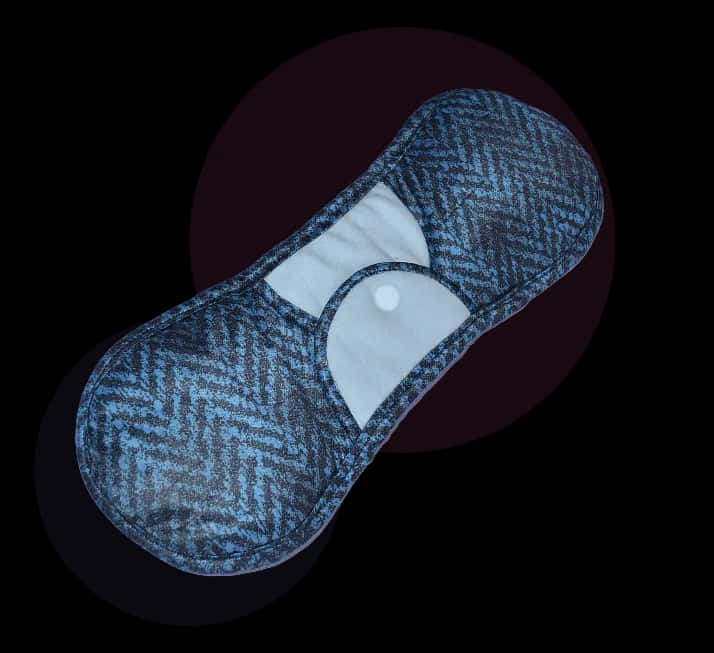
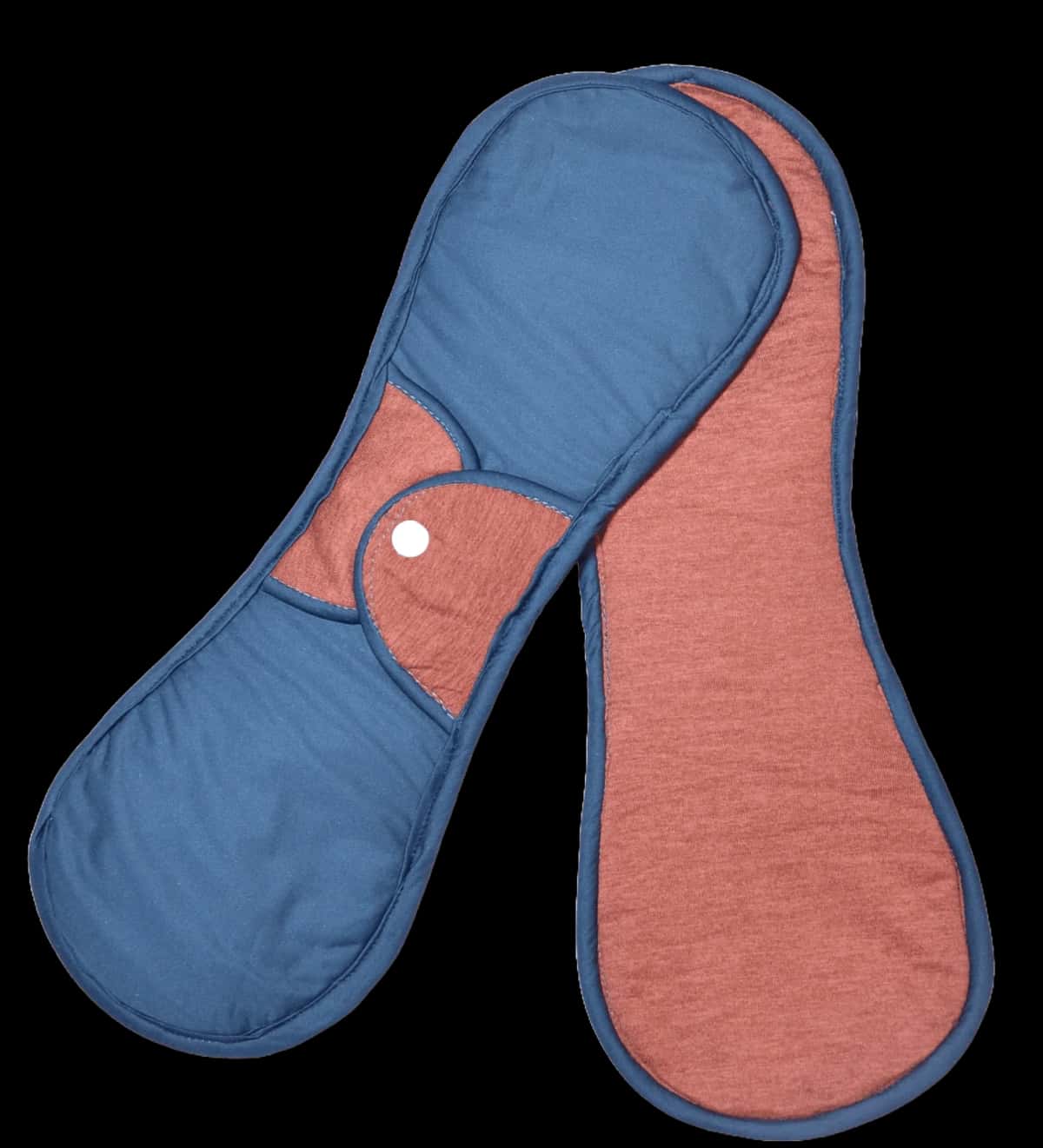
Our pads wey you fit wash

Practical Ways to Break Period Stigma
To understand stigma important, but to change am need action. Whether you be mama, teacher, community leader, or young woman wey dey face dis wahala yourself, you get power to reduce period shame for di place wey your voice reach. See how to start.
For Your House: Change How Family Dey Talk
Na for house stigma dey often start, and na there change fit start with power pass. If you be mama, di way you dey talk about your own period dey send message to your daughters. If you dey complain say you “no clean” or you dey hide period products, you dey teach shame. But if you talk am plain, you dey teach say e normal.
Start period talk before your daughter first period, di best time na around age 10-11. Use di correct body names – uterus, vagina, menstruation – no use sweet-mouth words wey dey show say something shameful dey. Explain wetin go happen, why e dey happen, and wetin she go need. Make her first period be time of preparation, no be panic. Some Nigerian families don start “first period celebration” – no be big party, but simple things: special food, talk about womanhood, to give her her first pad kit wey she fit wash use again. Dis moments dey replace shame with dignity.
Include sons and papas for menstrual education wey fit dia age. Boys no need full explanation about womb lining, but dem suppose know say period normal, say di women for dia family go see am, and say to tease or show disgust no dey acceptable. Papas wey understand basic period needs fit support dia daughters better. One papa for Abuja talk how as he learn about period, e change di relationship between am and him teenage daughter: “Before, she dey hide everything from me. Now when she need pad or she no well, she fit tell me direct. Our relationship strong pass before because I stop to treat her body like secret.”
Face bad beliefs direct when dem show. When grandmama insist say girl wey dey see period no suppose cook, gently give her di science facts: “Mama, we sabi now say period blood no dey harm food. Dat belief come from di time wey pipo no understand how body dey work. Chiamaka fit cook safely during her period.” To change beliefs wey pipo hold tight dey take time and patience, but correction wey dey regular and get respect go slowly change family culture.
For School: Make Learning Place Wey Support Period
No panic if your pads get small stain after you don wash dem well—dis one normal well-well and e no dey affect hygiene or how di pad dey work. Di stain na just iron from your blood, like how white shirt fit stain if your nose bleed.
If di stain dey worry you, think about choosing pads wey get darker colour next time. Sana Pads get different colours wey dey hide stain and still give di same strong protection.
For Community: Build Bigger Culture Change
Families and schools alone no fit do everything if di mind of di whole community no change. To reduce stigma for di whole community need religious leaders, traditional rulers, health workers and women groups to join hand.
Religious leaders get special influence for Nigerian communities wey value faith well-well. When imams and pastors talk about period for church and mosque – dem clearly separate wetin religion require from culture myths – di congregation dey listen. Religious leaders wey dey move forward don already dey do dis work. One pastor for Enugu preach sermon wey im title na “God No Dey Shame Women for How E Create Dem,” wey talk direct say period stigma dey against Christian teaching about human dignity. One imam for Kano lead discussions wey separate true Islamic guidance about period and prayer from culture restrictions about cooking and mixing with pipo wey no get religious basis.
Community health workers and local clinics fit organise menstrual health education sessions for different groups: teenage girls, mamas, papas, young men. Dis sessions dey work best when dem fit di culture and na pipo wey di community trust dey lead am. One session for men and women for community center for Kaduna first face doubt – why men go attend period education? – but e later bring plenty men when dem present am as “support di women for your life” instead of “learn women secrets.”
Women groups and market associations dey give network for pipo to help each other reduce stigma. When market women wey pipo respect for Onitsha start to talk open about menstrual health and sell pads wey you fit wash use again without shame, younger women notice. To dey seen matter. Every woman wey refuse to whisper about period, wey dey mention period plainly, wey reject shame, dey make am small easier for di next woman to do di same.
Why Access to Period Products Dey Reduce Stigma
We fit think say stigma na only about beliefs and products na separate matter, but dem connect deep. When girls fit get period products wey dey reliable and get dignity, e dey reduce shame direct, for ways wey education alone no fit.
Di Dignity Matter
When girl get protection wey she fit trust say e no go leak, her whole period experience dey change. Fear say pipo go see stain na di main thing wey dey cause period worry and di school absence wey dey follow am. Pad wey you fit wash use again, wey dem design well with back wey no dey leak, dey remove dis fear, so girls fit go school, join activities and waka through dia day without to dey watch dia body all di time.
Pads wey you fit wash use again dey also solve di shame about how to throw pad away. Girls wey dey use materials wey dem manage or disposable pads dey face di problem of hiding used pad until dem fit throw am away – many times dem dey carry dirty pad inside school bag for hours or hide am for school toilets wey no good. Pads wey you fit wash use again dey wash clean, so di worry about throwing away and di shame of period waste go comot.
Di quality and design of period products dey show value. When girl receive pad wey dem make well, wey you fit wash use again, and dem give am to her as health tool wey get dignity, di message different completely from when she receive disposable pad wey squeeze, wey dem wrap inside old newspaper. Di first one dey talk say “your period deserve quality care.” Di second one dey push shame.
Money Access and Equality for Society
Stigma and poverty dey join hand do damage around period. Girls wey no fit afford correct period products dey face double shame – first di culture stigma about period itself, then di extra shame wey poverty bring because dem no fit manage am well. To break dis cycle, products must dey cheap and dey available.
For Nigeria, one disposable pad dey usually cost ₦100-₦300. Girl wey dey use 8-10 pads every cycle dey spend ₦800-₦3,000 every month, or ₦9,600-₦36,000 every year. For families wey no get much income, dem no dey fit pay dis money, so girls dey manage with cloth, paper or other materials. Di shame wey come from protection wey no good dey keep dis girls for house when dem dey see period.
Pads wey you fit wash use again na different money model. Even though to first pay around ₦2,000-₦3,500 for starter set fit look like big money for family wey dey struggle, dis pads dey last 2-3 years if you care for dem well. For all dat time, pads wey you fit wash use again dey cost 75-85% less than disposables, so families wey no fit buy disposables every month go fit manage period. When money no dey block am, stigma dey reduce direct, because girls fit manage period with dignity no matter how much dia family get.
Break Di Silence by Making Am Visible
You dey manage pads wey you fit wash use again different from disposables – you dey wash and use dem again instead of throwing dem away. At first, dis visibility dey worry some pipo: “If girl dey wash pad, everybody no go know say she dey see period?” But if dem explain am well, dis visibility dey actually help fight stigma.
When pipo see pads wey you fit wash use again as normal health supplies like any cloth, to wash dem no go be big deal again. Pad wey dey dry for line with other clothes go only look strange if pipo see period as shameful thing. When families, schools and communities see pads wey you fit wash use again as normal, to wash and dry dem go become ordinary like to wash pant – normal hygiene, no be shameful secret wey open.
Dis change from hiding to normal na di foundation of reducing stigma. Disposable pads dey support shame because dem allow you hide everything. Pads wey you fit wash use again, wey you manage open without shame, dey challenge di idea say period must hide. Both kinds of pad get dia work, but di culture change wey dey make pads wey you fit wash use again normal dey help reduce stigma for everywhere.
How Sana Pads Dey Fight Period Stigma for Nigeria
For Sana Pads, we understand say to end period poverty mean say we must handle both di things wey pipo need and di culture barriers. Our mission pass just to provide sanitary products – we dey work hard to change how Nigeria dey think about period.
Since we start, we don support pass 10,000 women and girls direct and we don share pass 30,000 pads for Nigerian communities. Every pad no be only period protection, e be statement say period deserve dignity. We design our products specially for Nigerian reality: di hot and wet weather wey need materials wey dey dry quick, di water problem wey need washing wey no waste water, di money problem wey make am important say pad fit use again.
Because we dey make di pads for here, we get special advantage to fight stigma. We understand di culture situation wey our users dey face. Our education materials dey talk about di particular myths wey dey common for Nigerian communities – di beliefs about cooking, praying and mixing with pipo during period wey international organisations fit no notice. We dey work for Hausa, Igbo, Yoruba and Pidgin, no be only English, so we dey reach women for dia own language with message wey fit dia culture.
Our way join products with education. When NGOs and schools order pads to share, we dey give dem education materials wey go with am, wey face stigma direct. We dey train teachers and community health workers no be only on how to use pad, but on how to talk about menstrual health in way wey dey challenge shame. We dey encourage open talk about period, and we dey show di visibility and normal attitude wey we wan see spread across Nigeria.
Di impact pass only di pipo wey use am. When schoolgirl for Kano receive Sana Pads through school programme, she go house go tell her mama about di education wey she get. Dat mama begin question beliefs wey she don accept before. She talk to her friends for market. Culture change dey spread through dis kind talk, and every conversation dey make stigma grip small weak.
We commit to make period dignity reach everybody no matter how much money dem get. Schools, NGOs and other organisations fit order any quantity for di same fixed price per pack. Every pad wey we share na small act of resistance against di stigma wey dey tell girls say dia body na shame.
Make You Act: Your Part to End Period Stigma
Stigma still dey because pipo keep quiet. E dey weak when pipo choose to talk, teach and show change by example. You get power to change how pipo see period for di place wey your voice reach, whether na your own family or one whole organisation. See how to start.
For You and Your Family
Start with di girls for your life. If you be mama, auntie, big sister or mentor, promise yourself say you go give di menstrual health education wey you fit no get yourself. Talk to dem before dia first period start. Give dem good supplies without shame. Show plain attitude about your own period.
If you yourself dey face period stigma, try one small act of resistance: use di word “period” or “menstruation” instead of sweet-mouth words, at least with pipo wey you trust. Buy period products without asking make dem hide am for black nylon. Talk to one person wey you trust about di period wahala wey you dey face. Dis small things wey make am normal dey weaken di shame wey you carry for inside.
You fit start with di Sana Pads Starter Kit, wey get three Premium Pads plus one pouch to keep dem – everything wey you need to try pads wey you fit wash use again. Premium Pads get one layer wey no dey leak and three layers wey dey absorb, good for regular flow and normal school or work days. For days wey flow heavy, Maxi Pads with five layers wey dey absorb dey give longer protection. For days wey flow light, or girls wey just start period, No Wahala Pads wey get one layer wey dey absorb for lighter protection dey usually work well.
For Organisations, Schools and Community Leaders
If you dey lead organisation, school or community group, you fit bring change wey go touch di whole system. Bring menstrual health education wey dey talk about stigma direct, no be only biology. Check your facilities to see if dem dey friendly for period. Make rules wey go support period needs without forcing girls to tell male authorities dia private health information.
Schools fit start by making sure say every female toilet get dustbin wey get cover, and say water dey always. Train all staff, including male teachers and administrators, for basic menstrual health awareness. Think about keeping emergency pads wey girls fit collect secretly. Small changes for environment dey send strong message: “Your period normal, we expect am, and we don prepare for am here.”
For organisations wey dey serve teenage girls or women, think about adding period products distribution to your programmes. But give education together with di products – materials alone no go change beliefs.
Community and religious leaders fit use dia platform to challenge stigma direct. One sermon or one community talk wey clear say period restrictions about cooking and mixing with pipo no get religious or science basis fit change di mind of hundreds of pipo. Your voice get authority; use am to give dignity, no be to give shame.
Make We Move Forward Together
Culture change fit look like too much when you think about how Nigeria big, how e get different pipo, and how deep period stigma root dey. But stigma no appear overnight, and e no go disappear overnight. E dey weaken small small through thousands of actions from individuals: conversation, education, policy change and access to products wey get dignity.
Di girl wey receive correct menstrual education go grow become mama wey go teach her own daughters without shame. Di school wey bring period-friendly rules go graduate young women wey go expect say pipo must support dem for period as normal thing. Di community leader wey talk about stigma for public dey change di mind of hundreds of pipo at once. Change dey add up.
Nigeria no fit afford to lose di education wey girls fit get, di work wey women fit do, and di wellbeing of half of di population because of shame wey we fit prevent, about natural body process. Period stigma no be culture reality wey no fit change – na set of bad beliefs wey we get di knowledge and tools to scatter.
Wetin you dey do matter. Whether you dey teach one daughter, dey bring policy for one school, or dey reach thousands through community leadership, you be part of di solution. Period dignity fit happen for Nigeria – one conversation, one girl wey learn, one supportive policy at a time.
You ready to join end period poverty and stigma? Visit Sana Pads to learn more about our products and education resources, or contact us to talk about bulk orders and partnership for your organisation. Together, we dey build Nigeria wey every girl go manage her period with dignity, knowledge and confidence – because period normal, period no be shame, and every woman deserve to pass through her monthly cycle with her head up. For more information on how period wahala dey affect Nigerian women, read our full guide on period poverty for Nigeria.
Continue to read for Period Poverty for Nigeria
Questions wey pipo dey ask well well
Why I go choose Sana Pads instead of normal disposable pads?
Dem make Sana Pads from high-quality materials wey you fit use again, so dem be sustainable option wey dey good for environment instead of disposable sanitary products. Dem dey gentle for your skin, dem dey absorb well-well, and for long run dem dey save money. When you choose Sana Pads, you dey help reduce plastic waste and you go enjoy comfort and pad wey you fit trust for your whole cycle.
How long I fit use one Sana Pad before I need wash am?
Sana Pad dey give you comfort and protection for 4 to 8 hours, depending on your flow. To stay fresh, change am every 4 to 6 hours - more often for heavy days. After every use, rinse am for cold water and wash am with soap. If you care for am well, every pad go last 2 to 3 years.
Sana Pads safe for skin wey dey sensitive?
Yes, dem make Sana Pads from soft materials wey dey breathe and wey no dey cause allergy, so dem dey gentle for your skin. Dem no get dangerous chemicals and toxins wey dey common for disposable pads, so dem be correct choice for pipo wey get sensitive skin or allergies.
How I go take clean and care for my Sana Pads?
Rinse your pad for cold water immediately - hot water dey make blood stain stay. Then wash am with mild soap, with hand or for machine, and rinse until di water clear. Dry am finish for direct sunlight, wey also dey kill germs. Abeg no use tumble dryer, bleach or fabric softener: dem dey spoil di layers wey dey absorb. If you care for am like dis, Sana Pad go last 2 to 3 years.
Price go change if I order plenty?
No. Every product get fixed price per pack, no matter how many packs you order. You fit calculate your total with our price calculator. For big orders, send us direct message and we go confirm di delivery cost with you before you pay.
Testimonials
See wetin our customers dey talk about our products.
Women for all over di world dey buy Sana

“For first, e dey irritate me to use washable sanitary pad. I decide to try am, and to my greatest surprise, e comfortable well-well and e easy to wash. You fit even do your daily things without fear say blood go stain you for public. I wan give Big shout out to SANA PADS!!”

“I dey really love Sana reusable pads! Dem dey make me relax and feel free for my period time. Plus, dem don reduce the cost and stress of buying disposable pads every month well-well. Kudos to Sana for making dis kind correct product – I go be fan forever!”
“Sana Pad good well-well, e dey make you comfortable and free. I love the pads, na the best ever!”

“I don try different brands of reusable pad, but Sana stand out for the quality, the comfort and how e dey last. Dem design am with sense, and the material dey gentle for my skin. As I change to Sana, e don reduce how I dey spoil environment and e don also save me money for long run. I dey grateful for dis solution wey go last!”

“To dey buy disposable pads every month dey add up well-well, so I talk say make I try Sana Pads. E surprise me how soft dem be, and dem dey work well for long days for university. To wash dem simple, and e don reach months wey I never buy new pad, so e don save me money. I also like say dem dey better for environment. E sweet me say I get option wey cheap and wey better for environment.”

“I don try different pad brands for years, but Sana pads really stand out. From the first time I use am, I see the difference — e soft for skin, e dey soak well-well, and e comfortable die. Even for my heaviest flow days, Sana pads dey hold well. Wetin I also love na how the material dey allow air pass and e good for skin. If you dey find pad wey get comfort, wey you fit trust, and wey get quality, I really recommend make you try Sana pads.”
Time to join hand
Contact Us
Margaret Ochegbudu
Business Manager