Wetin Disposable Pad Dey Do to Our Environment: The Hidden Cost Wey Nigeria No Fit Carry
Where pipo don see us







 Margaret Ochegbudu don check am · Update 33 min to read
One woman dey use about 11,000 disposable pads for her whole life. Most of each pad na plastic, and e dey take 500 to 800 years before e rotten finish. For Nigeria, dem dey burn most of dem, dem dey bury am, or water dey carry am enter gutter, because nobody dey collect dem separate. One set of pad wey you fit wash use again fit replace about 240 disposable pads every year.
Wetin You Need to Sabi About Disposable Pad and Our Environment
Nigeria dey produce millions of tons of period waste every year, but most women no know wetin their monthly choice dey do to the environment. See wetin every Nigerian woman suppose understand about disposable pad and our environment.
Main Points:
- One woman dey use about 11,000 disposable pads for her whole life, and dat one na over 150kg of waste wey no fit rotten.
• One disposable pad fit get up to 90% plastic, and e dey take 500-800 years to rotten for Nigerian dumpsite. - Because Nigeria no get better waste management, most used pads dey end for gutter, river and open dumpsite for Lagos, Abuja and other cities.
- As disposable pads dey break down, dem dey release poison chemicals enter soil and water, and dis one dey affect farming communities and water sources.
- If one woman change to pad wey you fit wash use again, she fit stop 125-150kg of period waste for all the years wey she dey see period.
- For two years, options wey you fit wash use again dey cost 60-75% less than disposable pads, and dem no dey harm the environment.
- Nigerian women dey spend about ₦36,000-₦60,000 every year on disposable pads wey dey damage the environment wey all of us dey share.
Make we look well-well how disposable pad dey harm Nigeria environment and wetin we fit do about am.
Blessing live for Surulere, Lagos, for 32 years. Every month, she dey use disposable pad for her period, just as her mama teach am, just as advert show am. She no too think where those pads dey go after she wrap dem for black nylon throw for dustbin. But last rainy season, something change her mind forever. The gutter wey dey behind her compound overflow, and inside am, mix with plastic bottle and sachet, na hundreds of used sanitary pads. Some don stay there so tey dem don dey break, dey release small-small plastic enter the water wey pikin dey play inside for dry season. Dat picture no comot for her head. She start to ask question: How long e dey take for dis pads to rotten? Where all of dem dey go? Wetin we dey leave behind for our daughters? The answer shock am, and e fit shock you too.
Understand the Environment Crisis Wey Disposable Period Products Dey Cause
Every month, millions of Nigerian women dey make one simple choice wey get big effect for environment. Disposable pad dey look easy, clean and modern. But behind dat easy, one environment crisis dey wey dey affect our water, our soil, our animals, and at the end, our children future.
To understand dis crisis, we need to look wetin disposable pad really dey made of, where e dey go after you use am, and wetin dey happen to am for all the decades and centuries wey e go stay for our environment.
Wetin Disposable Pad Really Dey Made Of
When you open disposable sanitary pad, wetin you hold for hand na mostly plastic. The top layer wey touch your skin, dem dey usually make am from polypropylene or polyethylene, the same material wey dem dey use make nylon bag. The middle part wey dey soak get wood pulp mix with super absorbent polymers (SAPs), wey be tiny plastic crystals wey dey swell to soak liquid. The back na polyethylene film, basically thin sheet of plastic. The gum wey dey hold am na synthetic, and even the wrapper na plastic.
Think am like dis: disposable pad be like sandwich wey dem make with different types of plastic, with small layer of processed wood pulp for middle. When company talk say their pad dey "soft like cotton," dem no dey talk about real cotton. Na plastic fiber wey dem design make e feel soft for skin.
Most disposable pads na about 90% plastic. Some brands dey add perfume, dye and other chemicals to hide smell or to make colour design. Dis chemicals no dey just disappear when you throw the pad away. Dem dey leak enter any place wey the pad land, whether na dumpsite for Ogun State, gutter for Kano, or river side for Port Harcourt.
Where Used Pad Dey Go for Nigeria Waste System
After you use disposable pad for 4-8 hours, you go wrap am throw away. But for Nigeria, "away" na story. "Away" no dey. Na only "another place" dey, and dat place usually na where e go affect other Nigerians.
For cities like Lagos, Abuja and Ibadan, waste collection no dey regular. Plenty houses dey burn their dirt for open fire, and the burning plastic dey release poison chemicals enter the air wey neighbours dey breathe. For areas wey waste collection dey, used pads dey go open dumpsite where dem go just dey under sun and rain. Dis dumpsites no get any cover for under, so chemicals from pads wey dey rotten dey enter groundwater straight.
For northern cities like Kano, Kaduna and Sokoto, plenty houses dey throw their dirt for general bin or open place. For rainy season, water dey carry dis pads enter gutter. Because pad no dey break down quick, dem dey add to the blocked gutters wey dey cause flood when heavy rain fall. Women for Maiduguri, Jos and other cities sabi dis wahala well: gutter wey plastic dirt block, including period products, wey dey overflow and flood compound.
For village side, the wahala even big pass. As nobody dey collect dirt, people dey bury used pads for family compound, dem dey burn am, or throw am for bush or inside water. For farming communities for Benue, Oyo and Delta states, pads wey dem bury near house dey release chemicals small-small enter the soil where families dey plant food.
How Long Disposable Pad Dey Stay for Our Environment
Na here the environment matter come really dey frighten. One disposable pad dey take between 500 and 800 years before e rotten finish. Think am well. The pad wey you use dis morning go still dey when your great-great-great-great-great-grandchildren don grow.
Nigeria no get the advanced waste management wey some Western countries get. We no get closed, well-built landfill wey get system to catch and treat the poison water wey dey comot from dirt. We get open dumpsite where dirt dey sit on top soil, and rain dey wash the chemicals enter stream and groundwater. We get gutters where pads dey break into small pieces over many decades, dey release microplastics enter water.
For Nigeria heat and humidity, pad dey break for body: e dey crack and scatter into small pieces. But dis one no be true rotten. The plastic no dey disappear; e just turn microplastic wey eye no fit see, wey dey enter our food through fish, crops and drinking water. Scientists just dey start to understand wetin microplastics dey do for human body, but early research show say dem dey disturb hormones and fit affect fertility (ability to get belle). Dis one concern pass for products wey woman dey use for the years wey she fit born pikin.
The Exact Damage Wey Disposable Pad Dey Do to Environment
To understand wetin pad dey made of and where e dey go na just the beginning. The real damage go clear when we look the exact ways wey disposable period products dey harm Nigeria environment and communities.
How E Dey Spoil Water for Nigerian Communities
Water already hard to find for many parts of Nigeria. For northern states, communities dey struggle with small water for many months for dry season. For southern states, flood for rainy season dey spoil water sources. Disposable pads dey make both problems worse.
When pads dey break down for dumpsite or gutter, dem dey release chemicals enter water. The super absorbent polymers get acrylic acid, wey be poison for fish and other things wey dey live inside water. Dioxins and furans, chemicals wey dey come out when dem dey bleach pad make e white, na chemicals wey dem don sabi say dey cause cancer, and dem dey stay for water for years. Dis chemicals dey gather inside fish wey Nigerians dey chop from rivers like Niger, Benue and Cross River.
For Lagos, the lagoon dey receive dirt from millions of people. Used period products dey add to the pollution wey don scatter fishing communities around the lagoon. For Kano, pads for gutter dey add to the dirty water wey dey flood market and house for rainy season. For village side for Enugu and Anambra, pads wey dem bury near compound dey leak enter the shallow well wey families dey depend on for drinking water.
Women for coastal communities from Bayelsa to Akwa Ibom talk say dem dey see used pads wey water carry come river bank and beach. Dis one no be only say e ugly; na biohazard wey dey expose children wey dey play near water to bacteria and chemicals.
How E Dey Spoil Soil and Farming
Nigeria economy still dey depend well-well on farming. Families everywhere for the country dey plant cassava, yam, maize and vegetables for food and money. But when period products break down for soil, dem dey release chemicals wey dey affect soil health and how crops dey grow.
The plastic parts of disposable pad no dey rotten; na sun dey break dem. Dis one mean say sunlight dey break dem into small pieces, but the plastic still dey inside soil as tiny particles. Dis microplastics dey scatter how soil dey arrange, dem dey reduce how soil dey soak water, and dem dey disturb the good small-small living things wey dey keep soil healthy.
The chemicals for pad, including dioxins, synthetic perfume and the gum, na poison for things wey dey live inside soil. Earthworms, beetles and bacteria wey dey break down dead plants make soil fertile dey run from soil wey get dis chemicals, or dem dey die there. As time dey go, soil quality dey drop, and farmers go need to use more fertilizer to grow the same crops.
For states like Benue, Plateau and Taraba where farming na main work, dis soil damage dey cost money. Families wey dey bury dirt, including period products, near their farm dey reduce their own harvest for future without sabi.
Wild Animals and Farm Animals Dey Suffer Am
Animals no sabi say plastic no be food. Everywhere for Nigeria, animals like goat, cow and chicken dey find food for dumpsite and places where people throw dirt. Dem dey chop plastic dirt, including pieces of disposable pad, wey dey block their belle and fit kill dem.
For Plateau State, herders talk say dem lose cattle wey chop grass near dumpsite and swallow plastic. For Ogun and Oyo states, chickens wey dem raise for compound where dem dey burn or bury dirt, dem don find plastic inside their body. When dem kill dis animals for meat, the plastic dey affect the meat quality and fit carry chemicals enter our food.
Wild animals dey face the same danger. Monkeys, birds and other wild animals wey dey live near where people dey, dey check dirt and dey swallow plastic pieces. Fish and other things wey dey live for river and sea side dey swallow microplastics from period products wey don break, and the poison dey gather inside dem, dey move from small fish to big fish, and at last reach human beings.
How Big Nigeria Period Waste Problem Be
To really understand dis environment crisis, we need to look the numbers. Dem show waste wey dey overpower our environment and our weak disposal systems.
How Much Period Waste Nigeria Dey Produce Every Month
Nigeria get about 60 million women wey dey the age wey dem fit born pikin (15-49 years). No be all of dem dey see period, because of belle, breastfeeding, menopause or health conditions, but careful estimate show say about 40 million Nigerian women dey see period regular. Even if na only half of dem dey use disposable pads (plenty still dey use cloth or nothing at all), dat one na 20 million women.
Normal woman dey use about 20 pads every cycle, wey mean say 12 cycles for one year na 240 pads every year. For 20 million women, dat one na 4.8 billion disposable pads wey dem dey use for Nigeria every single year. Each pad weigh about 5-10 grams, wey mean say Nigeria dey produce between 24,000 and 48,000 tons of period waste every year.
Make you see am well: dat one heavy reach like 3,000 to 6,000 danfo buses wey full well-well, of dirt wey go stay for our environment for centuries. And dis number dey only increase as more girls dey start to see period and more women dey change from cloth to disposable products.
For Lagos alone, with about 10 million people and maybe 3 million women wey dey see period, the state dey produce about 720 million pads of waste every year. Abuja, Kano, Port Harcourt and Ibadan each dey add hundreds of millions more pads to Nigeria waste crisis.
How E Dey Pile Up From One Generation to Another
Think about dis: every disposable pad wey dem don use for Nigeria since e start to dey everywhere for the 1990s still dey somewhere for our environment. The pad wey your mama use when she carry your belle for 1995 still dey sit for dumpsite or don break into pieces inside water. The pad wey you use for your first period still dey here. The pad wey you go use next month go live pass your grandchildren.
Because e dey pile up, the problem dey worse every single month. No be only dis month 400 million pads we dey face. We dey face three decades of period waste wey don gather, about 100 billion pads, wey never rotten and no go rotten for any of our lifetime.
For Olusosun dumpsite for Lagos before dem close am, workers talk say period products na big part of the dirt from houses. The new dumpsites for Epe and other areas dey gather the same dirt. Abuja Mpape dumpsite get the same story. Dis mountains of dirt na poison inheritance wey we dey leave for the generations wey dey come.
How E Be Compared to Other Kinds of Dirt
People no dey too talk about period waste when dem dey discuss environment, because dem see am as taboo or private matter. But e deserve the same attention wey we dey give plastic bottle, nylon bag and other kinds of dirt.
Nigeria don make some progress as states like Lagos ban some kinds of nylon bag. We don see campaigns against pure water sachet wey dey litter our streets. But nobody dey look disposable period products like dat, even though dem get more plastic and more poison chemicals than ordinary nylon bag.
No be like food dirt wey dey rotten and return food to soil, or paper wey dey break down for some months, or even plastic bottle wey dem fit sometimes recycle. Disposable pads be like dirt wey no dey ever go. Dem no fit recycle dem because body fluid don touch dem. Dem no fit turn dem to compost because na mostly plastic. Dem fit only dey pile up.
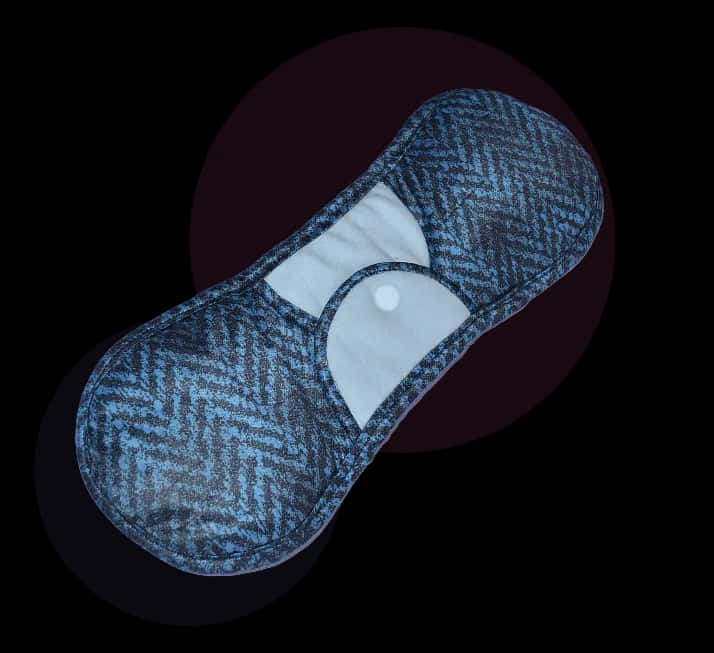
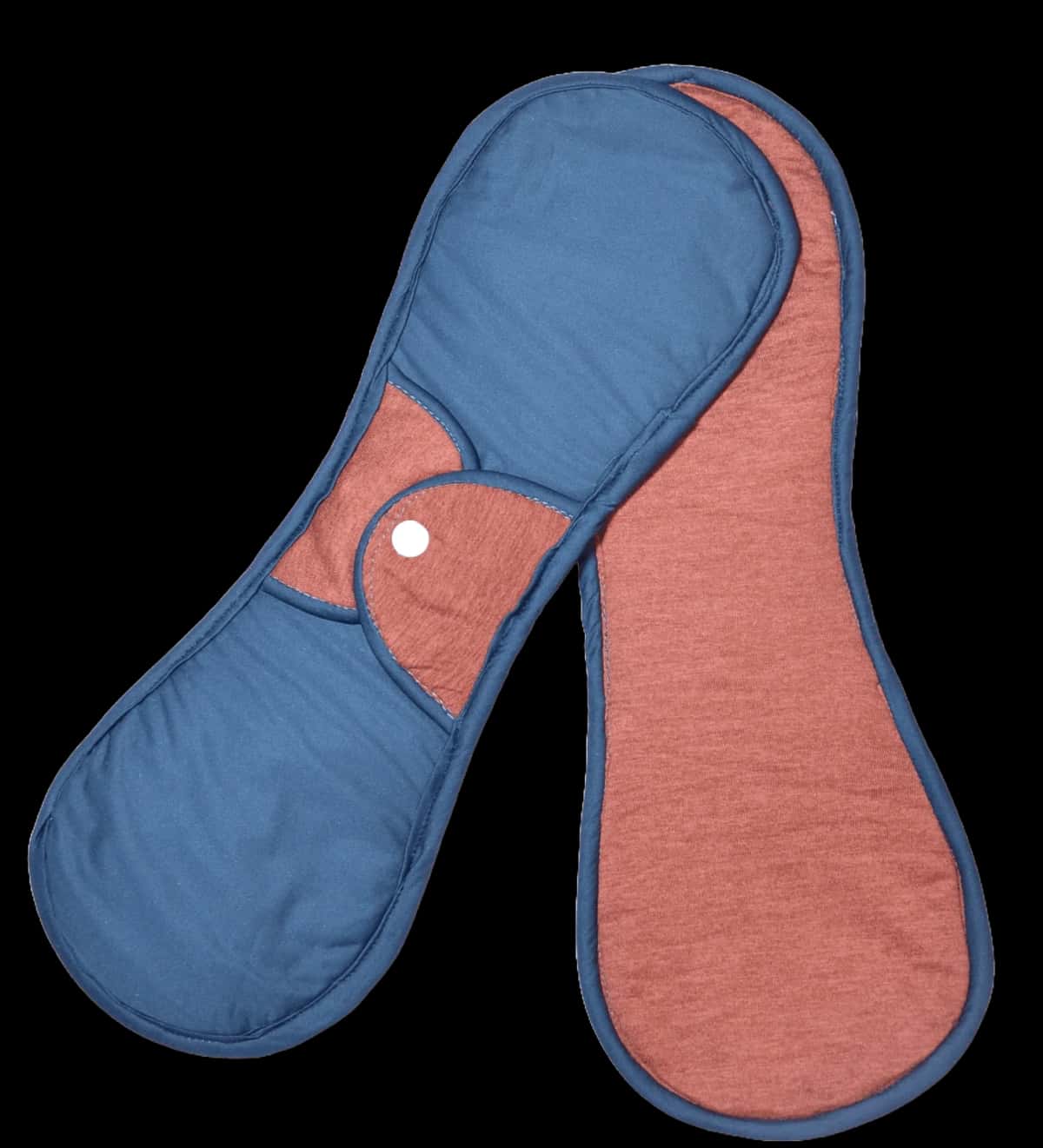
Our pads wey you fit wash

Better Options for Environment Wey Dey Nigeria
The damage wey disposable pads dey do to environment serious, but see the good news: better options dey. Nigerian women no need to choose between period hygiene and caring for environment. Period products wey you fit wash use again na solution wey work for both your body and the world.
Understand Cloth Pad Wey You Fit Wash Use Again
Cloth pad wey you fit wash use again dey work exactly like disposable pad: you wear am inside your pant for your period, e dey soak your period blood, and e dey keep you dry and protected. The main difference na wetin happen after you use am. Instead to throw am away, you go rinse am, wash am, dry am, and use am again. Good pad wey you fit wash use again dey last 2-3 years if you take care of am well.
Modern pads wey you fit wash use again no be the old cloth wey your grandma fit don use. Dem be products wey get many layers wey dem design to soak and to stop leak. The top layer, wey touch your skin, na soft cotton or bamboo cloth wey air dey pass. The middle layers na material wey dey soak like microfiber, cotton fleece or hemp wey dey hold liquid. The bottom layer na cloth wey water no dey pass (usually PUL, polyurethane laminate) wey dey stop leak but still allow air pass to reduce heat and wetness.
Dis pads dey hold your pant with snaps or wings, just like disposable. Dem get different sizes for light, normal and heavy flow. Dem comfortable, dem dey work well, and once you don get used to the simple way to take care of dem, dem easy like disposable, but without the guilt for environment or money wey you go dey spend every time.
How Pad Wey You Fit Wash Use Again Dey Stop Damage to Environment
When you change from disposable to pad wey you fit wash use again, you go stop to add to Nigeria period waste crisis immediately. One set of 6-8 pads wey you fit wash use again fit replace the 240 disposable pads wey you for use for one year. For the normal 3-year life of good pads wey you fit wash use again, dat one na 720 disposable pads wey you no go ever send to dumpsite.
Multiply dat one by thousands of women, and the effect go big well-well. If na only 10,000 Nigerian women change to pad wey you fit wash use again, we go stop 7.2 million disposable pads from entering our environment every year. If 100,000 women change, dat one na 72 million pads wey we stop, e fit fill many football fields.
The good wey e dey do for environment pass just to reduce dirt. To make disposable pads need petroleum to make plastic, trees for wood pulp, plenty-plenty water to process am, and energy to produce and transport am. Every pad wey you no buy na small reduction for factory pollution, cutting of trees and carbon emissions.
Pads wey you fit wash use again need water to wash, and dat one na something to consider for environment. But to wash pads together with your normal clothes (wey most Nigerian women dey wash with hand anyway) dey add only small water compared to the water wey dem need to make disposable pads. For Nigeria weather, pads dey dry quick for sun, dem no need electricity.
Other Options Wey Good for Environment Wey You Fit Consider
Cloth pad wey you fit wash use again no be the only option. Menstrual cups, small silicone cups wey dey collect period blood instead to soak am, dey become popular among Nigerian women. One cup dey cost ₦5,000-₦15,000 and fit last reach 10 years, so e dey reduce waste even pass pad wey you fit wash use again. But to use cup, you must dey comfortable to put am inside your body, and you need clean water to empty and rinse am, so e no dey practical for some Nigerian women.
Period pant, pant wey get absorbent layers inside, na another option wey dey come out for world market, but for now e no dey easy to find for Nigeria and the price high. Some Nigerian women still dey use traditional cloth well for their period, dem dey fold old cotton cloth and hold am well. Even though dis one dey work, pads wey dem design specially to wash and use again dey stop leak better and dey more comfortable.
For most Nigerian women wey dey think about options wey good for environment, cloth pad wey you fit wash use again get the best balance: e dey work well, e cheap, culture accept am, and e good for environment.
How to Change: Practical Steps for Nigerian Women
To understand the damage to environment important, but if you sabi and you no act, nothing go change. If you ready to reduce the damage wey you dey do to environment, see how you fit move from disposable to period products wey you fit wash use again for Nigeria situation.
Start Small Make Your Confidence Grow
You no need throw all your disposable pads away tomorrow come change full to pad wey you fit wash use again. Dat way dey usually fail because e too much at once. Instead, start to change small-small so your confidence go grow and you go form new habit.
Buy starter set of 3-4 pads wey you fit wash use again, e go reach for one day of your period. Use dem for the days wey your flow light pass and you dey house. Dis one go give you chance without pressure to learn how the pads feel, how to put dem well, and how to rinse and wash dem. Plenty Nigerian women talk say after dem try am for just one cycle, dem get enough confidence to add more.
As e dey comfortable you, dey add more pads to your collection until you get enough for your whole period. Most women need 6-10 pads total, depending on their flow and how often dem wan wash. You fit keep one or two disposable pads as backup for emergency or for times wey washing no dey easy.
Dis small-small way go also share the first cost. Instead to spend ₦3,000-₦5,000 at once for full set, you fit spend ₦1,500-₦2,000 every month until you get wetin you need.
How to Wash and Take Care of Pad Wey You Fit Wash Use Again for Nigeria
The main thing wey Nigerian women dey worry about pad wey you fit wash use again na washing. With NEPA wahala and water scarcity for some areas, the worry make sense. But the true be say e simple pass wetin you fit think.
After you wear pad, rinse am for cold water until the water almost clear. Dis one dey take about 30-60 seconds for each pad, and e dey remove most of the blood. Then put the rinsed pad join your normal clothes wey you wan wash. Wash the pads with your other clothes with any soap or detergent wey you dey use before. You no need special detergent or hot water. Nigerian women don dey wash clothes with hand well for generations; pad wey you fit wash use again na just another thing inside the bucket.
For Nigeria sunny weather, to dry am easy. Hang the pads for direct sun, wey dey kill germs for cloth naturally and dey help stop stain. Most pads dey dry finish for 2-4 hours. If you no wan make people see am (plenty Nigerian women no wan make neighbours or family see their pads), turn dem inside-out dry dem, or dry dem with other dark clothes so dem no go too show.
If you dey travel or you no get water near you, carry small wet bag (pouch wey water no dey pass, wey dem make for dis purpose). Keep used pads inside until you fit rinse dem. Most pads still easy to clean even if dem stay dry for one or two days, but to rinse dem quick better.
How to Handle Infrastructure Wahala
Nigeria infrastructure wahala, water wey no dey regular, light wey dey go, and small privacy for shared compound, fit make period care wey good for environment look like e no go work. But thousands of Nigerian women dey make am work with simple adjustments.
If water scarce for your area, keep small bucket of water just for rinsing pads. The water wey you need small, maybe 1-2 liters for your whole period. Dis one small pass the water wey you go use for any other house work. Some women dey rinse pads when dem dey baff, with the bath water wey for just waste.
For shared compound where privacy small, keep am for place wey people no go notice. Dark-colour wet bag dey look like any small purse or toilet bag. Dry the pads inside your room if you need, or among other clothes where e no go clear say na period products. Plenty Nigerian women talk say family members no dey too notice or talk about pads wey dey dry with other clothes.
For women wey dey travel well-well between Lagos and other cities for business, or wey dey work long hours outside house, to get two sets of pads dey help. Leave one set for house and one for your office or travel bag. Dis one go make sure say you always get clean pads anywhere your day carry you go.
The Good Things Wey You Go Get If You Choose Period Products Wey You Fit Wash Use Again
To change to pad wey you fit wash use again no be only to reduce harm for environment, even though dat one alone na enough reason. The benefit reach your health, your money, and how comfortable you dey every day for your period.
Freedom for Your Money and Savings for Long Time
Make we talk about money, because for most Nigerian women, na big matter. Period don already cost well-well with disposable pads.
If you dey use about 20 pads every cycle at ₦50-₦80 for each pad (depending on brand and where you buy), you dey spend ₦1,000-₦1,600 every month, or ₦12,000-₦19,200 every year. For the 35-40 years wey most women dey see period, dat one na ₦420,000-₦768,000 on products wey you dey throw away immediately.
Good set of 8 pads wey you fit wash use again dey cost about ₦4,000-₦6,000 and dey last 2-3 years. Even if you change dem every 3 years for all the years wey you fit born pikin (wey mean say you go buy about 12 sets total), you go spend about ₦48,000-₦72,000 for your whole life. Dat one na about 85-90% less than disposable, savings of ₦350,000-₦700,000 wey fit pay school fees, start small business, or build security for family.
For family wey get three daughters, the savings dey multiply. The ₦1,000,000+ wey you for spend on disposable pads for three daughters for their whole life fit instead cost ₦150,000-₦200,000 for pads wey you fit wash use again, and e go leave ₦800,000+ for school, health care or other family needs.
Dis savings na real money wey go stay for your pocket instead to go to big foreign companies. Na money wey fit change your family future.
Health Benefits and Less Chemicals for Your Body
Disposable pads get chemicals wey plenty Nigerian women no know about, because law no force the companies to list wetin dem put inside. Dis ones include dioxins from bleaching, synthetic perfume, gum, and chemicals wey dey make plastic soft. Some women dey get irritation, rashes or allergic reaction from dis chemicals, especially for Nigeria hot weather where sweat and heat dey make the contact worse.
Pads wey you fit wash use again wey dem make from natural cloth like cotton or bamboo dey remove dis chemical contact. Air dey pass the cloth better than plastic, and dis one dey reduce heat and wetness wey fit cause irritation or infection. Plenty Nigerian women wey change to pad wey you fit wash use again talk say dem no dey scratch like before, rashes don reduce, and dem dey generally comfortable for their period.
To make air pass dey important well-well for Nigeria weather. For Lagos, Port Harcourt or Calabar where humidity high, disposable pad wey get plastic back fit feel like say you wear waterproof layer for heat. Pads wey you fit wash use again wey get cloth back dey allow air pass and still dey stop leak, so you go dey cool and comfortable.
Because na the same pads you dey wash and use again, you sabi exactly wetin dey touch your body. No hidden chemicals, no synthetic perfume wey dey hide smell, and no worry about wetin companies fit add without telling you. To know and control wetin dey touch your body dey give you power.
Wetin You Leave for Environment and How E Dey Help Community
Every time wey you use pad wey you fit wash use again instead of disposable, you dey make choice wey dey affect Nigeria environment and future. You dey choose not to add plastic dirt to the dumpsite for your community. You dey choose not to add to the gutter block wey dey flood streets for rainy season. You dey choose not to release chemicals enter the soil and water wey your neighbours dey depend on.
Dis your own choice go turn effect for everybody when communities accept period care wey good for environment. If women for one compound, one street or one area all change to pad wey you fit wash use again, the reduction for dirt go show. Dustbin go get less dirt. Gutter go flow better. Dumpsite go grow slow.
Schools wey dey give students pads wey dem fit wash use again dey teach care for environment together with period health. Girls go learn say their daily choice matter, say even for private products dem fit choose wetin good for environment, and say to care for environment na part of to care for themselves and their communities.
Dis na the inheritance wey we fit choose: instead to leave mountains of plastic dirt for our daughters and granddaughters, we fit leave dem knowledge, good habits for environment, and environment wey healthy pass because of the choices wey we make. Dat one na dignity wey pass ourselves reach the future.
Common Worries About Pad Wey You Fit Wash Use Again and the Environment
Even when Nigerian women understand the environment crisis wey disposable pads dey cause, dem still get worries about changing to pad wey you fit wash use again. Dis worries deserve honest and practical answer.
"To Wash Pad No Dey Waste Water?"
Dis worry dey come up well-well, especially for areas where water scarce. E be correct question wey deserve serious answer.
The water wey you need to wash pad wey you fit wash use again small compared to the water wey dem dey use make disposable pads. To make one disposable pad dey need about 500-700 liters of water if you count planting cotton or trees for pulp, processing raw materials, and making the final product. To wash pad wey you fit wash use again dey use maybe 1-2 liters of water every time.
Even if you use 8 pads every cycle and you wash dem two times for your period (most women dey wash all of dem together one time), dat one na about 16 liters of water every month, or 192 liters every year. Compare am with the 720 pads wey you for use every year as disposable, wey need 360,000-504,000 liters to make. The option wey you fit wash use again dey use more than 99% less water when you count production.
For practical Nigeria talk, to wash pads dey take less water than to wash one wrapper and blouse. E small pass the water to wash pikin school uniform or your husband work clothes. The water "cost" no reach anything for the water wey your house dey use, but the benefit for environment big well-well.
Plus, most Nigerian women dey wash pads with hand together with other clothes, so you no dey use separate water just for pads. You dey add dem to clothes wey you go wash anyway, so e almost no add extra water.
"Wetin If Pad Wey You Fit Wash Use Again Cause Another Kind of Pollution?"
Some women dey worry say to change from disposable to pad wey you fit wash use again just dey move the problem: instead of solid dirt for dumpsite, you dey cause water pollution from washing blood and detergent.
True-true, dis one no be wahala for many reasons. First, period blood na natural thing wey dey rotten. E no different from any other body fluid wey dey enter Nigeria water systems every day from bathing, washing clothes and normal house use. Water from washing period pads no dey pollute pass water from washing baby clothes, pant, or bathing.
Second, the detergent wey you dey use wash pads na the same detergent wey you go use for normal clothes anyway. You no dey add new chemicals to the water system. If you don already dey wash clothes with hand (as most Nigerian women dey do), to add few pads no go add any extra detergent pollution.
Third, the other option, disposable pads for dumpsite, dey cause pollution wey bad pass. Those pads dey release dioxins, plasticizers and other poison wey no dey go, wey dey spoil soil and groundwater for centuries. Small time wey blood wey dey rotten and normal detergent dey inside dirty water no near the harm wey plastic and chemical pollution wey no dey go from disposable pads dey cause.
The environment calculation clear: small natural thing wey dey rotten inside water wey dem already use wash, against centuries of poison plastic pollution. Pad wey you fit wash use again na the better choice by far.
"My Own Choice Fit Really Change Anything?"
When you look Nigeria big waste problem, the mountains of dirt for Olusosun or Mpape, the gutters wey plastic don block for every city, the dirty rivers, e easy to feel say hope no dey. Wetin one woman choice fit really change?
See the truth: change for environment dey happen when plenty single choices gather turn movement for everybody. No single woman wey change to pad wey you fit wash use again go solve Nigeria waste crisis. But when thousands, then tens of thousands, then hundreds of thousands of women make dat choice, the effect go big well-well.
Think about dis: if just 1% of Nigerian women wey dey see period change to pad wey you fit wash use again, e go stop about 48 million disposable pads from entering our environment every year. Dat one na 240 tons of plastic dirt wey we stop every single year. If 10% change, we go stop 2,400 tons every year, e fit fill plenty of those lorries wey you dey see dey carry dirt go dumpsite.
Your own choice dey push other people. When your sister, your daughter, your neighbour or your friend see say you dey use pad wey you fit wash use again well, e go easy for dem to try am. Na so one person choice dey spread turn change for community.
Plus, wetin you buy dey send message to market. When you buy pad wey you fit wash use again, you dey support local companies wey dey make better options for environment. When you stop to buy disposable, you dey reduce demand for products wey dey harm environment. Market dey follow wetin buyers choose; your naira na your vote for the kind of products wey you wan see for Nigeria.
Why Sana Pads Na Part of Nigeria Environment Solution
Nigeria need Nigerian solution for Nigerian problem. Sana Pads dey because we believe say to end period poverty and to protect our environment no be separate goals; na the same mission.
As Nigerian company wey dey make pads for Abuja, we understand the environment crisis wey our country dey face because we dey live inside am. We dey see the gutters wey dirt block for rainy season. We sabi the wahala of waste collection wey no dey regular. We understand say Nigerian women need period products wey dey work for our weather, with our infrastructure, and for our pocket, without harming the environment wey all of us dey share.
We design our pads wey you fit wash use again specially for Nigeria condition. The cloth wey we choose dey dry quick for our sun and humidity. The snap buttons dey last even after you wash with hand again and again, wey be how most Nigerian women dey wash clothes. How much the pads fit soak match wetin Nigerian women need, including options for heavy flow wey plenty imported pads no get. We dey test our products for Nigeria heat, with Nigeria water, and we dey collect feedback from Nigerian women.
Over 10,000 women don use Sana Pads directly, and we don share more than 30,000 pads across Nigeria. Each of those pads dey stop about 240 disposable pads from entering our environment for the life of the pad. Dat one na about 7.2 million disposable pads wey all of us together don keep out of Nigeria dumpsites, gutters and rivers. Dis na just the beginning.
Our mission pass to sell products. We dey work with schools to teach girls about period health and care for environment together. We dey work with NGOs to make pads wey you fit wash use again reach women wey no get money to buy. We dey employ Nigerian women, dey support local work while we dey create solutions for environment. Every pad wey we make na small way to care for Nigeria future.
We no perfect, and we no fit solve dis crisis alone. But we don commit to be part of the solution, one pad at a time, one woman at a time, one community at a time.
How to Start Period Care Wey Good for Environment
You don read about the damage wey disposable pads dey do to environment. You understand the crisis. You sabi say other options dey. Wetin next? See how you fit take action, whether you be one woman or organization wey dey serve Nigerian communities.
For Women Wey Ready to Change
Start by checking wetin you need for your period. Your flow light, normal or heavy? How many days your period dey last? How often you fit really wash pads with your schedule and the water wey you get? Dis answers go show you which products to choose and how many you need.
For most Nigerian women, Starter Kit na the perfect way to start. Sana Pads Starter Kit get 3 Premium Pads (with 1 layer wey no dey leak and 3 layers wey dey soak for normal flow) plus storage pouch to carry clean or used pads without people knowing. Dis set dey cost less than wetin plenty women dey spend on disposable pads for one month, but dis pads dey last years, no be hours.
If your flow light or you wan start very slowly, No Wahala Pads (1 layer wey no dey leak plus 1 layer wey dey soak) dey give lighter protection for the beginning and end of your period. If your flow heavy, especially for the first few days of your period, Maxi Pads (1 layer wey no dey leak plus 5 layers wey dey soak) dey give maximum soaking and confidence.
Most women see say 6-8 pads total dey enough for dem well, so dem fit wash every day and pad no go finish. You fit want mix: maybe 2 Maxi Pads for heavy days, 4 Premium Pads for normal days, and 2 No Wahala Pads for light days. Dis mix go make sure say you get the correct protection for every day of your cycle.
Order today, and when your next period come, try your pads wey you fit wash use again for one day wey you dey house and you dey comfortable. Learn wetin work for you. Adjust as you need. By your second or third cycle, to use pad wey you fit wash use again go feel normal finish, and you go happy to know say you no dey add to environment destruction again.
For Organizations and Community Leaders
If you dey work with schools, health centers, NGOs, women groups or community organizations, you get big power to multiply the good wey dey happen for environment. To give pads wey you fit wash use again to girls and women wey you dey serve dey fight period poverty and dey teach dem to care for environment.
Schools fit join pads wey you fit wash use again to their health and environment education programs. Imagine say you teach girls about period health, show dem wetin different products dey do to environment, and send dem go house with pads wey dem fit use for years. Dis one dey bring change wey go last, wey go reach their families and communities.
Health centers and NGOs wey dey work for communities wey no get enough support fit add pads wey you fit wash use again to their reproductive health programs. For women wey now dey use cloth, rag or nothing for period, pads wey you fit wash use again dey give dignity and dey work well. For women wey dey use disposable but money no dey reach to buy am every time, pads wey you fit wash use again dey cheap for long time and good for environment.
Churches, mosques and community groups fit organize teaching about environment and health and give pads wey you fit wash use again to women for their congregation. Dis one dey cover both spiritual care for God creation and practical care for community members.
Schools, NGOs and other organisations fit order any quantity at the same fixed price for each pack. We fit also give training materials and guidance on how to run programs for period health and environment education. Contact us make we discuss how we fit work together to serve your community and protect Nigeria environment.
Conclusion: Your Period No Need to Harm the World
Every month, you get choice. You fit continue to use disposable pads wey dey add plastic dirt to Nigeria environment wey don already suffer, dey add to pollution wey go live pass your grandchildren. Or you fit choose pads wey you fit wash use again wey dey work just as well and no dey harm environment. The crisis real: 4.8 billion disposable pads wey dem dey use for Nigeria every year, wey dey produce tens of thousands of tons of poison dirt wey dey stay for centuries. The solution real too: period products wey you fit wash use again wey dey save you money, reduce chemical contact, and stop to feed the waste crisis. Thousands of Nigerian women from Lagos to Kano don already change and dem see say e easy to manage for their daily life.
Your own choice matter pass wetin you think. When you choose pad wey you fit wash use again, you dey stop 200+ disposable pads from entering our environment every single year. You dey encourage
other women wey see say period care wey good for environment possible. You dey use your naira vote for the kind of products and future wey you wan see for Nigeria. You dey join big movement of African women wey refuse to choose between period dignity and caring for environment.
You ready to make choice wey good for your body, your pocket and Nigeria environment? Check Sana Pads options wey you fit wash use again and find wetin work for your need and your flow. Whether you start with one Starter Kit or you buy full set, you dey take real action for cleaner and healthier Nigeria. Visit our website or contact us today, because your period na natural thing, but to destroy our environment no be must. Together, we fit end both period poverty and period pollution, and bring dignity and good environment for every Nigerian woman. Learn more about period products wey good for environment and join thousands of women wey dey choose better way.
Continue to read for Period Products Wey Good for Environment
Questions wey pipo dey ask well well
Why I go choose Sana Pads instead of normal disposable pads?
Sana Pads dey made from high-quality material wey you fit wash use again, so dem be option wey last and wey good for environment instead of disposable sanitary products. Dem gentle for your skin, dem dey soak well-well, and dem dey save money for long run. When you choose Sana Pads, you dey help reduce plastic dirt and you go still enjoy comfort and pad wey you fit trust for your whole cycle.
How long I fit use one Sana Pad before I need to wash am?
One Sana Pad dey give you comfort and protection for 4 to 8 hours, depending on your flow. To stay fresh, change am every 4 to 6 hours, and more often for heavy days. After every use, rinse am for cold water and wash am with soap. If you take care of am well, each pad dey last 2 to 3 years.
Sana Pads safe for skin wey dey react quick?
Yes, Sana Pads dey made from soft material wey air dey pass, wey no dey cause allergy easily, so dem gentle for your skin. Dem no get the harmful chemicals and poison wey dem dey usually find for disposable pads, so dem be correct choice for people wey get sensitive skin or allergies.
How I go clean and take care of my Sana Pads?
Rinse your pad for cold water immediately, because hot water dey make blood stain hold the cloth. Then wash am with mild soap, with hand or for machine, and rinse until the water clear. Dry am finish for direct sun, wey also dey kill germs. Abeg no use tumble dryer, bleach or fabric softener: dem dey spoil the layers wey dey soak. If you take care of am like dis, Sana Pad dey last 2 to 3 years.
Price dey change if I order plenty?
No. Each product get fixed price for each pack, no matter how many packs you order. You fit calculate your total with our price calculator. For big order, send us direct message and we go confirm the delivery cost with you before you pay.
Testimonials
See wetin our customers dey talk about our products.
Women for all over di world dey buy Sana

“For first, e dey irritate me to use washable sanitary pad. I decide to try am, and to my greatest surprise, e comfortable well-well and e easy to wash. You fit even do your daily things without fear say blood go stain you for public. I wan give Big shout out to SANA PADS!!”

“I dey really love Sana reusable pads! Dem dey make me relax and feel free for my period time. Plus, dem don reduce the cost and stress of buying disposable pads every month well-well. Kudos to Sana for making dis kind correct product – I go be fan forever!”

“Sana Pad good well-well, e dey make you comfortable and free. I love the pads, na the best ever!”

“I don try different brands of reusable pad, but Sana stand out for the quality, the comfort and how e dey last. Dem design am with sense, and the material dey gentle for my skin. As I change to Sana, e don reduce how I dey spoil environment and e don also save me money for long run. I dey grateful for dis solution wey go last!”

“I don try different pad brands for years, but Sana pads really stand out. From the first time I use am, I see the difference — e soft for skin, e dey soak well-well, and e comfortable die. Even for my heaviest flow days, Sana pads dey hold well. Wetin I also love na how the material dey allow air pass and e good for skin. If you dey find pad wey get comfort, wey you fit trust, and wey get quality, I really recommend make you try Sana pads.”

“To dey buy disposable pads every month dey add up well-well, so I talk say make I try Sana Pads. E surprise me how soft dem be, and dem dey work well for long days for university. To wash dem simple, and e don reach months wey I never buy new pad, so e don save me money. I also like say dem dey better for environment. E sweet me say I get option wey cheap and wey better for environment.”
Time to join hand
Contact Us
Margaret Ochegbudu
Business Manager