Menstrual Cup or Pad Wey You Fit Wash Use Again: Which One Best for Nigerian Women?
Where pipo don see us







 Margaret Ochegbudu don check am · Update 28 min to read
Cup dey save di most money and e dey hold di most, but you must put am inside body, you need clean hands and private sink to empty am. Pad wey you fit wash use again dey work exactly like di disposables wey you dey use already, and you no need any privacy pass normal toilet. For Nigeria where many people dey share toilet and bathroom, dis practical difference na wetin usually dey decide am.
Wetin You Need to Sabi: Cup and Pad Side by Side
Main Points:
- Pads wey you fit wash use again cost 60-75% less than disposables for one year, while menstrual cup fit save up to 80% but you go need pay more money first.
- Menstrual cup need make you put am inside body and empty am regularly, while pads wey you fit wash use again dey work exactly like di disposable ones wey you don sabi.
- Privacy matter: cup need private sink to clean am, while you fit change pad anywhere and rinse am later for house.
- Nigerian weather matter: pads wey you fit wash use again dey dry within 4-6 hours for our sun, while cup no need drying time.
- Both options safe and healthy when you use dem correct, but pads wey you fit wash use again no need any learning for people wey dey use dem for di first time.
- Culture comfort different: plenty Nigerian women prefer protection wey dey outside, wey dem fit see and control all day.
- Sana Pads options wey you fit use again start from ₦3,500 per pack, while good quality menstrual cups dey usually cost ₦8,000-₦15,000.
Now make we break down exactly how dis two options compare, so you fit make di best decision for your body and your life.
Fatima sit down for her secondary school classroom for Kaduna, she dey shift with discomfort every few minutes. She don hear about menstrual cup from one friend wey study abroad, wey talk say na di future of period care. “Just put am inside and forget about your period for 12 hours,” her friend talk. E sound too good to be true. But Fatima no fit comot di discomfort wey she get about di idea. She dey live for compound where seven family members dey share one bathroom, and privacy no dey. Meanwhile, her classmate Blessing don change to pad wey she fit wash use again six months ago, and she no fit stop to talk about how much money she dey save. Both girls want sustainable solution to replace di disposable pads wey dey cost dem ₦500-₦800 every month. But which option really better for their life as Nigerian women?
If you dey choose between menstrual cup and pad wey you fit wash use again, you don already dey think well about your health, your money and di environment. Both options fit save you thousands of naira every year and reduce waste. But di correct choice depend on how you dey live, wetin dey comfortable for you, and wetin dey happen for your life every day. Make we see which solution fit your life pass.
How Menstrual Cup and Pad Wey You Fit Wash Use Again Dey Work
Both menstrual cup and cloth pad wey you fit wash use again na change from di disposable products wey most Nigerian women grow up dey use. Dem be part of worldwide movement go sustainable period care, but dem dey work for completely different ways.
Think am like dis: if your period be rain, menstrual cup go be like to put bucket inside your gutter to collect di water before e flow comot, while pad wey you fit wash use again go be like to put towel wey dey absorb for your floor to soak di water wey don already fall. None of di two way wrong. Dem just dey work for different points for di process.
When you understand how each product dey work, e go help you know which one match your comfort, your daily routine and how you dey live.
How Menstrual Cup Dey Work
Menstrual cup na small, soft cup wey dem make from medical-grade silicone, rubber or latex, wey you go fold and put inside your vagina. Once e enter, e go open and seal against di walls of your vagina, and e go collect period blood instead of to absorb am.
You fit wear cup for up to 12 hours, depending on your flow. When time reach to empty am, you go pull am out with di stem wey dey di bottom, pour wetin dey inside for toilet, rinse am with clean water, and put am back. For di end of your period, you go sterilise am by boiling am for water for 5-10 minutes, then keep am inside pouch wey air dey pass until next month.
Di cup dey sit low for your vaginal canal, under your cervix. You no suppose feel am if you put am correct. Most cups fit hold about 30ml of fluid, wey pass wetin average woman dey produce for one whole day of her period. Dis one mean say you no go dey go toilet as often as with pads or tampons.
To learn am fit hard. Plenty women need 2-3 cycles before dem comfortable to put am, remove am and position am. You need confidence to touch your own body and find your way for your body parts.
How Pad Wey You Fit Wash Use Again Dey Work
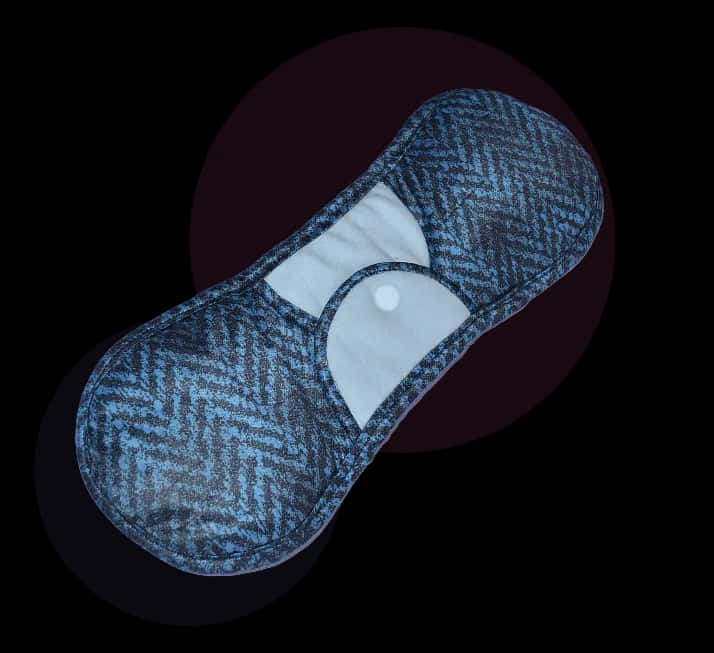
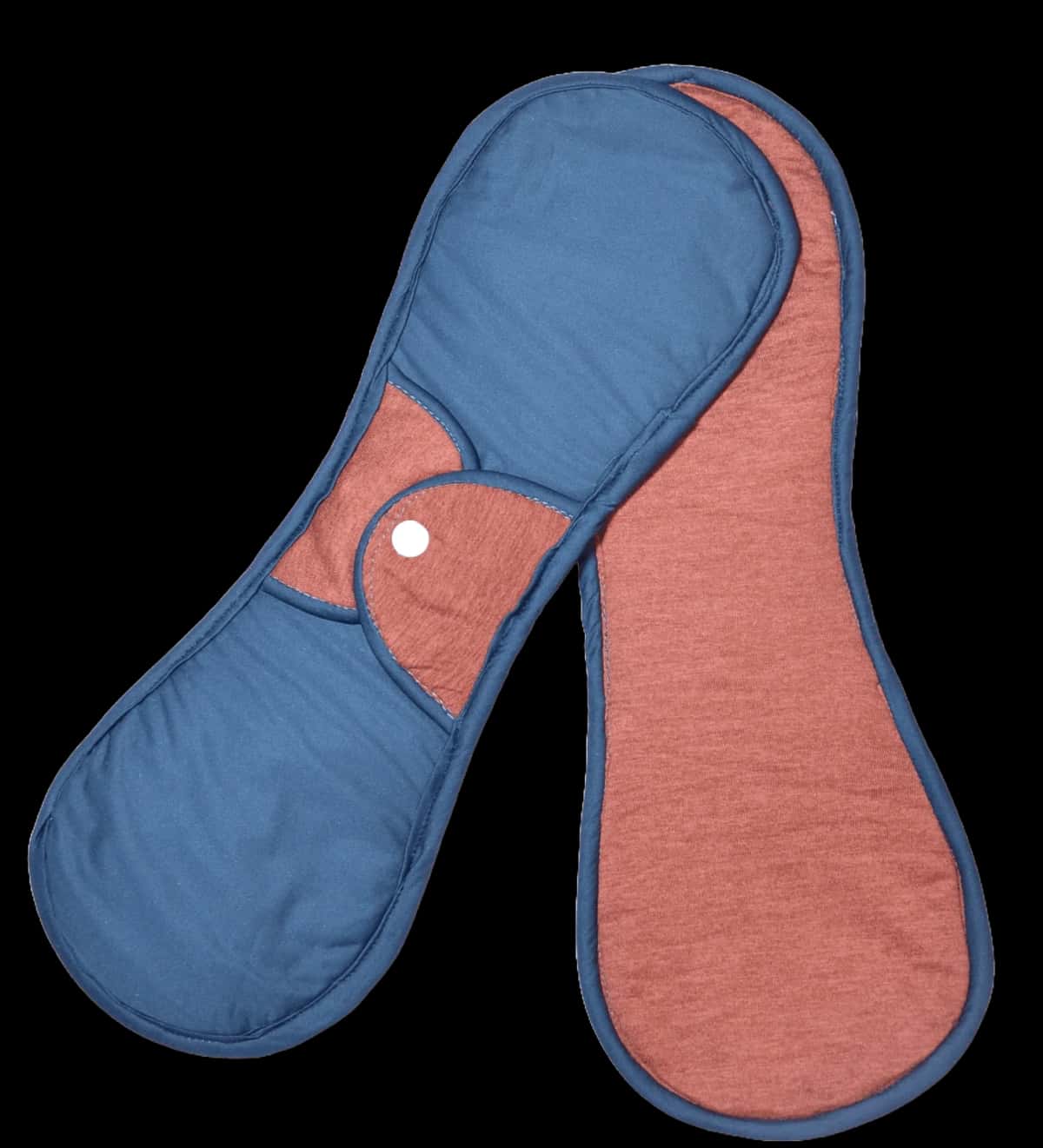
Cloth pad wey you fit wash use again dey look and work almost exactly like disposable pad, but dem make am from layers of cloth wey you fit wash instead of plastic and paper. You go wear am for your underwear, and wings wey dey snap around di middle part go hold am.
Good quality pads wey you fit wash use again get many layers, and each one get work. Think am like to make sandwich: di bottom layer (di barrier wey no dey leak) na your plate, di absorbent layers for middle na di filling wey dey soak moisture, and di top layer (wey dey touch your skin) be like soft napkin wey dey keep you comfortable. Sana Pads, for example, dey use dis layer system with different thickness for light, normal and heavy flow days.
When you need change your pad, you go just unsnap am, fold am with di dirty side inside, and put am inside wet bag or container until you fit wash am. You go rinse am for cold water to remove blood, then wash am with normal laundry soap and hang am make e dry for sun. Our Nigerian sun dey naturally sanitise di cloth and remove stains.
One pad wey you fit wash use again fit last 2-3 years if you take care of am well, so set of 6-8 pads go serve you for plenty cycles. You no need learn anything new if you don use disposable pads before. Di routine na di same, only say you go wash instead of to throw away.
Main Differences for Everyday Use
Di practical differences between cup and pad dey show clear pass for your daily routine. With menstrual cup, you need clean water and privacy to put am and remove am. For plenty Nigerian homes, schools and workplaces, dis one mean say you go wait until you reach house before you change am. If you dey work for market, you dey teach for school wey no get good facilities, or you dey share bathroom with many people, dis one fit cause stress.
Pad wey you fit wash use again need toilet to change, just like disposable pad, but you no need sink for di same room. You fit change your pad for any toilet, fold am, put am inside small wet bag for your handbag, and wash am when you reach house. Dis flexibility matter when you dey inside Lagos traffic, you dey work long shift, or you dey travel from city to city.
Comfort also different well well. Cup dey inside body, so you fit swim, exercise and move freely without anything for outside. But some women dey feel cramp or pressure, especially when dem still dey learn. Pad dey outside, so you dey feel am against your body. Good quality pads wey you fit wash use again like Sana own dey use soft cloth wey dey breathe, wey gentle pass plastic disposables, but you still dey wear something between your legs.
Di culture comfort matter na real and e make sense. Plenty Nigerian women, especially di ones wey never dey have sex, no dey comfortable with products wey dey go inside. Dis one no be ignorance or backwardness. Na preference wey make sense, wey come from how we understand our body, wetin we believe about virginity and modesty, and wetin feel right for each person.
How Di Cost Compare As Time Dey Go
Money matter, especially when you dey plan for school fees, transport, food and family needs. Make we look real numbers for naira to understand wetin each option really cost.
Money Wey You Go Spend First and Cost for First Year
If you dey usually spend ₦600 on one pack of disposable pads and you dey use one pack every cycle, na ₦7,200 every year be dat. For five years, you go spend ₦36,000 on products wey you dey throw away.
Good quality menstrual cup dey cost between ₦8,000 and ₦15,000 for one cup wey go last 5-10 years. Dat one na big money to pay at once. If you dey earn ₦30,000 every month, to spend ₦10,000 at once on period product fit no make sense, even if e go save money for long run. You also need buy backup cup (plenty women dey advise to get two), and dis one go make di money wey you go spend first reach ₦16,000-₦30,000.
Complete set of pads wey you fit wash use again (6-8 pads to rotate for your cycle) cost about di same at first as menstrual cup. One 3-pack of Sana Premium Pads cost ₦4,000. To build full set of 8 pads for your whole cycle (one 3-pack and one 5-pack), you go spend ₦10,000. Dis pads dey last 2-3 years if you take care of dem well.
For your first year, menstrual cup go save you about ₦2,800 compared to disposables (you spend ₦10,000 on di cup compared to ₦7,200 on disposables, so na actually loss for year one). Pads wey you fit wash use again go save you about ₦2,200 for di first year (you spend ₦5,000 on pads compared to ₦7,200 on disposables).
Di real savings dey show for year two to five, when you no dey buy anything new. Both options go pay for themselves, but pads wey you fit wash use again no need big money first.
Costs Wey Dey Hide and Maintenance
Menstrual cup no dey cost much after you buy am. You need small mild soap to clean am, and sometimes you go replace am if e lost or spoil. You go also want pot wey you go use only to boil your cup, but na one-time purchase of about ₦1,500.
Di hidden cost of cup na di learning time. Plenty women dey buy disposable pads as backup for their first few cycles with cup, in case e leak while dem still dey learn how to put am correct. Dis one dey add ₦1,800-₦3,600 to di cost of changing.
Pad wey you fit wash use again get small more cost as time dey go. You need laundry soap to wash, but you already dey buy am for your normal clothes. If you want special stain remover or you prefer to soak am for bucket wey you keep only for period, dat one na extra ₦500-₦1,000 every year. You fit also want wet bags to carry dirty pads when you dey outside (₦800-₦1,500), but small nylon bag fit work fine.
Water cost matter for places where you dey pay for water. To rinse 6-8 pads every cycle dey use about 10-15 liters of water. For most Nigerian houses wey get well or borehole water, dis cost no reach anything. If you dey buy water by jerrycan, add extra ₦100-₦200 every cycle.
Wetin E Mean for Your Money for Long Time
For five years, see how di numbers be for average woman wey dey use one pack of disposables every month:
Disposable pads: ₦36,000 spent, nothing remain.
Menstrual cup: ₦10,000 spent (one cup), e still dey work after five years, e save ₦26,000.
Pad wey you fit wash use again: ₦6,000 spent (one set, wey you replace once for year three), e save ₦30,000.
Dis calculation assume moderate flow and normal use. If your period heavy and you need 2-3 packs of disposables every month, wetin you go save with pads wey you fit wash use again go multiply well well. Woman wey dey spend ₦1,500 every month on disposables go save ₦84,000 for five years if she change to pads wey she fit wash use again.
Di money advantage dey even clear pass for families. If you get three daughters, all di money wey una go save with options wey una fit use again fit pay for school uniforms, textbooks or exam fees. Na why organisations wey dey focus on keeping girls for school dey often share pads wey dem fit wash use again instead of cups.
Hygiene and Health Matter
Both menstrual cup and pad wey you fit wash use again dey safe and healthy when you use dem correct. None of dem dey cause infection or health problem by itself. Di key na to follow correct hygiene for whichever option you choose.
Risk of Infection and How to Prevent Am
Menstrual cup get very small risk of toxic shock syndrome (TSS), wey be rare but serious infection wey bacteria dey cause. TSS dey more common with tampons, but few cases don connect to cup use. Di risk dey increase if you leave cup inside pass 12 hours or you no clean am well between uses.
To reduce di risk, wash your hands well well before you put am and before you remove am, empty your cup at least every 12 hours (more often for heavy days), rinse am with clean water between uses, and sterilise am by boiling for di end of every cycle. Never share your cup with anybody.
Pad wey you fit wash use again no get TSS risk because e dey outside body. Di main worry na bacteria wey fit grow if you no change am often enough or if e stay wet against your skin too long. Change your pad every 4-6 hours for daytime, just like you go do with disposables. No wear dirty pad for di whole night. Always use fresh, clean pad.
Both options need clean water. If you dey live for area where water no dey regular, think about how you go manage di cleaning. You fit store extra water for your period days? You get clean water for work or school? Dis practical things dey affect which option go work for your situation.
How to Wash and Sanitise Am Correct
Menstrual cup easy to clean. During your period, rinse am with clean water every time you empty am. You fit use small mild soap wey no get perfume if you get am. For di end of your cycle, boil di cup for water for 5-10 minutes. Plenty Nigerian women dey keep small pot for dis work only, separate from cooking pots.
If you no get light wey you fit trust to boil water, you fit use di sun. Some women dey boil water for morning when NEPA bring light, then dem keep di hot water for flask for evening sterilisation. Others dey use cold water sterilisation tablets, but dis ones fit cost well well and dem hard to find for Nigeria.
Pad wey you fit wash use again need washing more often but di way simple. Rinse each pad for cold water after you use am to remove blood. Cold water important because hot water dey make blood stain stay. Then wash am with normal laundry soap, with hand or with washing machine if you get one. Scrub am gently make di soap pass through all di layers. Rinse am well until di water clear.
Hang pads make dem dry for direct sunlight. Our Nigerian sun na your best tool to sanitise. UV rays dey naturally kill bacteria and remove stains. Most pads dey dry finish within 4-6 hours for full sun. If you dey dry dem inside house for privacy, make sure say air dey move well so mildew no go grow. Never keep pad wey still wet.
To Sabi Your Body and Comfort
To use menstrual cup dey teach you about your body for ways wey products wey dey outside no dey teach. You go learn how high your cervix dey, how much blood you dey lose, and how your body dey change for your cycle. For some women, dis knowledge dey give power and e get value. For others, e no necessary or e no comfortable.
You need to dey comfortable to put finger inside your vagina, try different positions to place di cup correct, and check say e seal well. If you never use tampons before or you never check your own body, di learning fit be too much for you.
Pad wey you fit wash use again no need anything to go inside. You no go ever touch your vagina or cervix. Dis one make dem correct and comfortable for young girls wey just start their period, women wey dey recover from childbirth, anybody wey get sensitivity or trauma for vagina, and women wey their culture or personal values prefer protection wey dey outside.
Some women dey find cups liberating because dem no dey feel am and e no dey create any feeling for outside. Others dey find di putting and removing stressful or painful, especially for days wey cervix low or when cramp heavy. Both experiences make sense.
Our pads wey you fit wash

Benefits for Environment and Everyday Life
To choose period products wey you fit use again no be only about saving money. Na about reducing waste, making life easier, and getting more freedom during your period.
How to Reduce Waste for Nigerian Communities
Average woman dey use 11,000 disposable pads or tampons for her whole life. For country of 200 million people with about 50 million women wey dey see period, na billions of used pads dey enter our waste system every single year. Dis pads get plastic wey go take 500-800 years to decompose.
For plenty Nigerian communities, waste management don already be wahala. Disposable pads dey pile up for gutters, open dumps and places wey dem dey burn dirt, and dem dey cause danger for environment and health. Dem dey block drainage for rainy season, and dem dey add to flood for cities like Lagos and Port Harcourt.
One menstrual cup dey stop about 2,400 disposable products from entering dumpsite for di 10-year life of di cup. Dat one na about 12 kilograms of waste wey each person remove. One set of pads wey you fit wash use again, wey dey last 2-3 years, dey stop about 400-600 disposable pads from becoming dirt. Dat one na 3-5 kilograms of waste wey each woman reduce.
Multiply dis by thousands of women wey dey change, and di impact on environment go big well well. You no just dey make personal choice. You dey join movement go cleaner communities and healthier world.
Convenience and Freedom to Move
Both options dey increase your independence once you don sabi how to use dem. Supplies no go ever finish for your hand because your products wey you fit use again dey always for house. No more emergency trip to chemist for 10pm or sending your younger brother go buy pads for market.
Menstrual cup dey shine for things like swimming, sports and travel. You fit wear cup go beach for Lagos, exercise for gym, or travel for long bus journey without worry about where to change. Di 12-hour capacity mean say you fit sleep whole night or work full shift without toilet.
Pad wey you fit wash use again get different kind convenience. E easy to manage when toilet situation hard. You fit change quick without sink. You fit wash few pads with hand inside bucket while you dey bath, so dem good for areas where water no plenty. Dem dey dry quick for our weather, so you no go wait days before your products ready.
For women for northern Nigeria where water dey scarce for dry season, you fit wash pads wey you fit use again with small water and dem go dry in hours. Cup need more careful rinsing to prevent smell and bacteria growth. Dis practical difference matter when you dey manage water for house carefully.
Dignity and Power
Something powerful dey for taking control of your period care. You no dey depend on shops to get stock or on whether you get enough cash every month. You no dey hide wetin you buy or dey shame for market. Your solution na your own.
Plenty Nigerian women dey talk say dem dey feel more confident and in control after dem change to options wey dem fit use again. Students fit focus on exams without worry say supplies go finish. Market women fit work full day without fear of leak or say dem must close their stall to go buy pad. Teachers fit stand for front of class with confidence.
Dis dignity reach how you dey throw away too. You no need face di awkward question of where to throw used pads, especially for public toilets wey no get dustbin. You no dey burn pads for your compound or hide dem inside black nylon. You just wash and use again, private routine wey no dey create waste wey other people go see or manage.
For teenage girls, protection wey dem fit trust dey affect school attendance directly. Studies for Africa show say girls dey miss average of 4-5 school days every month because dem no get correct period products. Options wey dem fit use again dey break dis cycle, so girls fit go school every day without fear of leak or shame.
Common Worries and How to Handle Dem
To change to period products wey you fit use again dey bring questions and worries wey make sense. Make we answer di worries wey Nigerian women dey raise pass.
"E No Dirty to Wash Blood Comot from Pad?"
Dis na di biggest worry wey women dey talk about pads wey dem fit wash use again. To think about touching your own period blood dey feel dirty or disgusting for plenty people. Dis feeling real and e make sense. Since we be small pikin dem don teach us say period na shame and period blood dey especially dirty.
See di truth: period blood na just blood wey mix with fluid from vagina and di lining of womb. E no dirty or get contamination pass any other body fluid. E no dey carry special germs (unless you get infection, and for dat case all your body fluids go carry dat germs). You dey touch your own blood when you treat cut, and you dey wash your pant when period blood leak enter am.
To wash pads go become normal quick. You go rinse am for cold water, and watch as di water dey clear. You go wash am with soap, just like you dey wash any other cloth. Soap and water dey cover your hands throughout. You go rinse am well, then dry am for sun wey dey naturally sanitise everything. Di whole process dey take 5-10 minutes every cycle.
Plenty women dey find say dem actually dey feel cleaner with pads wey dem fit wash use again than with disposables. You dey wash di blood comot completely instead of to wrap am for plastic and keep am near your house for hours or days until dem come carry dirt. You dey see how your flow be clearer, and dis one dey help you understand di health of your body. Di regular washing routine dey become way to take care of yourself, private moment to look after your own needs.
If di idea still dey too uncomfortable, start small small. Try use one pad wey you fit wash use again for your lightest day while you still get disposables as backup. See how e be to wash one pad. Most women dey find out say e no hard reach how dem think.
"Di Cup Go Hook Inside Me?"
Dis fear dey stop plenty women from trying menstrual cup. Vagina no be tunnel wey no get end. Na closed space. For di top of your vaginal canal na your cervix, wey get only very small opening. Menstrual cup no fit lost inside your body or travel go anywhere dangerous.
Wetin fit happen, especially when you still dey learn, na say di cup fit go up pass how you expect, and e go hard to reach di stem. Dis one fit make you fear for dat moment. Your vaginal muscles fit also tight because of fear, and e go hard to relax enough to remove di cup.
If dis one happen, take slow breath. Squat down or put one leg up for di toilet seat. Push down with your pelvic muscles like say you dey try to poo. Dis one dey push di cup come down. Once you fit reach di base, pinch am to release di suction, then gently pull am comot. Never pull di stem alone with force, because e fit pain you.
To prevent am easy pass to rescue am. Choose cup wey get longer stem if your cervix high. Cut di stem to length wey comfortable once you know where your cup dey sit naturally. Empty your cup before e full completely and heavy, because dat one fit make am go up. Practice how to remove am many times when you no dey see period so you go sabi di feeling and di movement.
Di body of some women just no dey work well with cups. If you still dey struggle to put am or remove am after you don practice for several cycles, e dey okay to choose another option. Cup no better pass pad. Dem just different.
"Wetin If People See My Pads Wey I Hang to Dry?"
Privacy worry big, especially if you dey live for compound with many family members, you dey share yard with neighbours, or you dey dry clothes for place wey people fit see. Di stigma about period dey make plenty women no comfortable when other people see their period products.
Some practical solutions dey for dis worry. You fit dry pads inside your room near window wey get good air and sunlight wey no direct. UV rays still dey pass through glass, but e go take small more time to dry. You fit hang pads for line behind your clothes, so people no go see dem but air and light still dey reach dem.
Some women dey fold pads into half when dem dey hang dem, so dem no go too look like period products. Others dey dry dem inside net bag wey dem hang for private corner. Still others dey dry dem flat for drying rack wey dem keep inside their room or bathroom.
You fit also make am normal for people to see am. Your sisters, daughters and mama all dey see period. When you see period products as normal house things, like pant or towel, e dey help reduce shame. Plenty families wey change to pads wey dem fit use again together dey talk say di first shyness dey go within weeks.
Remember: anybody wey see your pads go know say you dey see period, wey dem likely don already think. Women na half of di population. Period na normal thing wey body dey do. You no dey do anything shameful when you wash products wey you fit use again, just like you no dey do shame when you wash your pant.
If di place wey you dey live make am really impossible to dry pads without people seeing dem in a way wey you no fit bear, menstrual cup go remove dis worry completely. Dem no need drying time. Dis na one practical thing where cup clearly win for di situation of some women.
Why Sana Pads: Pads Wey You Fit Use Again, Made for Nigeria
For Sana Pads, we understand di period reality of Nigerian women because we dey live am ourselves. We no dey import solutions wey dem design for Europe or America infrastructure. We dey manufacture pads wey you fit wash use again specially for our weather, our water situation, how we dey live, and our culture.
We design our pads to dry quick for tropical sun but to still work for humid rainy season. Di fabric wey we choose still soft even after you wash am with hand for bucket water. Our sizes consider say plenty Nigerian women get fuller body pass di “standard” Western sizes wey most imported products dey assume.
We don support pass 10,000 women directly through our products and programmes, and we don share more than 30,000 pads to students, market women and mothers across Nigeria. We dey partner with schools for Lagos, Abuja, Kano and Port Harcourt to give girls starter kits and teach dem how to manage period with dignity.
Our mission pass just to sell products. We dey work to end period poverty, one pad at a time. When you buy Sana Pads, you dey support local manufacturing jobs, Nigerian business, and company wey dey put profit back to support more women. Every purchase dey help us reach another girl wey dey miss school, another woman wey dey spend di money wey she need for food on disposable pads.
We get three main types to match different flow needs: No Wahala Pads (one layer wey no dey leak plus one absorbent layer) for light days, Premium Pads (one layer wey no dey leak plus three absorbent layers) for normal flow, and Maxi Pads (one layer wey no dey leak plus five absorbent layers) for heavy days. Our Starter Kit get three Premium Pads and storage pouch, wey give you everything wey you need to start your journey with pads wey you fit use again.
We no dey claim say our pads perfect for everybody. Some women go prefer cups. Others go find say disposables still work best for their situation. But for Nigerian women wey dey find option wey cheap, sustainable and fit our culture, wey no need hard learning or big money first, pads wey you fit wash use again na practical solution. And we dey here to support you as you dey change, with honest information and good quality products.
How to Start with Wetin You Choose
You don learn about both options. Now na time to decide which one fit your life and take di first step go period care wey dey more sustainable and cheaper.
For Each Person: How to Choose Your Product
If your mind dey go menstrual cup, start by finding out how high your cervix dey and how much blood you dey lose. Cups get different sizes, and some hard pass others. Cup wey work well for your friend fit no fit your body. Look for Nigerian sellers wey dey give guidance or wey go collect am back if di size no work.
Plan ₦8,000-₦15,000 for your first cup, and plan to use backup pads for your first 2-3 cycles while you dey learn. Choose time to start when you go dey house most of di time, like long weekend or holiday, so you fit practice how to put am and remove am without work pressure.
Watch video tutorials before your period start. Practice how to put am when you no dey see period so you go understand di angles and movement without blood to add stress. Take am easy with yourself. Most women need at least three full cycles to feel confident with cup.
If you dey choose pads wey you fit wash use again, start with Starter Kit instead of buying full set sharp sharp. Use di three pads for lighter days while you still dey use disposables for heavy days. Dis one go let you test whether you like how e feel, whether your washing routine dey work, and whether drying dey possible for where you dey live.
Once you don get confidence, build your collection small small. Add two Maxi Pads for heavy days, then add more Premium or No Wahala Pads for moderate and light days. Aim for 6-8 pads total so you fit rotate comfortably for your whole cycle without washing for middle of period if you prefer to wash all at once.
Keep clean pads inside container or pouch wey air dey pass for your bathroom or bedroom. Keep small wet bag for your handbag to carry dirty pads when you dey outside. Set simple washing routine: rinse after you change, wash every evening or every few days, dry for morning sun.
For Organisations: How to Bring Pads Wey Dem Fit Use Again to Your Community
If you dey manage school, NGO, health programme or community organisation, pads wey dem fit wash use again na sustainable solution for di girls and women wey you dey serve. No be like to share disposables once, if you give girl set of pads wey she fit wash use again, e go support her for years.
Schools, NGOs and other organisations fit order any quantity at di same fixed price per pack. We also dey give education materials wey you fit use teach girls about period health, correct pad care and body confidence.
To do am well need pass just to share pads. Plan sessions to teach girls about washing, drying and storage. Talk about privacy and hygiene worries directly. Check whether your school get correct toilets and private place to change. If e no get, work to improve di facilities together with sharing products.
Partner with local women groups or health educators to give support wey go continue. Girls need to know say dem fit ask questions or talk about their worries after di first sharing. Follow-up sessions after three months and six months dey help solve wahala and remind dem about correct care.
For organisations wey dey serve very conservative communities or groups where products wey dey go inside body no dey acceptable for their culture, pads wey dem fit wash use again na solution wey no go against wetin dem believe about virginity or modesty. Dis one make dem more acceptable pass cups for programmes wey dey share to many people.
Contact our team to discuss wetin your programme need, your timeline and your budget. We go work with you to make sharing plan wey go get di biggest impact and make sure say girls really dey use and benefit from di products wey you dey give.
Make Your Decision with Confidence
To choose between menstrual cup and pad wey you fit wash use again no be about finding di one wey best for everybody. Na about finding wetin work best for your body, your pocket, where you dey live and wetin dey comfortable for you. Both options dey save money compared to disposables. Both dey reduce waste for environment. Both fit increase your freedom and dignity during your period.
Menstrual cup dey last longer for body, e dey hold more, and e no need drying, but you must dey comfortable to put am inside, you need private place to clean am, and you need patience while you dey learn. Pad wey you fit wash use again dey work exactly like di disposables wey you don sabi, you no need learn plenty, and e cost less at first, but you need space to wash and dry am.
Some Nigerian women go enjoy cup well well, especially di ones wey dey swim often, travel often, or live for private house with water wey dem fit trust. Other women go find say pad wey dem fit wash use again change their period experience without di stress of learning completely new product. Others go use both – cup for active days and travel, pad for days wey dem relax for house.
Di important thing na say you dey think about options wey sustainable and cheap wey put you for control. You deserve period products wey work for your real life, no be only for theory. You deserve dignity, comfort and freedom during your period. Whether e come from cup or pad depend completely on you. For more information about sustainable menstrual products and how dem compare with disposable options, visit our complete guide on menstrual products.
Continue to read for Period Products Wey Good for Environment
Questions wey pipo dey ask well well
Why I go choose Sana Pads instead of normal disposable pads?
Dem make Sana Pads from high-quality materials wey you fit use again, so dem be sustainable and eco-friendly alternative to disposable sanitary products. Dem gentle for your skin, dem dey absorb well well, and dem go save you money for long run. When you choose Sana Pads, you dey help reduce plastic waste, and you go enjoy comfort and protection wey you fit trust for your whole cycle.
How long I fit use Sana Pad before I need wash am?
Sana Pad dey give you comfort and protection for 4 to 8 hours, depending on your flow. To stay fresh, change am every 4 to 6 hours - more often for heavy days. After every use, rinse am for cold water and wash am with soap. If you take care of am well, each pad go last 2 to 3 years.
Sana Pads safe for sensitive skin?
Yes, dem make Sana Pads from soft, breathable and hypoallergenic materials, so dem gentle for your skin. Dem no get di harmful chemicals and toxins wey dey common for disposable pads, so dem be correct choice for people wey get sensitive skin or allergies.
How I go clean and take care of my Sana Pads?
Rinse your pad for cold water sharp sharp - hot water dey make blood stain stay. Then wash am with mild soap, with hand or for machine, and rinse until di water clear. Dry am well well for direct sunlight, wey also dey kill germs. Abeg no use tumble dryer, bleach or fabric softener: dem dey spoil di absorbent layers. If you take care of am like dis, Sana Pad go last 2 to 3 years.
Price go change if I order plenty?
No. Every product get fixed price per pack, no matter how many packs you order. You fit calculate your total with our price calculator. For big orders, send us direct message and we go confirm di delivery cost with you before you pay.
Testimonials
See wetin our customers dey talk about our products.
Women for all over di world dey buy Sana

“Sana Pad good well-well, e dey make you comfortable and free. I love the pads, na the best ever!”

“I don try different brands of reusable pad, but Sana stand out for the quality, the comfort and how e dey last. Dem design am with sense, and the material dey gentle for my skin. As I change to Sana, e don reduce how I dey spoil environment and e don also save me money for long run. I dey grateful for dis solution wey go last!”

“For first, e dey irritate me to use washable sanitary pad. I decide to try am, and to my greatest surprise, e comfortable well-well and e easy to wash. You fit even do your daily things without fear say blood go stain you for public. I wan give Big shout out to SANA PADS!!”

“I dey really love Sana reusable pads! Dem dey make me relax and feel free for my period time. Plus, dem don reduce the cost and stress of buying disposable pads every month well-well. Kudos to Sana for making dis kind correct product – I go be fan forever!”

“To dey buy disposable pads every month dey add up well-well, so I talk say make I try Sana Pads. E surprise me how soft dem be, and dem dey work well for long days for university. To wash dem simple, and e don reach months wey I never buy new pad, so e don save me money. I also like say dem dey better for environment. E sweet me say I get option wey cheap and wey better for environment.”

“I don try different pad brands for years, but Sana pads really stand out. From the first time I use am, I see the difference — e soft for skin, e dey soak well-well, and e comfortable die. Even for my heaviest flow days, Sana pads dey hold well. Wetin I also love na how the material dey allow air pass and e good for skin. If you dey find pad wey get comfort, wey you fit trust, and wey get quality, I really recommend make you try Sana pads.”
Time to join hand
Contact Us
Margaret Ochegbudu
Business Manager