Menstrual Waste Management: Full Guide for Nigerian Women
Where pipo don see us







 Margaret Ochegbudu don check am · Update 14 min to read
Menstrual waste management for Nigeria: how to throw away disposable pads safe, wetin to do where nobody dey come pack dirt, and how pads wey you fit wash use again dey reduce waste for house and for school. No ever flush pad for toilet; where dem dey pack dirt, wrap am and put am for bin, and where dem no dey pack, bury am deep, far from water.
Make You Understand Menstrual Waste Management: Wetin You Need Sabi
Menstrual waste management mean how to collect, throw away, or clean di things wey you use during period, in a safe way. E include disposable pads, tampons, cloths, and how to wash di products wey you dey use again. For Nigeria, where WASH infrastructure still small for many communities, to manage am well na priority for your own health and for everybody health.
Di Main Points:
- Nigerian women dey produce about 120,000 tons of period waste every year from disposable products alone.
- When pipo no throw am away well, e dey block gutter and e dey cause flood for cities like Lagos and Port Harcourt.
- One disposable pad dey take 500-800 years to rot for dumpsite, and e dey release poison chemicals.
- Period products wey you fit use again dey reduce waste by 99% and dem cost 70-85% less than disposable over two years.
- Safe menstrual waste management dey stop disease from spreading and e dey reduce stigma for schools and workplaces.
- For Nigeria, only 15% of schools get correct facilities to throw away period waste, according to UNICEF data.
- When you change to quality pads wey you fit wash use again, disposal wahala go finish, and your family go save money every month.
Make we look exactly how to manage period waste safe, whether you dey use disposable or di ones wey you fit use again, and why dis one matter for every Nigerian woman.
Hauwa sit down for di edge of her bed for Kaduna, dey look di disposable pad wey she wrap for her hand. Dat morning she don waka almost one kilometer dey find place to throw am away well. Di general bin for her compound don full dey overflow. Di gutter behind her house don already block with di same kind waste from other pipo wey dey live there. She no fit burn am – di smoke go make neighbours dey look and dey ask question. She feel stuck, shame catch her, and she vex. Like millions of Nigerian women, Hauwa dey face dis wahala every month. We no dey really talk about wetin happen after we use period products, but when pipo no throw dem away well, e dey bring serious health danger, e dey spoil environment, and e dey keep di shame wey dey around period. To understand correct menstrual waste management dey protect your health, your community, and Nigeria environment.
Safe Ways to Throw Away Different Period Products
Di correct way to throw am away depend on di type of product wey you dey use, where you dey, and di facilities wey dey. See how to handle each situation safe.
How to Throw Away Disposable Pads and Tampons
If you dey use disposable products, to wrap am well and throw am away correct dey protect both di pipo wey dey clean waste and di environment. First, wrap di used pad finish inside newspaper, di wrapper from your new pad, or small paper bag. Dis one go hold di fluid and make am one package wey nobody go notice.
No ever flush pads or tampons for toilet. No matter wetin some packets talk, dis products dey block pipe and cause plumbing wahala wey cost plenty money. For Nigerian houses where septic tank common, to flush period products fit spoil di whole system, and to repair am fit cost ₦50,000 to ₦200,000.
Put di wrapped pads inside bin wey get nylon inside and lid wey close well. Empty dis bin every day into your house waste. If you dey area where dem dey come pack dirt, dem go carry dis waste with di normal dirt. For communities wey no get waste collection, work with your neighbours to set up one general place to throw am, or arrange make pipo dey come carry di waste from time to time.
How to Manage Pads Wey You Fit Wash Use Again and Period Cloths
Products wey you fit use again dey remove disposal wahala, but you must wash and dry dem well. Rinse used pads for cold water immediately after you remove dem, so di stain no go stay. You fit do am over bucket, toilet, or bathroom drain – anywhere wey get privacy.
Keep di rinsed pads inside small wet bag or container wey get cover until you ready to wash dem well. Dis one dey stop bad smell and e go keep dem separate from other clothes. Wash pads wey you fit use again with normal detergent for warm or hot water. You fit wash with hand or machine – both dey work well.
Hang dem dry for direct sun when you fit, because sunlight dey kill germs and dey clear stain naturally. Where you no get privacy to dry outside, hang di pads inside house for drying rack or line. Dem dey dry finish inside 24 hours for Nigeria warm weather.
Wetin Schools and Workplaces Fit Do
Places like schools and offices need waste management system wey get arrangement. Schools suppose provide bin wey get nylon and lid inside every toilet, staff wey get training to carry di waste every day with gloves, and private place where girls fit change pad without anybody dey look.
Workplaces go benefit from di same arrangement. Some Nigerian companies wey dey move with time now dey give free period products and professional disposal service, because dem sabi say na health matter for work. For organisations wey dey think about environment, to change to products wey you fit use again dey reduce waste well well. Some Nigerian schools now dey share pads wey you fit wash use again to students, and dis one dey remove disposal wahala and save money for long run.
Di Benefits of Better Menstrual Waste Management
When we improve how we dey handle period waste, di good results dey spread reach health, money, and environment. Dis benefits pass one woman, dem reach whole communities.
Money Wey Families and Organisations Go Save
Pipo wey dey use disposable pads dey spend ₦1,000 to ₦2,500 every month for period products. For one year, e reach ₦12,000 to ₦30,000 – big money for most Nigerian families. Schools wey dey give students free disposable dey get expenses wey no dey finish, wey dey press their budget.
Pads wey you fit wash use again need money first, but dem dey last two to three years if you take care of dem well. Dis one dey reduce wetin you go spend on period products for your whole life by 70-85%. For organisations, to buy quality pads wey you fit use again for bulk na one-time expense, no be cost wey go dey repeat forever. Di saving pass di price of di pads. Correct waste management dey reduce plumbing repair, dey prevent gutter block wey dey cause flood damage, and dey reduce health problems wey dey bring hospital bills.
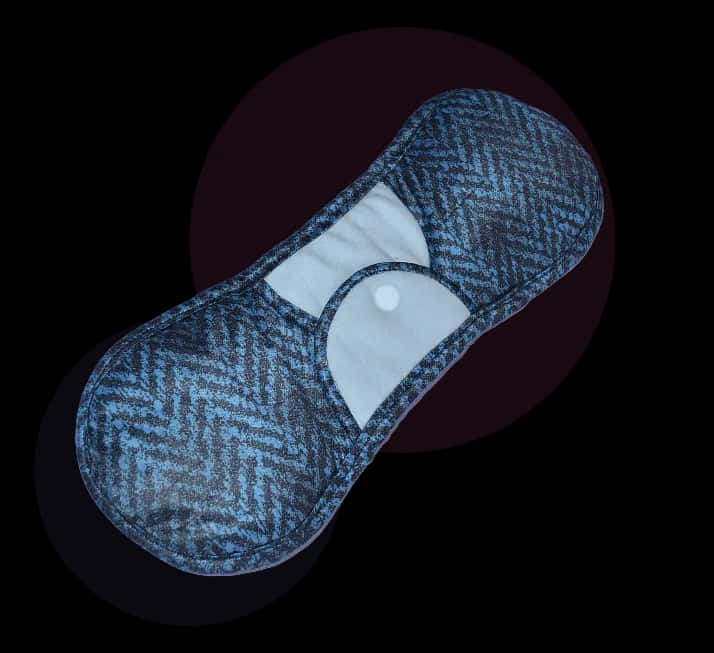
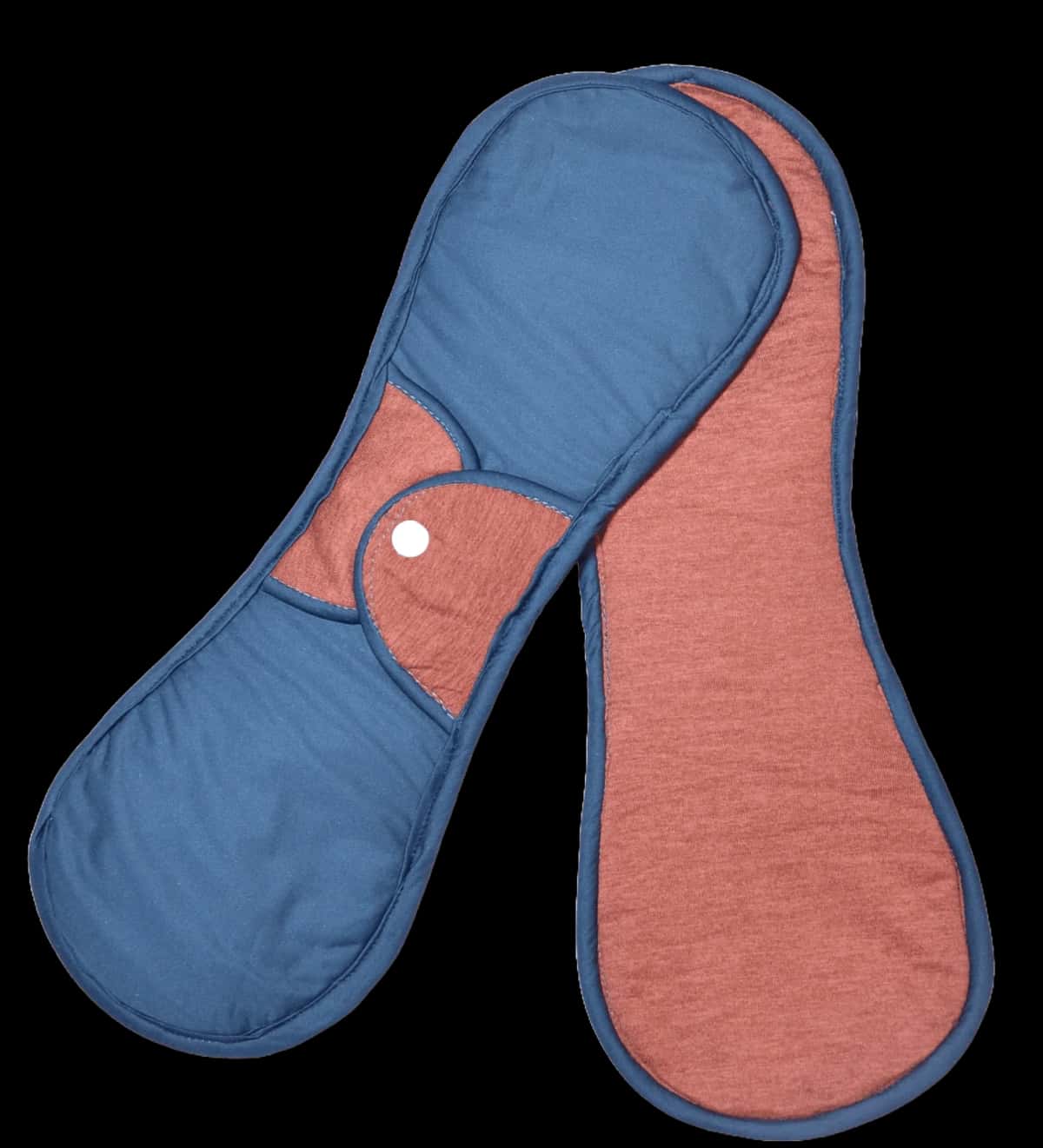
Our pads wey you fit wash

Better Health and Dignity
When women get clean, private place to manage period, their health go better. Less stress about where to throw am mean better mental health. Correct sanitation dey reduce risk of infection from waste. Schools wey get correct facilities dey see more girls wey dey see period come school.
When safe way to throw am away dey, e dey reduce di shame and secret wey dey around period. When we fit manage period with dignity, e go become normal health matter, no be hidden load. Communities wey dey talk about menstrual waste management openly dey make space for education about period health in general. Parents go dey comfortable to talk with their daughters. Teachers fit answer questions without shame.
To Protect Environment for Di Future
To reduce period waste dey protect Nigeria environment for di pikin wey go come after us. Less plastic for dumpsite mean less chemical wey go enter underground water. Clean gutter dey prevent flood and disease wey water dey carry. When pipo no dey burn period waste again, di air go clean pass.
Nigerian women wey choose products wey dem fit use again dey help fight climate change and reduce waste for big level. Dis one matter for country wey already dey face environment wahala like cutting of trees, desert wey dey spread, and pollution. To support local pipo wey dey make products wey you fit use again dey create green jobs and build industries wey go last.
Di Worries Pipo Get About Menstrual Waste Management
Many women get questions and worry about how to manage period waste, especially when dem dey think about new way. Make we answer di worries wey common pass, direct.
"E Be Like Say To Wash Pad Wey You Fit Use Again No Clean"
Dis worry make sense, but e come from wrong idea about cleanliness. Blood na body fluid wey we dey handle safe for many situations – to wash cut, to handle nose bleeding, to clean pikin. Period blood need di same basic hygiene.
Di main thing na to rinse pads quick for cold water to comot di blood, then wash with detergent and hot water. Dis process dey remove bacteria and germs well. Research show say pads wey you fit use again wey dem wash well clean like disposable products.
Think am like dis: we dey wash pant wey touch our body whole day, and nobody dey talk say e no clean. Pads wey you fit use again dey get better wash pass most clothes. Normal hygiene – to wash hand after you touch am, to use soap and water – dey give enough protection.
"I No Get Private Place to Wash or Dry Pads"
To live for shared house, house wey plenty generations dey, or area wey no get private place to wash, dey bring real wahala. But practical solutions dey. To wash, rinse di pads quick for bathroom over di toilet or inside bucket, then keep dem inside small waterproof bag until you fit wash dem well.
Many women dey wash pads wey dem fit use again together with pant and other personal things – nothing go look strange to anybody wey dey look. To dry am, fold di wet pads inside towel or put dem among other clothes where dem go dry and nobody go notice. For Nigerian compounds where everybody dey share outside drying place, dis way dey keep your privacy.
Di drying wahala also depend on how dem design di product. Pads wey you fit use again wey get good design and slim shape dey dry faster pass di thick ones, so to dry dem inside house quietly easy pass. For Nigeria warm weather, even to dry inside house dey work well.
"Places to Throw Am No Plenty for My Area"
Many Nigerian communities no get correct waste collection, so to throw away any waste dey hard. For period waste, dis one join with stigma to bring real wahala.
Start by asking for better services. Talk with local government officials, community leaders, or di pipo wey dey manage your compound make dem arrange regular waste collection or general place to throw waste. When plenty pipo raise di matter, change dey come easier.
For now, wrap disposable products well well and throw dem away with your house waste. Better still, think about changing to products wey you fit use again, wey go remove disposal matter finish. Dis one go give you control no matter di infrastructure for your community. For young women wey dey live with parents or guardians, to talk about menstrual waste management fit dey uncomfortable, but many times e dey help una find solution together.
Why Sana Pads Dey Handle Menstrual Waste Management
For Sana Pads, we see say menstrual waste management wahala dey stop many Nigerian women from managing their period with dignity. Na dis one push us to make solutions wey you fit use again, wey we design specially for Nigerian needs and condition.
Our products dey remove 99% of period waste. One set of pads wey you fit use again dey replace hundreds of disposable for di time wey dem go last, and dis one dey reduce di waste load for Nigerian communities well well. For schools and organisations, dis one mean no more bin wey dey overflow or wahala to arrange how to throw waste.
Since we start, we don support more than 10,000 women directly and share more than 30,000 pads across Nigeria. Each pad mean waste wey we stop, money wey pipo save, and dignity wey come back. We dey always hear from pipo wey dey use am say dem feel relief because dem no dey struggle with disposal wahala again.
As Nigerian manufacturer, we sabi di local wahala – small water, shared living space, hot humid weather wey need pad wey dey dry quick, and di need for solutions wey nobody go notice. We design products wey dey work for real Nigerian condition, no be for perfect Western situation. Our mission pass to sell products. We dey work to end period poverty and build Nigeria where period no go ever stop education, work, or how woman dey take full part for life.
How to Start Better Waste Management
You fit improve how you dey manage period waste today, no matter your situation now. See how to start.
For You and Your Own Use
If you dey use disposable products now and you want reduce waste, start by calculating how your waste dey affect environment. Multiply di number of pads wey you dey use every month by 12 months, then by di years wey you don dey see period. Na dat number of pads dey sit for dumpsite, and dem go take hundreds of years to rot.
Think about changing to pads wey you fit wash use again small small. Our Starter Kit get three Premium Pads plus pouch to keep dem – e reach to try dem for one full cycle. Premium Pads get one layer wey no dey leak plus three layers wey dey absorb, and dem dey handle normal flow well. For light days, No Wahala Pads (one layer wey no dey leak plus one layer wey dey absorb) dey work perfect. For heavy flow, Maxi Pads (one layer wey no dey leak plus five layers wey dey absorb) dey give maximum protection.
For di beginning, you fit mix disposable and di ones wey you fit use again. Use di ones wey you fit use again for house where e easy to wash, and disposable when you no dey house. Dis one go reduce waste while you dey build confidence with pads wey you fit use again.
Wetin Organisations and Community Leaders Fit Do
Schools, NGOs, health centres, and women groups fit make big impact if dem handle menstrual waste management step by step. Start with assessment: which facilities dey now, where di gap dey, and wetin di pipo wey dey use am need pass?
Sana Pads dey supply schools, NGOs and community programmes of any size for di same fixed price per pack. To buy pads wey you fit use again for students or programme participants dey remove disposal wahala wey no dey finish, and e dey give period solution wey go last.
To do am well need more than to share products. Give education on how to wash and take care of di pads, make sure say correct place to wash and privacy dey, and create environment where pipo fit ask question freely. Many Nigerian schools don successfully add pads wey you fit use again to their health programmes.
Make We Move Forward Together
Menstrual waste management no be fine topic, but e dey very important. To throw am away correct dey protect health and environment. Products wey you fit use again dey remove waste and save money. Open talk dey reduce stigma and bring solutions.
Every Nigerian woman deserve to manage her period with dignity, without worry about where her used pad go go. Every girl deserve school wey get correct facilities. Every community deserve clean gutter and healthy environment.
Whether you be woman wey dey find better solution for yourself, mother wey want help your daughter, teacher wey want support students, or leader wey dey plan programmes, you get power to improve menstrual waste management. Start with one change – correct way to throw am away, to try products wey you fit use again, or to ask for better facilities.
Sana Pads dey here to support your journey to period management wey go last and wey get dignity. Our pads wey you fit use again dey remove disposal wahala and dem dey give protection wey you fit trust, wey we design for Nigerian women. Sabi more about how to choose di correct period products for your needs, and join thousands of Nigerian women wey don find freedom from products wey dey burden both pocket and environment.
Continue to read for Period Products Wey Good for Environment
Questions wey pipo dey ask well well
Why I go choose Sana Pads instead of normal disposable pads?
Sana Pads dey made from high-quality materials wey you fit use again, so dem be option wey go last and wey good for environment, instead of disposable pads. Dem soft for your skin, dem dey absorb well well, and dem dey save you money for long run. When you choose Sana Pads, you dey help reduce plastic waste, and you go enjoy comfort and pads wey you fit trust throughout your cycle.
How long I fit use Sana Pad before I need wash am?
Sana Pad dey give you comfort and protection for 4 to 8 hours, depending on your flow. To stay fresh, change am every 4 to 6 hours - more often for heavy days. After every use, rinse am for cold water and wash am with soap. If you take care of am well, each pad dey last 2 to 3 years.
Sana Pads safe for sensitive skin?
Yes, Sana Pads dey made from soft materials wey air fit pass, wey no dey cause allergy, so dem gentle for your skin. Dem no get di dangerous chemicals and toxins wey disposable pads dey usually get, so dem be good choice for pipo wey get sensitive skin or allergy.
How I go clean and take care of my Sana Pads?
Rinse your pad for cold water immediately - hot water dey make blood stain stay. Then wash am with mild soap, with hand or for machine, and rinse until di water clear. Dry am finish for direct sun, wey also dey kill germs. Abeg no use tumble dryer, bleach or fabric softener: dem dey spoil di layers wey dey absorb. If you take care of am like dis, Sana Pad dey last 2 to 3 years.
Di price dey change for bigger orders?
No. Every product get one fixed price per pack, no matter how many packs you order. You fit calculate your total with our price calculator. For big orders, send us direct message and we go confirm di delivery cost with you before you pay.
Testimonials
See wetin our customers dey talk about our products.
Women for all over di world dey buy Sana

“Sana Pad good well-well, e dey make you comfortable and free. I love the pads, na the best ever!”

“I don try different brands of reusable pad, but Sana stand out for the quality, the comfort and how e dey last. Dem design am with sense, and the material dey gentle for my skin. As I change to Sana, e don reduce how I dey spoil environment and e don also save me money for long run. I dey grateful for dis solution wey go last!”

“For first, e dey irritate me to use washable sanitary pad. I decide to try am, and to my greatest surprise, e comfortable well-well and e easy to wash. You fit even do your daily things without fear say blood go stain you for public. I wan give Big shout out to SANA PADS!!”

“I dey really love Sana reusable pads! Dem dey make me relax and feel free for my period time. Plus, dem don reduce the cost and stress of buying disposable pads every month well-well. Kudos to Sana for making dis kind correct product – I go be fan forever!”

“To dey buy disposable pads every month dey add up well-well, so I talk say make I try Sana Pads. E surprise me how soft dem be, and dem dey work well for long days for university. To wash dem simple, and e don reach months wey I never buy new pad, so e don save me money. I also like say dem dey better for environment. E sweet me say I get option wey cheap and wey better for environment.”

“I don try different pad brands for years, but Sana pads really stand out. From the first time I use am, I see the difference — e soft for skin, e dey soak well-well, and e comfortable die. Even for my heaviest flow days, Sana pads dey hold well. Wetin I also love na how the material dey allow air pass and e good for skin. If you dey find pad wey get comfort, wey you fit trust, and wey get quality, I really recommend make you try Sana pads.”
Time to join hand
Contact Us
Margaret Ochegbudu
Business Manager